

![Male Singer-Songwriters of the 2000s: Popular Song Ranking [2026]](https://i.ytimg.com/vi_webp/AGYJ6jeu3p8/maxresdefault.webp)

Around this time of year, acoustic-style singer-songwriters start to draw attention again.
It may also have been around this period that the image of singer-songwriters as refreshing began to take hold.
Here’s a ranking of popular songs by male singer-songwriters from the 2000s.
- 2000s: A Collection of Hit Karaoke Classics
- 1990s Male Singer-Songwriters: Popular Song Rankings [2026]
- Ballad songs that were hits in the 2000s
- Male Singer-Songwriters’ Anime Songs: Popular Tracks Ranking [2026]
- All big hits! A roundup of classic J‑Pop songs that were popular in 2000
- Love songs that were hits in the 2000s. Classic and popular Japanese songs.
- Iconic songs by Japanese rock bands from the 2000s [J-Rock]
- Best Songs and Popular Tracks by Male Singer-Songwriters: 2026 Rankings
- Heart-wrenching Japanese hit songs from the 2000s. Songs that make you cry.
- Top Male Singer-Songwriter Hits of the 1980s: Ranking [2026]
- Ranking of Popular Songs by Japanese Male Singers from the 1990s [2026]
- 【2026】Recommended Enka by Male Singers with Captivating High Notes
- Ranking of Popular Band Songs Among People in Their 20s [2026]
Male Singer-Songwriters of the 2000s: Popular Song Rankings [2026] (1–10)
SakurazakaFukuyama Masaharu1rank/position

This ballad delicately portrays the bittersweet emotions of carrying heartbreak while praying for the other person’s happiness.
It holds unwavering love for a ended romance and hopes for the future, and the protagonist’s forward-looking resolve amid sorrow is deeply moving.
Crafted by Masaharu Fukuyama and released in April 2000, the song was used as the theme for the TV show U-nan no Hontoko!’s segment ‘Mirai Nikki V,’ and it sold a cumulative 2,299,000 copies.
Inspired by a real location in Ota Ward, Tokyo, it also became a talking point as many people visited the site at the time.
It’s perfect for nights when you want to look back on past love and sink into nostalgia, or when you wish quietly for someone dear to be happy.
Wrapped in the song’s gentle melody, this masterpiece is one you’ll want to hear as you slowly face your memories.
Close your eyesHirai Ken2rank/position

This work sings of the grief of suddenly losing a loved one and the love that still refuses to fade.
Released in 2004, the song was written as the theme for the film “Crying Out Love, in the Center of the World” and topped the Oricon year-end singles chart.
Close your eyes and the smile, tears, and warmth of that precious person surface.
The bittersweet feelings—sensing loss in everyday life and cherishing even that pain—are delicately expressed through Ken Hirai’s rich vocals.
Singing of the resolve to live while holding onto feelings that never fade with time, this piece is sure to resonate with anyone who has experienced parting from someone dear.
White LoversKuwata Keisuke3rank/position

A heartwarming ballad that delicately paints a winter scene, transforming the bittersweet memory of a lost love into a feeling of blessing.
While looking back on a past romance, it carries a hopeful message about cherishing the love that was there, resonating with Keisuke Kuwata’s warm, soulful vocals.
Released in October 2001 as his seventh single, this gem won the Gold Prize at the 43rd Japan Record Awards that year.
It was also featured in Coca-Cola’s “No Reason” campaign commercial and became beloved across generations.
I wonder if it will be sunny tomorrow.Kuwata Keisuke4rank/position

The sweeping ensemble of grand piano and strings stirs the heart, doesn’t it? This piece was released in May 2007 as singer-songwriter Keisuke Kuwata’s first solo single in about five years—he’s also known as the frontman of Southern All Stars.
It was used as the theme song for the TV drama “Operation Love,” so many people may remember it.
While lamenting the past, its lyrical words entrust a modest hope to the future, resonating deeply as they ride on Kuwata’s characteristically expressive melody.
When life brings you to a halt, this song gently nudges you forward and gives you a small courage to face tomorrow.
It’s a warm, timeless ballad that stands as a milestone in J-pop history.
Tomorrow will surely be a good day.Takahashi Yuu5rank/position
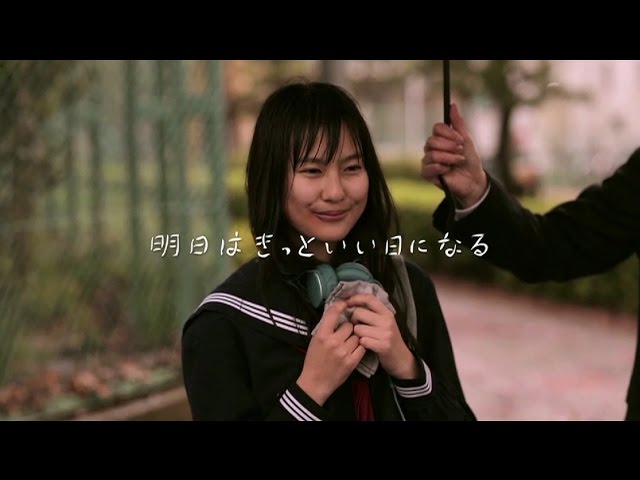
A shining talent in the singer-songwriter scene, Yu Takahashi.
Hailing from Akita Prefecture, he made his major debut in 2010.
This work gained attention as the song featured in the Daihatsu “Cast Activa” commercial.
It’s characterized by the warm tones of an acoustic guitar and lyrics that resonate with the heart.
While carefully depicting small everyday moments and emotions, it delivers a message full of hope.
It’s a recommended track for anyone seeking the courage to overcome difficulties and a positive outlook toward tomorrow.
BoyhoodInoue Yosui6rank/position

Singer-songwriter Yosui Inoue has led the folk and New Music scenes since the 1970s, captivating fans with his distinctive personality and voice.
This work is his 29th single, released in September 1990, and was used as the theme song for a film of the same name.
Its melody and arrangement—blending wistfulness with a sense of floating—surely evoke memories of summers from childhood.
Featured in middle and high school textbooks and achieving million-seller status in 1997, it stands as one of Inoue’s signature pieces.
It’s a recommended number for times when you want to soothe a tired heart or bask in nostalgic summer memories.
loveHoshino Gen7rank/position
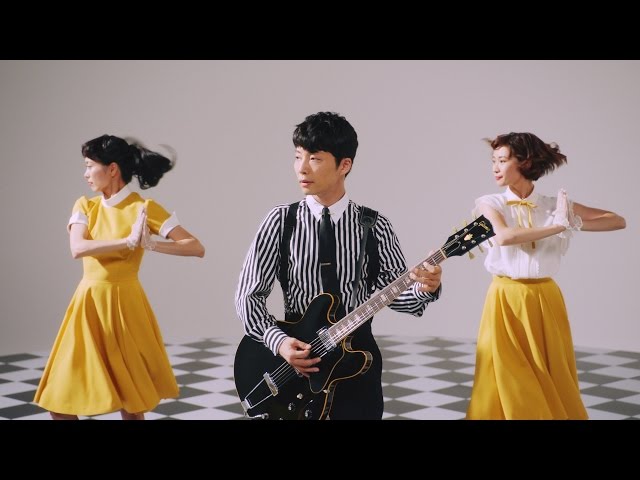
Gen Hoshino’s ninth single, released in 2016, became a social phenomenon as the theme song for the drama “We Married as a Job!” (Nigeru wa Haji da ga Yaku ni Tatsu).
Its up-tempo sound fuses soul and funk, highlighted by a colorful array of instruments including the erhu and strings.
The lyrics carefully depict the joy of returning to a loved one in the midst of everyday life and the preciousness of being by their side, giving a warm push to the couple’s new beginning.
Topping the Billboard Japan Hot 100 for 11 weeks, the song—together with choreographer MIKIKO’s “Koi Dance”—has remained a beloved staple for livening up wedding receptions.
It’s a perfect fit for entrance scenes and performances, a bright, uplifting track that sets a positive tone.