

![Alice's Popular Song Rankings [2026]](https://i.ytimg.com/vi_webp/9jY9XwgeukM/maxresdefault.webp)

Alice, who produced hits in the 1970s and played a leading role as a standard-bearer of the folk/new music movement, went on hiatus in 1981 at the height of their popularity.
Their equal twin-vocal style offered beautiful harmonies.
Shinji Tanimura and Takao Horiuchi have continued to thrive as solo artists since then.
- Shinji Tanimura’s Popular Song Rankings [2026]
- Ali's Popular Songs Ranking [2026]
- Popular Tearjerker Song Rankings [2026]
- Saddest Songs Ranking [2026]
- Anne Lewis Popular Song Rankings [2026]
- Ranking of Popular Japanese Music and J-POP Artists Among People in Their 60s [2026]
- Yumi Arai Popular Song Rankings [2026]
- Mariya Takeuchi’s Most Popular Songs Ranking [2026]
- Popular Depressive Songs Ranking [2026]
- Ryuichi Sakamoto Popular Song Ranking [2026]
- AI Christmas Song - Popular Hits Ranking [2026]
- Arai Yumi’s Most Popular Karaoke Songs Ranking [2026]
- Shigeru Izumiya Popular Songs Ranking [2026]
Alice’s Most Popular Songs Ranking [2026] (1–10)
ChampionArisu1rank/position

A dramatic rock ballad that really resonates with men in their 50s.
It’s also said to be surprisingly easy to score well on in karaoke.
The overall vocal range is D3 to G#4, which is basically on the lower side, so if you sing calmly you shouldn’t rush the tempo and it should be easy to sing.
In the chorus, all three members of Alice sing in harmony at once, so you’ll need to firmly confirm the main melody.
To sing with a rich, rugged tone, try resonating fully in your mouth and imagine projecting a beam from your whole mouth—this will give your voice more depth.
Opening your mouth vertically may also help.
Give it a try and sing it with your best voice!

Winter LightningArisu2rank/position

Alice, who colored Japan’s music scene with their unique fusion of folk and rock, released a single in October 1977 that’s an energetic number whose intro—starting with a striking guitar riff—instantly amps up the listener’s excitement.
The lyrics evoke the piercing chill of winter, intertwining with Shinji Tanimura’s powerful vocals to dramatize intense emotional turbulence.
Reaching No.
8 on the Oricon charts and cementing their breakthrough, the song was also used in TV dramas and films at the time, and is included on the classic album ALICE VI.
It’s a perfect anthem to belt out at karaoke to get the crowd going, or to warm your spirits on a cold winter’s day—be sure to give this masterpiece a listen.
While listening to a distant train whistleArisu3rank/position
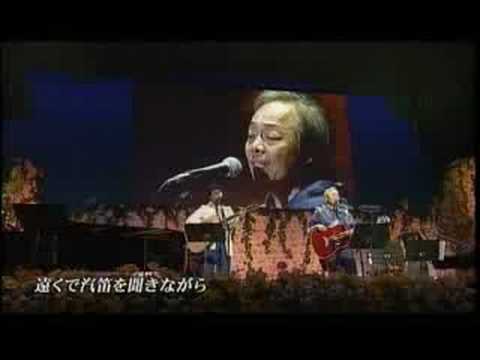
It’s a timeless classic that still holds a special place as a defining song of the 1970s folk-rock scene.
From the intro through the first verse, it uses a textbook canon progression; the slash chords create a stepwise descending bass line that poignantly colors the imagery of departures and farewells.
While looking back on days when nothing seemed to go right, the protagonist’s struggle to move forward with a renewed resolve toward music overlaps beautifully with the cyclical nature of the canon progression, leaving a lingering, profound afterglow.
Released in September 1976 as a single cut from the album “ALICE V.” It’s a song that gently gives you a push when you feel lost in the pursuit of your dreams.
Autumn Full StopArisu4rank/position

Alice’s hidden gem “Akishifu” (“Autumn Stop”).
While it’s somewhat less known among the many hit numbers they’ve produced, its superb craftsmanship has kept it beloved by many fans even today.
The song is characterized by a vocal line with strong kayōkyoku (Japanese pop) elements.
Because it features many phrases close to enka, it’s an especially singable piece for men in their late 50s who experienced the transition from enka to kayōkyoku in their childhood.
Another nice point is that parts of it don’t require much vocal power.

Johnny’s LullabyArisu5rank/position
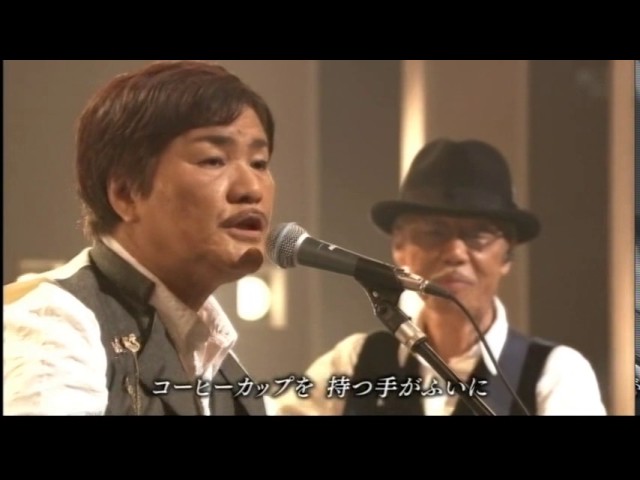
This is “Johnny’s Lullaby,” a popular song by Alice, a folk band that was active in the 1970s—the heyday of youth for people now in their 60s.
The refreshing melody of the acoustic guitar brings back the vivid freshness of those younger days.
The harmonies of the two frontmen are pleasing to the ear and evoke a sense of nostalgia.
Among Alice’s many classics, this one—lyrics included—perfectly fits memories of youth, so it’s a song I’d love to see you sing at karaoke when you get together with classmates from back then.

Days of No ReturnArisu6rank/position

Alice is a folk group known for songs like “Fuyu no Inazuma (Winter Lightning)” and “Champion.” Their 1976 release “Kaerazaru Hibi” is a nostalgic number that portrays a bittersweet farewell.
It gained attention when it was chosen as the theme song for the 1978 film of the same title.
A waltz-like rhythm intertwines with a minor-key melody.
The way they sing in a spoken, narrative style expresses the poignancy of parting.
It’s a recommended folk song for those who aren’t trying to forcibly forget the pain of goodbye, but are looking for a song that stays by their side.

Crazed FruitArisu7rank/position

Alice’s 18th single, released in July 1980, by the folk/new music trio of Shinji Tanimura, Takao Horiuchi, and Toru Yazawa.
At the time, the “new music” genre was in the spotlight and booming, and the song became a major hit, selling 400,000 copies.
I experienced the release in real time, and I remember how fresh the synth-driven intro phrase and the sounds in the interlude felt back then.
Of course, the track also fully showcases the hallmark harmony work of Tanimura and Horiuchi, so it’s a song I highly recommend even to those who didn’t witness their success in real time.
