

Dreams Come True Popular Songs Ranking [2026]

Since their debut in 1988, DREAMS COME TRUE has continued to lead the Japanese J-POP scene for over 30 years.
They have five million-selling singles, and their greatest hits album released in 2015 sold over one million copies.
Here is a ranking of popular DCT songs.
- [DoriKamu Best] DREAMS COME TRUE’s Masterpieces & Popular Songs
- DREAMS COME TRUE Support Songs and Popular Song Ranking [2026]
- Karaoke Popular Songs Ranking of DREAMS COME TRUE [2026]
- DREAMS COME TRUE Love Songs: Popular Song Ranking [2026]
- DREAMS COME TRUE Uplifting Songs and Popular Tracks Ranking [2026]
- Unrequited Love Songs by DREAMS COME TRUE: Popular Songs Ranking [2026]
- DREAMS COME TRUE Commercial Songs and Popular Songs Ranking [2026]
- [Unrequited Love] Heart-wrenching Love Songs | A Roundup of Tear-Inducing Crush and Breakup Tracks
- Dream's Popular Songs Ranking [2026]
- DREAMS COME TRUE Heartbreak Songs and Popular Tracks Ranking [2026]
- A collection of easy-to-sing songs by DREAMS COME TRUE (DoriKamu)
- DREAMS COME TRUE’s Most Moving Songs and Popular Tracks Ranking [2026]
- A special feature on Mariya Takeuchi’s best songs: a must-hear collection of masterpieces for both longtime fans and first-time listeners.
DREAMS COME TRUE Popular Songs Ranking [2026] (41–50)
Mascara lashesDREAMS COME TRUE50rank/position

A song that delicately portrays the ache of unrequited love.
Released as a single in April 2004, it is also included on the album DIAMOND15.
The lyrics, which symbolize the pain of heartbreak through mascara, resonate deeply.
Miwa Yoshida’s overwhelming vocal prowess and Masato Nakamura’s sophisticated arrangement create an exquisite harmony.
It was also used in a NIVEA Kao commercial for NIVEA Body Medicated Whitening UV, drawing strong empathy from many listeners.
It’s a recommended track not only for those who have experienced heartbreak, but also for anyone harboring a bittersweet love.
Be sure to listen and let this classic—packed with everything that makes Dreams Come True so compelling—soak into your heart.
DREAMS COME TRUE Popular Songs Ranking [2026] (51–60)
Loving you isn’t enough.DREAMS COME TRUE51rank/position

In love, the feeling of “liking” someone is essential.
However, that alone doesn’t always make things work.
DREAMS COME TRUE’s 2001 release “Suki Dake ja Dame Nanda” (“Liking You Isn’t Enough”) is a song about a woman who, being so absorbed in someone, becomes worn out by a painful romance.
Even if your heart flutters for a wonderful person and you’re certain, “This must be love,” if you can’t trust them or feel safe when you’re together, you’re the one who ends up hurting.
Sometimes things fail precisely because you like them too much.
It’s a song that captures the difficulty of love.

Sad KissDREAMS COME TRUE52rank/position

Sad Kiss by DREAMS COME TRUE is a song that captures the pain of heartbreak—the feeling of “This isn’t how it was supposed to be.” It’s included on their debut album, DREAMS COME TRUE, which bears the band’s name, and it was also used as an insert song in the film A Bouquet for Yamada Baba.
Even a single kiss, given to help with letting go, becomes unforgettable and only deepens the pain.
Human hearts are complicated; it’s not so easy to give up or neatly move on.
Perhaps only time can truly heal us.
Take your time listening closely to Sad Kiss, and slowly find your way to recovery.

Amber MoonDREAMS COME TRUE53rank/position
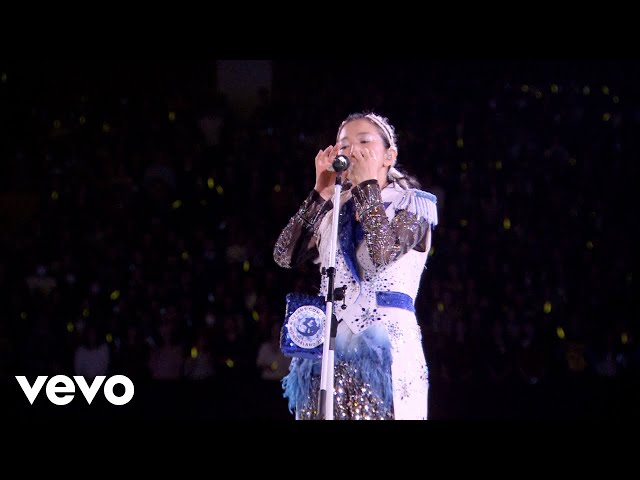
A pop number crafted by DREAMS COME TRUE that’s perfect for autumn nights.
Released in March 1995, it’s included on the classic album “DELICIOUS,” which topped that year’s Oricon annual album chart.
The lyrics, capturing the bittersweet frustration of being unable to move beyond a “friends” relationship despite being in love, resonate deeply.
It’s the perfect song for gazing up at the night sky and basking in sweet, heartrending memories.
A once-a-week loverDREAMS COME TRUE54rank/position

As you can tell from the title, it’s what you’d call a “cheating song.” “I won’t say I love you—not until the very end, surely.” Riding on a subtly adult, subtly sweet mood, it’s a masterpiece that beautifully sings of the delicate shifts of a heart wavering in a complicated relationship.
I want to see you.DREAMS COME TRUE55rank/position

DREAMS COME TRUE’s debut work.
Another DCT piece that really shines live.
You wander around places where the person you want to see might be, and after all that, you spot someone who looks like them and catch your breath.
It’s a song that tells an episode so heart-wrenching it tightens your chest.
Love love loveDREAMS COME TRUE56rank/position

DREAMS COME TRUE’s “Love Love Love” seems difficult, but because there are many repetitions, it’s easy to sing and feels like you can get away with being a little off-key.
When I sing this song, the people I’m with say, “You’re good!”