

Georges Bizet Popular Song Rankings [2026]

The 19th-century French composer Georges Bizet.
His representative works include Carmen and The Pearl Fishers.
Born to a vocal teacher father and a pianist mother, he was immersed in music from an early age.
Despite his outstanding talent as a pianist, he set his sights on becoming an opera composer.
Here is a ranking of Bizet’s popular pieces, the works that fulfilled his dream.
- Piano Works by Bizet: Exquisite Masterpieces by the Composer Who Created Carmen
- Jules Massenet Popular Song Rankings [2026]
- Giuseppe Verdi Popular Songs Ranking [2026]
- Jacques Ibert Popular Song Ranking [2026]
- Camille Saint-Saëns Popular Songs Ranking [2026]
- Gabriel Fauré Popular Songs Ranking [2026]
- Pablo de Sarasate Popular Song Rankings [2026]
- Franz Liszt Popular Song Ranking [2026]
- Cécile Chaminade Popular Song Rankings [2026]
- Emmanuel Chabrier Popular Song Rankings [2026]
- George Gershwin Popular Song Rankings [2026]
- Claude Debussy Popular Songs Ranking [2026]
- Déodat de Séverac Popular Song Rankings [2026]
Georges Bizet Popular Song Rankings [2026] (21–30)
“Toreador Song” from the opera CarmenGeorges Bizet22rank/position

This piece is striking for its powerful march rhythm and passionate melody.
It expresses the bravery and charm of the toreador Escamillo, evoking Spanish culture and the atmosphere of bullfighting.
The lively musical character depicts the audience’s fervor and the excitement of the bullring, captivating listeners.
Coupled with the orchestra’s brilliant accompaniment, it builds a structure overflowing with exhilaration.
Among the opera’s numbers, it is especially popular and is often performed on its own at concerts and across various media.
It is a masterpiece recommended for those interested in classical music or who enjoy passionate musical styles.
Premiered in Paris in March 1875, the piece was initially poorly received but later came to be esteemed as a world-renowned classic.
CarmenGeorges Bizet23rank/position

This is a commercial that promotes the existence of Japan’s largest test for elementary school students, the National Unified Elementary School Test, and conveys the desire for children to take it.
Set to a light, Carmen-inspired arrangement, it creates a lively atmosphere as elementary school students gather.
It conveys a positive feeling of checking one’s abilities and moving forward into the future.

Prelude from CarmenGeorges Bizet24rank/position

When the powerful introductory notes resound through the gym, there’s a moment when everyone present naturally straightens their posture.
Composed by the French musician Georges Bizet, this piece begins with the brilliant theme of a toreador, unfolds into a weighty motif of fate, and then develops into a passionate, march-like subject evocative of Spain.
It has even been used during the champagne celebrations at Formula 1 Grand Prix award ceremonies.
Brimming with exhilaration, the work premiered in March 1875.
It’s a piece that delivers outstanding impact in festive, radiant moments such as student entrances or the opening of performances.
A superb choice to enliven the opening ceremonies of sports days and athletic festivals—highly recommended.
Carmen PreludeGeorges Bizet25rank/position

A powerful and energetic piece that conveys the passion of Europe.
Known as the prelude to Bizet’s masterpiece Carmen, it premiered in Paris in March 1875.
Although it received some critical reviews at the time, it has since become a beloved classic around the world.
Its brilliant, lively character makes it perfect for a school sports-day cavalry battle! The bold rhythm heightens the excitement of competition.
Play it before the event or during the match, and it’s sure to fire up both participants and spectators.
This piece will give you a strong push as you engage in a heated contest.
Carmen SuiteGeorges Bizet26rank/position
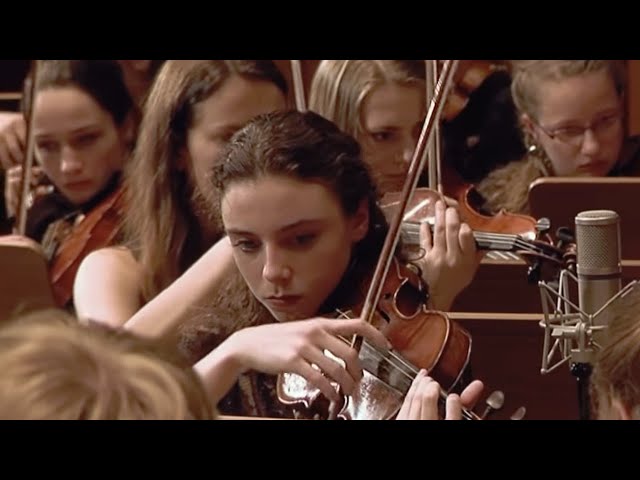
It seems that many animals show favorable responses to music specifically composed for them.
For example, when certain sounds are played for cats, they may approach the speaker or rub against it.
Classical music is the type cats like the most.
A piece composed to match the frequencies cats prefer is the Carmen Suite.
Cats may be drawn to the flowing structure of the music and the high-pitched melodies.

Nocturne No. 1 in F majorGeorges Bizet27rank/position

Nocturne, composed by the French composer Georges Bizet—famed for the opera Carmen—is a lyrical piano piece themed around the night.
Its rich melodic beauty and delicate touch, so characteristic of Bizet, evoke the quiet and wistfulness of the nocturnal hours.
Written in September 1854, the piece is imbued with Romantic-era sentiment.
While it eschews ostentatious virtuosity, performances that draw out its deep emotion are sure to move listeners.
It is a masterpiece recommended to a wide audience, from classical newcomers to devoted piano enthusiasts.
Nocturne No. 2 in D majorGeorges Bizet28rank/position

Georges Bizet, a French Romantic composer, left outstanding works across a variety of genres—opera, symphony, and chamber music—despite his short life of just 36 years.
One of his piano pieces, Nocturne No.
2 in D major, features a beautiful melody that evokes the quiet of night and a contemplative atmosphere, allowing listeners to savor Bizet’s uniquely expressive style.
Blending the Romantic era’s delicate emotional nuance with refined harmonic sophistication, this work is ideal for piano enthusiasts who wish to enjoy a calm mood and flowing sonorities, and who seek to express their own sensibilities through music.