

Best Songs and Popular Tracks by Male Singer-Songwriters: 2026 Rankings

A singer-songwriter who performs their own self-written songs.
Their music expresses a wide range of emotions from the artist’s heart.
Here, we present a ranking of songs by such singer-songwriters that are particularly outstanding for their lyrical expression.
- Ranking of Male J-Pop Singers’ Best-Lyric and Most Popular Songs [2026]
- Male Singer-Songwriters’ Anime Songs: Popular Tracks Ranking [2026]
- Male Singer-Songwriters of the 2000s: Popular Song Ranking [2026]
- Top Male Singer-Songwriter Hits of the 1980s: Ranking [2026]
- Most Popular Songs Among Men Ranking [2026]
- 1990s Male Singer-Songwriters: Popular Song Rankings [2026]
- Top Japanese Pop Karaoke Rankings for Men [2026]
- Male Singer-Songwriter CM Songs, Commercials, and Popular Tracks Ranking [2026]
- Ranking of Heart-Wrenching Songs by Male J-Pop Singers [2026]
- [Men] Popular Karaoke Rankings [2026]
- [Men] Ranking of Easy-to-Sing Karaoke Songs [2026]
- Best Songs and Popular Tracks by Male Singer-Songwriters: 2026 Rankings
- Male-Popularity Artist Rankings [2026]
Best Male Singer-Songwriter Songs with Great Lyrics: Popular Song Ranking [2026] (71–80)
I wonder if it will be sunny tomorrow.Kuwata Keisuke71rank/position

With its grand sense of scale and message brimming with hope, this ballad seems to mirror the faint loneliness felt at the end of the day and the lingering anticipation for tomorrow.
The lyrics’ emphasis on “believing in yourself and wishing” gently lends strength in those quiet moments after summer’s bustle fades, when you find yourself facing your inner thoughts.
Released in May 2007 as Keisuke Kuwata’s ninth solo single, the song became etched in many people’s memories as the theme for the Fuji TV drama “Operation Love” (Proposal Daisakusen).
It’s a gem of a track to listen to when you want to soak in the sentimental mood of summer’s end, pause for a moment, and rediscover hope for the future.
White LoversKuwata Keisuke72rank/position

A heartwarming ballad that delicately paints winter scenes, transforming the bittersweet memory of a lost love into a feeling of blessing.
While looking back on a past romance, it carries a positive message about cherishing the love that was shared, resonating through Keisuke Kuwata’s warm, soulful vocals.
Released in October 2001 as his seventh single, this gem won the Gold Prize at the 43rd Japan Record Awards that same year.
Also featured in Coca-Cola’s “No Reason” campaign commercial, the song won the hearts of listeners across generations.
It’s the perfect soundtrack for spending unhurried time with someone special in a relaxed lounge, or for quietly gazing at a winter nightscape alone with a glass in hand.
cherry blossomMoriyama Naotaro73rank/position

This song, a massive hit in 2003, is a masterpiece that depicts parting and reunion through the beauty and transience of cherry blossoms.
Naotaro Moriyama’s clear vocals and the simple, piano-centered arrangement resonate deeply with listeners.
The lyrics, which liken cherry blossoms scattering at the very moment they are in full bloom to the turning points of life, evoke both the poignancy of a departure and a forward-looking hope.
Chosen as the ending theme for the MBS/TBS program “Sekai Ururun Taizai-ki,” it sold over one million copies.
In 2019, it was revived with a new arrangement as the theme song for the drama “同期のサクラ” (Synchrony’s Sakura), and it continues to be loved across generations.
Sung at a graduation ceremony—one of life’s important milestones—it will etch memories with friends and a resolve for the future even more deeply.
If being alive is painfulMoriyama Naotaro74rank/position

This song, with lyrics that startle you for a moment right at the beginning, actually brims with hope.
Many people have been moved by the message delivered through Naotaro Moriyama’s distinctive voice.
When you’re going through a tough time and listen to this track, you can cry your eyes out, sink to the bottom, and once you’ve let yourself fall all the way, you’ll feel ready to start walking again—the weight on your heart lifts a little.
If something happens that makes you feel, “I’ll never bounce back…,” try entrusting your heart to this song.
Its lyrics, full of kindness and compassion, will wrap around your wounded heart.

To all living thingsMoriyama Naotaro75rank/position
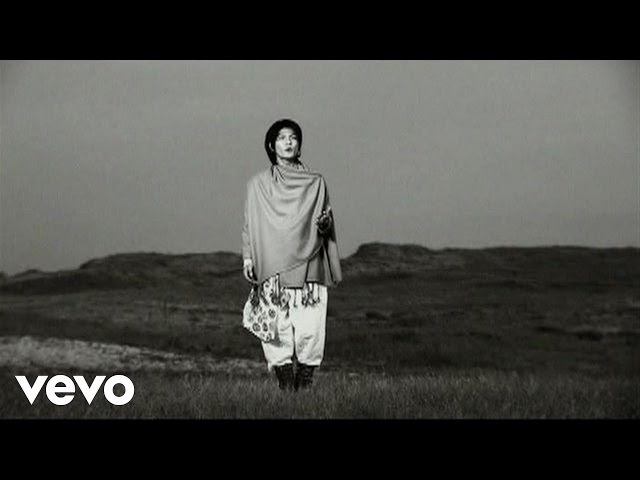
It’s the theme song for the 2004 drama “Beloved You.” It’s a grand piece centered on life and the meaning of living, and the opening chorus really resonates in your chest.
The protagonist in the song doesn’t seem to be the good person their loved one imagines; they appear to have both an angel’s face and a devil’s face.
Having ceased to be human, what will the protagonist do? The lyrics make you want to know what happens next.

The End of SummerMoriyama Naotaro76rank/position

“The End of Summer,” the third single by Naotaro Moriyama, released in 2003.
From the intro, his high, cleansing vocals shine, and the song carries a subtle sense of nostalgia.
Every line of the lyrics is imbued with beautiful language, evoking uniquely Japanese scenery and scenes.
It also brings forth that particular melancholy and wistfulness found at summer’s end, welling up from within.
It calls to mind those slightly cooler days when you can hear the insects begin to sing.

I won’t fall in love anymore.Makihara Noriyuki77rank/position
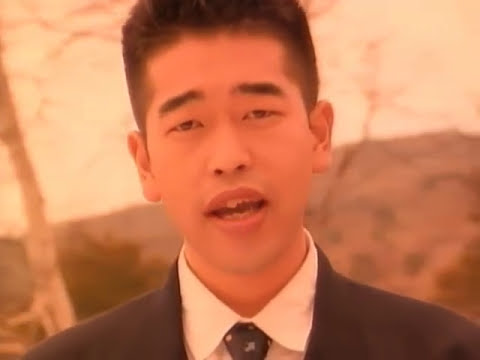
A gem-like ballad that delicately portrays the pain of heartbreak and the hope of taking a new step forward.
Noriyuki Makihara’s gentle vocals tenderly envelop the protagonist’s complex feelings as they struggle to accept a breakup with their lover.
While carefully depicting the loneliness and confusion felt in everyday life, it also resonates with the positive resolve hidden behind the words “I won’t fall in love anymore.” Released in May 1992, the song was used as the theme for the drama “After the Children Are Asleep,” reaching No.
2 on the weekly Oricon chart and No.
7 for the year.
It’s a song that stands as emotional support, accompanying you through the healing process of a broken heart.