

![Noriyuki Makihara Popular Songs Ranking [2026]](https://i.ytimg.com/vi/b88pxLpMZKk/sddefault.jpg)

Since his debut in 1990, Noriyuki Makihara has continued to produce numerous classic and hit songs.
“Sekai ni Hitotsu Dake no Hana,” which he wrote and composed for SMAP, became a nationwide hit beloved across Japan.
Here is a ranking of Makihara’s popular songs.
- Masaki Makihara’s famous and popular songs
- Noriyuki Makihara’s Tearjerker Songs, Cry-Your-Eyes-Out Tracks, and Popular Hits Ranking [2026]
- Makihara Noriyuki’s Moving Songs and Popular Tracks Ranking [2026]
- Noriyuki Makihara’s Christmas Songs and Popular Hits Ranking [2026]
- Noriyuki Makihara Love Songs: Popular Song Ranking [2026]
- Noriyuki Makihara Cheer Songs & Popular Songs Ranking [2026]
- Karaoke Popular Songs Ranking of Noriyuki Makihara [2026]
- Noriyuki Makihara Ballad Songs: Popular Song Rankings [2026]
- Noriyuki Makihara’s Broken-Heart Songs: Popular Song Ranking [2026]
- Noriyuki Makihara’s CM Songs and Popular Tracks Ranking [2026]
- [Tearjerker] Songs that make your heart tremble with tears & moving tracks with lyrics that touch the soul
- Noriyuki Makihara’s Unrequited Love Songs: Popular Song Ranking [2026]
- Noriyuki Makihara Birthday Songs and Popular Tracks Ranking [2026]
Noriyuki Makihara Popular Songs Ranking [2026] (1–10)
At all times.Makihara Noriyuki1rank/position
An anthem that reminds you of the importance of being yourself when you feel like you’re losing who you are.
The lyrics, which encourage you to walk the path you believe in without being trapped by others’ gazes, gently push you forward as you dive into a new environment.
Released in June 1991 as a single by Noriyuki Makihara, this classic has sold over 1.67 million copies.
Written as the theme song for the film “No Problems on the Employment Front,” it was also selected as the entrance march for the 1992 National High School Baseball Invitational Tournament.
Its universally known melody continues to be loved across generations.
Take a break from packing—or play it on your first morning in your new home.
As you embark on a new life filled with both excitement and uncertainty, give it a listen.
Far, far awayMakihara Noriyuki2rank/position

Do you know a warm, classic song that gently stays by the side of those starting new days at school or work? It’s a piece filled with the wish to show loved ones back home how hard you’re trying in your new city.
This song gently gives a push to people holding on far from home.
Included on Noriyuki Makihara’s album “Kimi wa Boku no Takaramono” and released in June 1992, it has been cherished for years—featured in a 2006 NTT East Japan commercial and used on the TV program “Marumaru Chibi Maruko-chan” aired in July 2007.
It’s a song I especially want those who feel a sudden pang of loneliness after moving to Tokyo to hear.
It will give you that little extra strength to keep going!
I won’t fall in love anymore.Makihara Noriyuki3rank/position
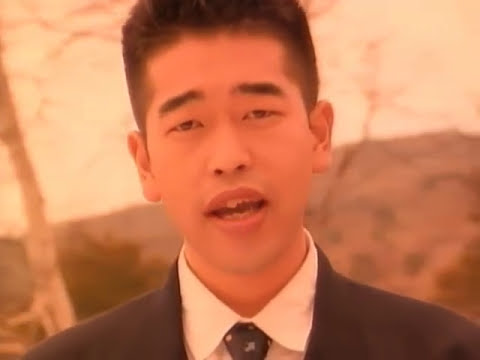
This timeless song depicts the pain of heartbreak through everyday moments and has continued to comfort many listeners.
Written by Noriyuki Makihara, it was released in May 1992 as his fifth single and became a major hit as the theme song for the Nippon TV drama “After the Children Are Asleep.” It was also included on the album “Kimi wa Boku no Takaramono,” released in June of the same year.
While it sings about the profound sense of absence felt in the shared room during fleeting moments, it ultimately holds a powerful resolve to move toward a new tomorrow.
It’s a song I recommend when you want to lift your head just a little from the depths of sorrow or take a next step while holding precious memories close—it gently gives you a push forward.
THE END OF THE WORLDMakihara Noriyuki4rank/position

Makihara Noriyuki’s “THE END OF THE WORLD” vividly conjures before my eyes two people walking side by side in the rain, caught in a forbidden love.
Among the couples who look ordinary on the city streets, there may be many who carry circumstances like these.
The way they kiss in the dark and whisper “I love you” in small voices suggests the guilt of an affair, yet there’s no sign that they intend to end the relationship; it even feels as if they mean to continue it until the time comes.
What path will they follow from here?

The thing I wanted mostMakihara Noriyuki5rank/position
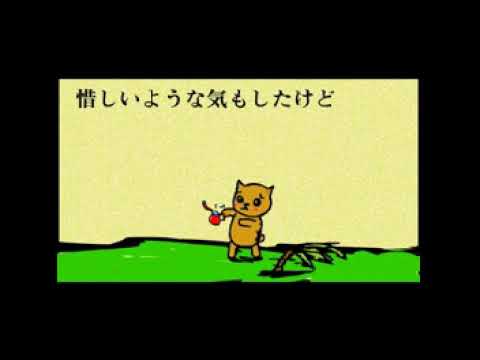
This is the 32nd single, released on July 28, 2004, and it served as the theme song for the drama “Last Present: The Final Summer Living with My Daughter,” starring Yuki Amami.
It’s a self-cover of “The Gift,” which was provided to the British band Blue, and it’s a warm masterpiece that realizes that selfless love and contribution to others are truly “the thing I wanted most.” Someone practicing this song in vocal training struggled with the pitch at the end of the phrases in the A section—does it go up or down? It seemed a bit tricky to memorize.
The overall vocal range isn’t that high, so if you sing with resonance in your head voice, you might be able to deliver it smoothly!

Winter is starting.Makihara Noriyuki6rank/position
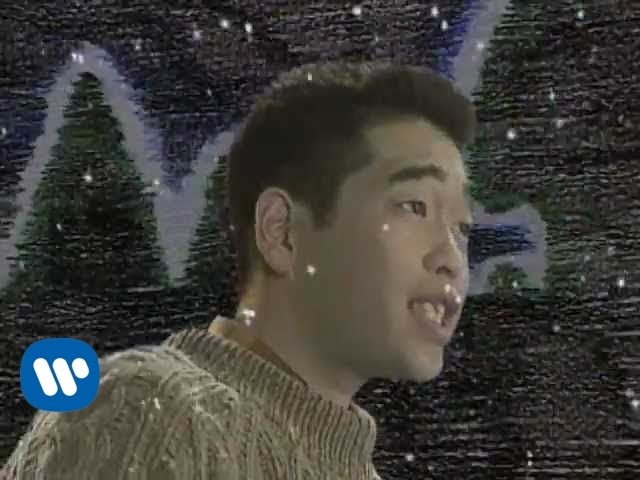
Makihara Noriyuki—fondly known as “Makkī”—is an indispensable figure when talking about the music scene of the 1990s and a genius singer-songwriter whose name is etched in Japanese music history, leaving behind many timeless songs.
His naturally smooth, unadorned, and expansive voice that reaches listeners’ hearts directly; melodies that are not swayed by passing trends; and lyrics that superbly capture vivid scenes and shifting emotions through simple word choices—his talent is universally acknowledged.
Among his many classics, the 1991 release “Fuyu ga Hajimaru yo” is relatively easy to sing, and the signature high notes typical of Makihara are somewhat restrained, making it a good recommendation for those who struggle with high registers.
Be mindful of the shuffle rhythm, and take care to stay on pitch!

chicken riceHamada Masatoshi / Makihara Noriyuki7rank/position

The lyrics depicting Hitoshi Matsumoto’s memories of a poor childhood touch listeners’ hearts.
It’s a Christmas song released in November 2004 under the name Masatoshi Hamada and Noriyuki Makihara, with Downtown’s Masatoshi Hamada as the lead vocalist and Noriyuki Makihara handling composition and chorus.
Many people were surely moved by these heartwarming lyrics.
The song was chosen as the image song for Fuji TV’s winter event and reached No.
2 on the Oricon weekly chart.
Imbued with the pure kindness of a boy thinking of his parents, this work is perfect for time spent with your loved ones at Christmas.