

Miho Nakayama Popular Songs Ranking [2026]

Her songs, which have a sexy vibe, always feel a bit mature and are cool no matter when you listen to them.
We’ve put together a ranking of popular songs by Miho Nakayama, known as a former idol, singer, and actress.
Even if you’re from a generation that doesn’t know her, be sure to check it out!
- Miho Nakayama’s Love Songs: Popular Song Rankings [2026]
- Miho Nakayama’s Most Popular Karaoke Songs Ranking [2026]
- Shinpei Nakayama Popular Songs Ranking [2026]
- Saddest Songs Ranking [2026]
- [50s] Popular Song Ranking by Generation [2026]
- Kaho Nakamura Popular Songs Ranking [2026]
- Akina Nakamori Popular Songs Ranking [2026]
- Kohmi Hirose’s Most Popular Songs Ranking [2026]
- Popular Tearjerker Song Rankings [2026]
- Popular Dance Songs Ranking [2026]
- Miki Imai’s Most Popular Songs Ranking [2026]
- Miyuki Nakajima’s Most Popular Songs Ranking [2026]
- Shihoko Hirata Popular Songs Ranking [2026]
Miho Nakayama’s Most Popular Songs Ranking [2026] (1–10)
Make my heart raceNagayama Miho8rank/position

For men in their 50s, wouldn’t it be fair to say that Miho Nakayama is an exceptionally catchy idol? Back then, even in her teens, many people were captivated by her vocals and looks, which exuded remarkable allure.
Among Miho Nakayama’s songs, the one I especially recommend for getting the crowd going and being easy to sing is “WAKU WAKU Sasete.” Blending synth-pop with kayōkyoku (Japanese pop), it’s composed with a fairly narrow vocal range of mid2 A# to hi C#.
The vocal line doesn’t fluctuate much, making it overall quite an easy song to sing.
However, since the tempo is fairly fast at BPM 136, it’s important to get a solid feel for the tempo in advance.

Color · White BlendNagayama Miho9rank/position

Buoyed by the warmth of spring, this is a bright pop tune that makes you want to break into a spontaneous step.
Written and composed by Mariya Takeuchi, it was released as a single in February 1986 and became her first hit to surpass 200,000 copies sold.
It aired in living rooms across Japan as Shiseido’s spring campaign song, and many were surely captivated by Miho Nakayama shining from the other side of the TV screen.
Nobuyuki Shimizu’s urban, sophisticated arrangement vividly brings out the excitement of the changing seasons.
Takeuchi herself also recorded a self-cover on her album “REQUEST,” letting you enjoy the distinct charms of each version.
It’s the perfect song for those moments when you want to feel your heart flutter with the anticipation of love, or to play with the windows down on a sunny day’s drive!
To be happyNagayama Miho10rank/position
It was released in 1993 as Miho Nakayama’s 26th single.
The song was used as the theme for the NHK morning drama series “Eenyobo,” and this was the first time Miho Nakayama provided a theme song for a show in which she did not appear.
The lyrics, which say that no one can take the place of the one you love, are very cute and make you feel warm.
Miho Nakayama’s Most Popular Songs Ranking [2026] (11–20)
Surely more than anyone else in the worldWANDS & Nakayama Miho11rank/position

A memorable collaboration between WANDS and Miho Nakayama, marked by its sweet and wistful vocals.
This song is a heartwarming ballad that portrays deep love and bonds.
Used as the theme song for the Fuji TV drama “Dareka ga Kanojo o Aishiteru” (“Someone Loves Her”), it became a runaway hit upon its 1992 release.
It topped the Oricon charts and achieved the milestone of becoming a million seller.
Seamlessly blending WANDS’ rock sound with Miho Nakayama’s captivating vocals, this track is perfect for women in their 50s as well.
While evoking a sense of nostalgia, it features an easy-to-sing melody line, and remains beloved by many as a fun karaoke favorite to this day.
JINGI: I will make you love meNagayama Miho12rank/position
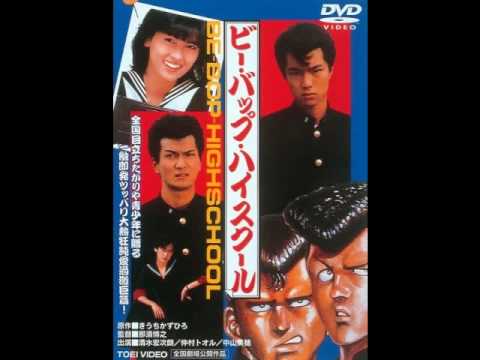
Released in 1986 as Miho Nakayama’s sixth single, “JINGI: Aisitemorai-masu” is an up-tempo, catchy pop number! Chosen as the theme song for the delinquent youth film Be-Bop High School: Koko Yotaro Aika, in which Nakayama herself starred, it also drew attention as a Showa-era classic thanks to lyrics by Takashi Matsumoto and music by Tetsuya Komuro.
Its bittersweet melody and vocals, tinged with the pains of youth, make it a highly appealing pop song.
The Little MermaidNagayama Miho13rank/position

The moment that glittering synth intro kicks in, many will be swept back to the excitement of the time.
Released in July 1988, Miho Nakayama’s 13th single is a dance track that likens the agony of drowning in love to the Little Mermaid.
The song topped the Oricon chart as the theme for the drama “Wakaokusama wa Udemakuri!,” starring Nakayama herself, and it marked a turning point in her transformation from idol to mature singer.
Its urban, bittersweet atmosphere hasn’t faded a bit.
It’s perfect for when you want to sink into nostalgia or fire up the crowd at karaoke.
cocky; cheeky; saucy; impertinent; brazenNagayama Miho14rank/position

Namiki by Miho Nakayama portrays a woman who bounces back strong after heartbreak.
Released in 1985, the song was created by two heavyweights: lyrics by Takashi Matsumoto and music by Kyōhei Tsutsumi.
The bold, confident woman suggested by the title Namiki (“Impertinent” or “Sassy”) also comes through in the cool melody.
While she fires off questions about why the breakup happened, she ultimately brushes them aside with a defiant, “Enough! I’m fine,” pushing away even her doubts.
When you find yourself brooding over a breakup, listen to this track and make a stylish comeback!
