

Top Band Songs Ranking Popular with People in Their 30s [2026]

I imagine many of you played in a band back when you were students.Maybe you’ve dusted off your guitar and tried playing again, or gotten together with your old bandmates.You just might rediscover that one song from your youth.
- Band rankings popular among people in their 30s [2026]
- [30s] Popular Songs Ranking by Generation [2026]
- Most Popular Bands Among People in Their 20s: Ranking [2026]
- Ranking of Popular Band Songs Among People in Their 20s [2026]
- Ranking of Popular Band Songs Among People in Their 40s [2026]
- Band Rankings Popular with Men [2026]
- Band Rankings Popular Among People in Their 40s [2026]
- Top Band Songs Popular with Teens [2026]
- Youth Songs for Your 30s: Iconic and Popular Tracks That Are Both Heart-Pounding and Heart-Melting
- High School Students’ Favorite Band Songs Ranking [2026]
- Ranking of Popular Band Songs Among People in Their 50s [2026]
- [30s] Easy-to-Sing Karaoke Songs Ranking [2026]
- A roundup of songs for men in their 30s to sing [’90s–’00s tracks]
Band Song Rankings Popular Among People in Their 30s [2026] (11–20)
Heart Throbsnobobyknows̟+15rank/position

A track that exquisitely fuses hip-hop and J-pop.
It was released in May 2004 and included on the album “Do You Know?”.
The lyrics depict the small joys of everyday life and the positive power of music, uplifting the hearts of listeners.
The unique worldview created by nobodyknows+’s distinctive lineup of five MCs and one DJ is truly captivating.
From performing on NHK’s Kōhaku Uta Gassen to a resurgence via the YouTube channel THE FIRST TAKE, this song continues to be loved across generations.
It’s an energizing tune that makes both your heart and body want to dance.
Perfect for busy mornings or when you need a change of pace—put it on whenever you want your spirits to soar.
HOWEVERGLAY16rank/position
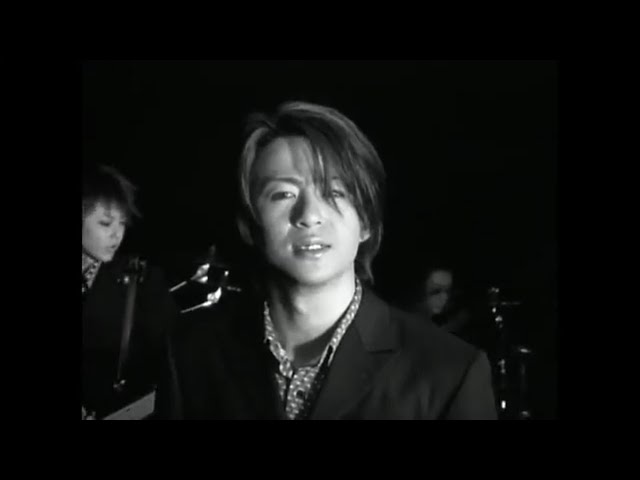
Released in 1997, this song is beloved by many as one of GLAY’s signature works.
Its bittersweet yet powerful melody and lyrics depicting the fragility of love and life resonate deeply.
It was also featured as the ending theme for the TBS drama “Ryokudatsuai: Abunai Onna,” which brought it even more attention.
If you sing it at karaoke, it’s a song you’ll want to perform in a calm, intimate atmosphere.
It’s especially recommended when you go to karaoke with someone of the opposite sex.
If you channel TERU’s emotionally rich vocals and sing with feeling, it will surely touch the other person’s heart.
For men in their 30s, it might be a song that brings back memories of their youth.
choB-DASH17rank/position

This track is a major single by B-DASH.
It’s meant to be enjoyed by ear, and if you actually look at the lyrics, the English and Japanese are all jumbled.
But that’s B-DASH’s signature—its English-like vibe makes it really cool.
The vocal range is D#3 to A#4, with the highest note being a high A#; it’s on the higher side, but most of the song sits around D4.
Since it’s a short song, it might be fun to just go with the flow and sing it without worrying about the lyrics! Give it a try!

Shanghai HoneyORANGE RANGE18rank/position

Recently, ORANGE RANGE has enjoyed a cross-generational revival hit and is once again drawing public attention.
They’ve produced many classic songs, and for men in their 30s, every track likely holds special memories.
Among their works, one I especially recommend is Shanghai Honey.
Released in 2003, it was composed on a foundation of the then-trending mixture rock.
It carries a somewhat West Coast vibe, characterized by a laid-back yet distinctly dope feel.

I want to hug you.Mr.Children19rank/position

Mr.Children’s “Dakishimetai” is the second single, released in December 1992.
Created for a friend’s wedding, it features lyrics that convey pure expressions of love.
Reflecting on the moment they met, the song depicts the certainty that the love the two have nurtured is unchanging.
It’s a warm piece that conveys a strong will to accept even the other’s scars and walk forward together.
Beloved as a wedding classic, it’s perfect for conveying gratitude to a loved one and vows of forever.
It’s a masterpiece packed with the charm of Mr.Children’s heartfelt portrayal of pure love.
bouquetback number20rank/position

Buck Number is a band you want to sing softly and coolly at karaoke.
Their warm vocals and the melodies they create are truly dramatic in every song.
The realistic feel of their lyrics is wonderful too, and karaoke is the perfect place to let those lyrics shine.
Their romantic lyrics make many girls think, “I want someone to feel this way about me.” Put your own feelings into it and give it a try!

Band Song Ranking Popular with People in Their 30s [2026] (21–30)
cloudy skyDOES21rank/position

The renowned trio DOES, formed in Fukuoka, rose to nationwide fame thanks to their signature song “Donten,” released in 2008.
It was used as the opening theme for the TV anime Gintama and became a major hit, reaching the top three on the Oricon charts.
The song’s raw, stripped-down guitar sound—made possible by the trio’s minimalist lineup—is incredibly cool, and it’s hugely popular at karaoke.
The rugged, husky vocals and blunt yet moving melody aren’t particularly difficult and are easy to sing, but because the melody doesn’t change much, be mindful to avoid sounding too monotone when you perform it.
