

Spitz Popular Songs Ranking [2026]

Spitz is a nationally beloved band that has reigned at the top of Japan’s music scene from the 1990s to the present.
Even though they keep media appearances to a minimum, you’ve likely continued to hear their songs frequently on TV commercials, radio, and cable music channels.
Here is a ranking of Spitz’s popular songs.
- Spitz Karaoke Hit Song Rankings [2026]
- Spitz’s Most Moving Songs and Popular Tracks Ranking [2026]
- Masterpieces by Spitz: A list of recommended popular songs and signature tracks
- Spitz Commercial Song and Popular Song Rankings [2026]
- Spitz Love Songs and Popular Songs Ranking [2026]
- Spitz Ballad Songs: Popular Song Ranking [2026]
- Spitz Support Songs and Popular Song Rankings [2026]
- Spitz songs that are easy to sing at karaoke and popular tracks
- Spitz Unrequited Love Songs: Popular Songs Ranking [2026]
- Spitz Heartbreak Songs: Popular Songs Ranking [2026]
- Spitz Graduation Songs, Entrance Ceremony Songs, and Popular Song Rankings [2026]
- Mr.Children Karaoke’s Most Popular Songs Ranking [2026]
- A beautifully mad world: Amazing lyrics! Spitz’s masterpiece — the Masamune Kusano world
Spitz Popular Song Ranking [2026] (11–20)
Soulmatesupittsu15rank/position

A gem of a song whose delicate lyricism finds the meaning of life in everyday moments and whose universal message questions the nature of love in modern society.
Released as a single in November 1997, it is known as a work that symbolizes Spitz’s musical evolution.
Its striking sound—harmonizing the warmth of acoustic guitar with fresh experiments like breakbeats—reached No.
3 on the Oricon Weekly Singles Chart.
It also drew attention as the theme song for the 1999 film Whisper of the Moon.
Highly recommended for those who want to listen alone on a calm night, or who are seeking support for the heart while standing at a crossroads in life.
spidersupittsu16rank/position
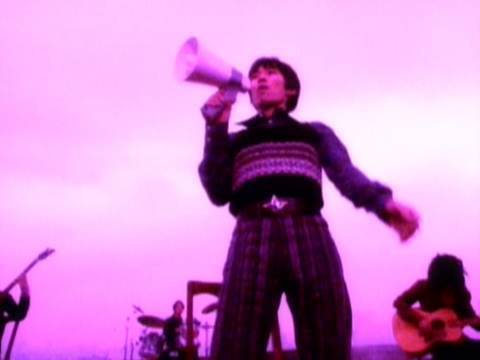
This is a track by Spitz featuring exhilarating, fast-paced guitar sounds.
The song portrays a tenuous yet powerful bond between two people drawn together by fate.
It carries a buoyant sense of excitement—like they’re stretching just a bit, yet filled with confidence about the future—that lifts the listener’s spirits as well.
After being included on the album “Sora no Tobikata” (How to Fly in the Sky), it was released as a single in October 1994 in response to radio buzz.
With its refreshing, breeze-like energy, it’s a perfect companion for a drive.
far; distant; by farsupittsu17rank/position

Needless to say, Spitz have countless masterpieces and are hugely popular at karaoke, but many people feel intimidated by melodies sung in Masamune Kusano’s clear, high-tone vocals.
The 2001 release Haruka introduced here is, of course, sung in a range that can be tough for those who can’t hit high notes, but the melodic rises and falls aren’t that drastic and the line stays relatively steady, so lowering the key makes it quite manageable even for lower voices.
If you find yourself struggling partway through the soaring chorus, I recommend learning to sing with proper diaphragmatic breathing to avoid straining your throat.

Scarletsupittsu18rank/position

This heartwarming melody might be just right for the slightly chilly air of late autumn.
Its allure lies in a passionate yet gentle worldview that vows never to let go of the bond with a loved one.
The image in the lyrics of a small red light the two protect together feels like a warmth that quietly stays by your side as the season grows colder.
Released in January 1997 and used as the theme song for the drama “Melody” starring Kyoko Koizumi, the song reached No.
1 on the Oricon charts.
Give it a listen on a November night when you’re feeling a little lonely!
harborsupittsu19rank/position

Minato, with its dazzling yet wistful soundscape, is the 41st single released in 2016.
It’s a quintessential Spitz song—nostalgic, tinged with melancholy, and a track whose words slowly seep into you.
While evoking various scenes and stories at a harbor, it invites you to ‘pause for a moment and look back.’ It feels like a song that stays close to you at such times.
Just before the last chorus, a whistle enters, adding a striking sense of depth; this part features Wataru Sawabe from the band Skirt.
You might feel the hope and future that the whistling opens up.
It’s a classic that serves as a guidepost for starting anew, steeped in fond memories.

cat chigura (traditional straw cat house)supittsu20rank/position

A digital-only single by Spitz, released in June 2020.
Even among high-tone singers, there are many different types, but Spitz’s vocalist Kusano has a very gentle and beautiful voice that delivers high notes wonderfully.
This song is no exception: Kusano’s warm, clear vocals add a rich hue to the track’s tender atmosphere.
It’s a top recommendation for anyone looking for a male vocal song with gentle high tones!

Spitz Popular Songs Ranking [2026] (21–30)
prophetic dreamsupittsu21rank/position

The 29th single, chosen as the theme song for the drama “Medaka.” Released by the rock band Spitz in 2004, it’s a song that has been loved for many years.
Its melodious acoustic sound and strings really resonate with the heart.
In contrast to its grand sound, the lyric—like a short story depicting everyday life—is also captivating.
It delicately captures sentimental emotions, tightening your chest with a sweet ache.
Pay attention as well to the arrangement that evokes ’90s UK rock.
It’s a song that makes you feel like you can take a small step forward while holding onto expectations for a dreamlike reality.
