

The Who Popular Song Rankings [2026]

The Who, a quintessential British band of the Mod culture.
They initially focused on beat rock rooted in R&B, but from the late 1960s they began releasing large-scale works known as “rock operas.”
We’ve put together a ranking of their popular songs.
Be sure to check it out.
- The Rolling Stones Popular Songs Ranking [2026]
- The Kinks Popular Songs Ranking [2026]
- Pink Floyd’s Most Popular Songs Ranking [2026]
- The Monkees Popular Song Rankings [2026]
- Legendary hard rock masterpieces and popular songs etched in the history of music
- The Doors Popular Songs Ranking [2026]
- The Beach Boys Popular Song Rankings [2026]
- The Jam Popular Song Rankings [2026]
- Radiohead Popular Song Rankings [2026]
- 10cc Popular Song Ranking [2026]
- The Supremes Popular Song Rankings [2026]
- Green Day’s Most Popular Songs Ranking [2026]
- The Smiths Popular Song Rankings [2026]
The Who Popular Song Rankings [2026] (11–20)
Boris the SpiderThe Who11rank/position

“Boris the Spider,” a popular song composed and sung by the late John Entwistle, the bassist of The Who—the legendary British rock band the UK proudly boasts to the world.
From the very beginning, the heavy unison riff between guitar and bass conjures a mix of eeriness and humor, and John’s theatrically charged vocals leave a strong impression.
The low-register part of the chorus, in particular, delivers a powerful impact on listeners.
As Entwistle himself called it a “horror song,” it’s also popular overseas as a Halloween track.
If you’re squeamish about bugs, I recommend not reading the lyrics (lol)!

Cobwebs And StrangeThe Who12rank/position

An instrumental track by the British rock band The Who.
The trumpet is played by John Entwistle.
Released in 1966, it reached No.
4 on the UK charts and is included on the album A Quick One.
Pinball WizardThe Who13rank/position

This is a masterpiece by The Who, who were active from the 1960s to the 1970s.
Throughout their career, The Who released songs in a variety of styles, but this track can be considered one of the early seminal examples of rock opera, which went on to influence bands like Queen.
Pictures of LilyThe Who14rank/position

This song is a track by the British rock band The Who, released in 1967, and its Japanese title is “Lily no Omokage” (“The Image of Lily”).
It’s a ballad about a boy suffering from insomnia who falls in love with a woman named Lily he sees in a photograph given to him by his father.
Lily also means “yuri” (lily) in Japanese, and it seems that quite a few women’s names in foreign countries are also names of flowers.
Behind Blue EyesThe Who15rank/position

It’s one of The Who’s ballads.
While ballad numbers aren’t particularly common for The Who, this song captures their distinctive sense of poignancy and power, and its well-structured dynamics make it an inspiring, moving track that gives you a boost.
ChristmasThe Who16rank/position
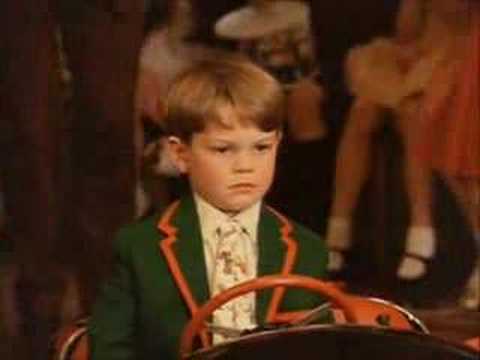
Have you ever listened to what’s called a rock opera? As the name suggests, it’s a fusion of rock and opera.
It’s a style where the songs unfold along with a narrative, and it’s known as a genre established by the rock band The Who.
The song “Christmas” is included on the album Tommy, released in 1969.
The album tells the story of a young boy named Tommy who witnesses his father committing murder and is so traumatized that he loses his sight, hearing, and ability to speak.
In this song, the lyrics express Tommy’s inner voice in response to those around him who despair because he can’t share in the Christmas celebration.
It’s an epic, almost cinematic work—perfect for a band to sink their teeth into!

Eminence FrontThe Who17rank/position

A track released in 1982 by the British rock band The Who.
It features a distinctive keyboard sound using a Yamaha organ.
It has been used as the entrance music for the NBA team Dallas Mavericks and in commercials for the automobile manufacturer GMC.
I Can See For MilesThe Who18rank/position

Even for The Who, the great band that Britain prides itself on, there exists a shocking work that captures a psychedelic, hallucinatory experience influenced by psychedelic rock.
This piece tells the story of a narrator with the ability to see far into the distance who discerns their lover’s betrayal.
Featuring powerful drums, guitar riffs, and well-blended vocals, the track strongly evokes elements of psychedelia.
Released in 1967, it became The Who’s only Top 10 hit in the United States.
It has also received high critical acclaim, including being selected for Rolling Stone’s “500 Greatest Songs of All Time.” The lyrics, which convey psychological insight and anger at betrayal, are sure to resonate with anyone struggling in love.
It’s a highly recommended song for those who want to fully savor the appeal of psychedelic rock.
I Can’t ExplainThe Who19rank/position

The Who, a global rock band born in the UK and forever etched into music history, were among the most popular and influential bands of the 1960s and 1970s.
Debuting in 1964, they pioneered the rock opera with the album Tommy—driven by Pete Townshend’s guitar and songwriting—which is highly acclaimed as a landmark in rock history.
They gained popularity for their innovative, genre-defying musicality and dynamic stage performances, famously smashing guitars and drums.
A legendary band highly recommended for anyone who loves classic rock.
Join TogetherThe Who20rank/position
A track released in 1972 by the British rock band The Who.
It features a melody with two different harmonicas and conveys a message of youth unity.
In 2008, it was used in a commercial for the Nissan Maxima.