

Hidetoshi Tokunaga’s Most Popular Songs Ranking [2026]

Since his debut in 1986, singer Hideaki Tokunaga has been hugely popular for his clear, translucent voice.Although he took a break due to throat surgery at one point, he has continued to perform at the forefront ever since.From single hits like Kowarekake no Radio and Rainy Blue to the cover albums that became major hits in recent years, this ranking is packed with fan favorites.
- Hidemi Tokunaga Love Songs: Popular Song Ranking [2026]
- Hidetaka Tokunaga Ballad Songs: Popular Song Ranking [2026]
- Hidetoshi Tokunaga’s Most Popular Karaoke Songs Ranking [2026]
- HIDEAKI TOKUNAGA’s Heartbreak Songs: Popular Song Rankings [2026]
- [Resonates with the Heart] Masterpiece Ballads with Beautiful, Poignant Lyrics
- Iconic ballads of 90s J-pop: nostalgic mega-hits and fan favorites
- Ranking of Popular Japanese Music and J-POP Artists Among People in Their 60s [2026]
- Eiichi Ohtaki Popular Song Rankings [2026]
- All masterpieces! Western pop ballads that were hits in the ’90s
- [Middle School Students] Popular Songs Ranking by Generation [2026]
- [Tear-Jerking] Classic and Recommended Love Ballads
- DEEN Popular Songs Ranking [2026]
- Top Inoue Yosui Songs Ranking [2026]
Hideto Tokunaga Popular Songs Ranking [2026] (21–30)
Earrings of Stars and the Moon and Your DreamTokunaga Hideaki21rank/position

The lyrics were written by the renowned singer-songwriter Shozo Ise.
Rather than depicting the moon itself, the song layers images of a pedestrian bridge and the sea onto the small accessory of a moon-shaped earring, creating enigmatic lyrics that convey the complexities of love.
Hideaki Tokunaga sings it with rich emotion.
Depending on the listener, the fate of the two in the song—whether they parted or stayed together—can be interpreted differently, don’t you think?

Spring SnowTokunaga Hideaki22rank/position

A single released in 2011.
Theme song for the drama “Sakura Kokoro.” Born in 1961.
A singer-songwriter from Fukuoka Prefecture.
Released as the first single of his 25th anniversary year.
With its slow-tempo rhythm and moody, lyrical melody line, his distinctive vocals make this a track that truly resonates with the heart.
Snow BlossomTokunaga Hideaki23rank/position

A cover by singer-songwriter Hideaki Tokunaga, whose whispery husky voice and soaring highs are captivating.
His delicate, almost vanishing vocals perfectly match the original’s image, and the fact that it’s sung by a man rather than a woman reveals a different side to the song.
A gem of a cover with a beautiful melody and vocals that feel wonderfully soothing.

Stranger in SeptemberTokunaga Hideaki24rank/position

With its sweet-and-sour yet bittersweet melody that evokes the arrival of autumn, this is a hidden gem by Hideaki Tokunaga.
Opening his second album RADIO, released in August 1986, the track is an ambitious work produced just six months after his debut.
Unlike his later, more seasoned vocals, his youthful, soaring voice at age 25 paints a poignant scene of summer’s end.
The brisk, somewhat New Wave-influenced sound blends exquisitely with the melancholy lyrics, stirring the listener’s heart.
The song was later included on the ballad best-of album Ballade of Ballade, evidence of its enduring popularity among fans.
It’s the perfect track for a long autumn night when you want to sink into a sentimental mood.
I LOVE YOUTokunaga Hideaki25rank/position
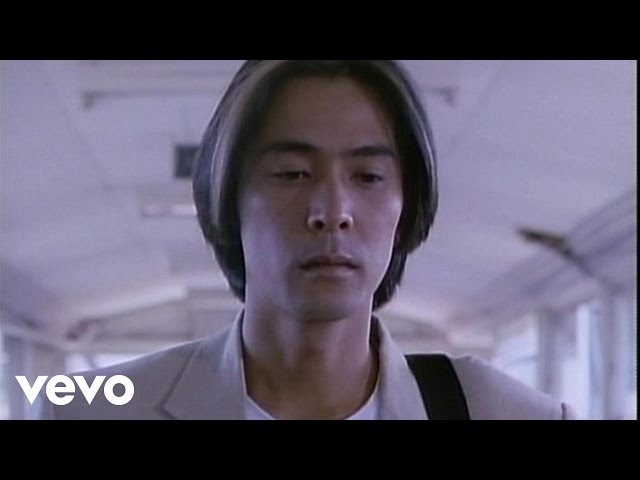
Among the songs by Hideaki Tokunaga, a singer-songwriter emblematic of the ’90s, this track is known for its crystal-clear balladry.
Released in November 1992, it peaked at No.
7 on the Oricon Weekly Singles Chart and sold over 310,000 copies.
With a simple yet moving melody and Tokunaga’s smooth, soaring high notes, it’s a memorable piece that conveys a warm feeling perfect for the winter season.
It’s also a karaoke favorite: while its straightforward ballad structure makes it easy to sing, it’s a masterpiece that tests the singer’s expressiveness.
It’s a song not only for those who listened in real time, but one that fans of the golden era of ’90s J-pop should definitely try singing.
Beyond the GoodbyeTokunaga Hideaki26rank/position

When it comes to love ballads sung by men, Hideaki Tokunaga is indispensable.
This track is included on his 2015 cover album “VOCALIST 6.” His signature husky voice is showcased to the fullest, giving the song a captivating, sensuous allure.
Sung gently at a relaxed tempo, it’s soothing to listen to.

BatonTokunaga Hideaki27rank/position

Even among those fighting illness, there are many who feel uncomfortable or dislike being cheered on or told to “hang in there.” In times like that, I want you to listen to Hideaki Tokunaga’s song “Baton.” People are often forced into a positive mindset, but that can leave the heart completely exhausted.
This song features Tokunaga’s gentle voice that seems to speak to the depths of your heart, giving you the feeling that someone is softly rubbing your back—it’s a song that can move you to tears.
Released in 2017, it is Tokunaga’s 54th single.

Graduation PhotoTokunaga Hideaki28rank/position

Hidetaka Tokunaga, whose voice truly shines in numerous ballads like “Kowarekake no Radio,” brings that strength to the fullest in “Sotsugyō Shashin” as well.
His slightly husky vocals have captivated women everywhere.
This is one of those covers that draws you in with an arrangement you can’t help but get lost in.

Summer RadioTokunaga Hideaki29rank/position

Hideaki Tokunaga’s clear, translucent voice vividly captures the sadness of summer’s end and the faint memories of young love.
The lyrics paint scenes like a kiss in an inlet and the sound of a radio heard from a boat in a sudden evening shower.
It brings to mind a bittersweet page of youth, like a scene from a short film.
Released in July 1986 as his second single, the song was also included on his album “radio” in August of the same year.
It’s perfect for moments of quiet reflection on a summer evening or as a companion on a drive.
Legend of DreamsTokunaga Hideaki30rank/position

This is the number that opens the cover album “COVERS,” released in January 2026.
The original is a song by Stardust Revue, released in 1984 and also well known as a Calpis commercial song.
There’s a story that Tokunaga, shocked by Kaname Nemoto’s voice coming from the TV, ran out to buy the record—making this work something of a starting point for him.
It’s one of the great Japanese songs that gently gives a push to those setting off toward their dreams.