

[20s] Popular Japanese Music and J-POP Rankings [By Generation]

We present the latest top 100 ranking—by number of plays—of J-Pop/Japanese music for listeners in their 20s, all at once!
People in their 20s often have firmly established musical tastes, but you might also want to keep up with the latest hits for conversation and trends.
This ranking will come in handy for that.
The playlist is updated weekly.
- Ranking of Popular Japanese Music/J-POP Artists Among People in Their 20s [2026]
- [20s] Popular Songs Ranking by Generation [2026]
- [2026] Popular Songs Among Today’s Youth [J-Pop]
- A Must-See for Those in Their 20s: A Collection of Youthful Songs That Bring Back School Days
- [Latest/Trending] A roundup of popular Japanese songs among teens and people in their 20s
- Most Popular Bands Among People in Their 20s: Ranking [2026]
- [20s] Karaoke Popularity Ranking by Generation [2026]
- Ranking of Popular Japanese Music and J-POP Artists Among People in Their 30s [2026]
- Ranking of Popular Band Songs Among People in Their 20s [2026]
- Dance music recommended by dancers for people in their 20s: A collection of popular tracks
- Top Karaoke Songs That Get 20-Somethings Hyped [2026]
- Ranking of Japanese Music/J-POP Artists Popular Among Teens [2026]
- Popular Japanese Music / J-POP Artist Rankings [2026]
[20s] Popular Japanese Music / J-POP Rankings [By Generation] (31–40)
KanadeSukima Suichi36rank/position

This song is a beautiful ballad that portrays parting with someone dear and the wish to stay connected at heart beyond that farewell.
Released by Sukima Switch in March 2004 as their second single, it features a sentimental sound centered on piano and guitar that truly resonates.
It was used as an insert song for the film “Rough,” the theme song for the drama “Sotsu Uta,” and in 2006 was selected as the ending theme for the final day of “Netto Koshien.” The protagonist’s earnest desire to reach someone through voice and song even when apart mirrors the feelings of junior high school students facing the milestone of graduation.
It’s a track that, while looking back on days with friends, makes you want to cherish those bonds going forward.
Sung as a chorus, it would surely fill the entire venue with warm tears.
Only for you, clear skiesYorushika37rank/position

A Yorushika song characterized by translucent vocals and lyrics that capture the bittersweetness of youth.
Its melody evokes summertime scenes, and the narrative-rich lyrics unfold from two perspectives—the “me” in memories and the “me” in the present—captivating many listeners.
Included on the mini-album ‘No Encore for the Loser,’ released in May 2018, it was also used as BGM for the opening VTR of a comedy live show in December 2019.
Sing it at karaoke with friends or coworkers, and it will surely spark shared nostalgia and empathy.
Why not immerse yourself in Yorushika’s world and express your feelings for someone special through song?
Goodbye ElegySuda Masaki38rank/position
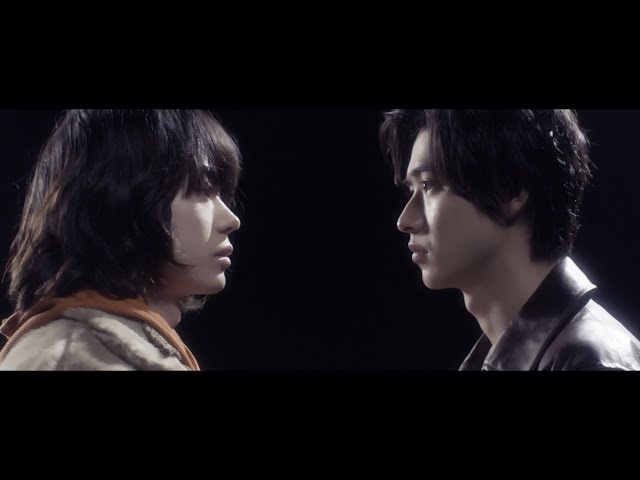
This is a striking track with straightforward lyrics and a powerful mid-tempo rock sound.
Masaki Suda’s husky, masculine voice further accentuates the bittersweet feelings of a breakup.
Released in February 2018, the song drew major attention as the theme for the drama ‘Kiss that Kills.’ The lyrics and composition were handled by Huwie Ishizaki, a close friend of Suda.
Fully expressing Suda’s unique style, the piece has garnered support across generations.
It’s recommended not only for those who have experienced heartbreak or separation, but also when you want to feel the bond with someone important.
crescent moonayaka39rank/position

A heartwarming song that sings of the bittersweetness and hope of a long-distance relationship.
Released in 2006, it’s beloved by many as one of Ayaka’s signature works.
It was featured as the theme song for NHK’s program “Mirai Kansoku Tsunagaru TV @ Human” and used in au’s “LISMO” commercial, making it popular across a wide range of ages.
Through the image of a crescent moon, it beautifully expresses the feeling that hearts remain connected even when apart.
For people in their twenties, it’s no exaggeration to call this a defining song of their generation.
Give it a listen and let it take you back.
366 daysHY40rank/position

HY’s song, which delicately sings about the pain of heartbreak, is included on their 2008 album “HeartY.” Chosen as the theme song for the drama “Akai Ito” (Red Thread), the track is distinguished by lyrics that portray the bittersweet feelings of a woman after a breakup.
The unwavering love embedded in the words and the wish to be loved again resonate deeply.
Sing it at karaoke, and it’s sure to strike a chord with anyone who’s experienced heartbreak.
How about giving it a try at karaoke with friends or colleagues while reminiscing about old memories?
[20s] Popular Japanese Music / J-POP Rankings [By Generation] (41–50)
lilacMrs. GREEN APPLE41rank/position

Set to a lively rhythm and a catchy melody, this song vividly sings of the sweet-and-sour, bittersweet feelings of youth.
Its message—embracing even our imperfections and the pains of the past—resonates deeply.
Released in April 2024 and chosen as the opening theme for the TV Tokyo anime “Oblivion Battery,” the track won the Grand Prize at the 66th Japan Record Awards.
It marks the first-ever back-to-back win by a band in history.
While aiming to return to the roots of guitar rock, it shines with technical, standout riffs.
Brimming with positive energy, it’s a song that supports anyone who has experienced the struggles and growing pains of adolescence.
Unrequited loveAimer42rank/position

“Kataomoi” has a distinctive rhythm and leans more toward “speaking” than “singing,” but this song was often sung by one of my voice-training students who wasn’t confident in singing and didn’t have a very wide range.
If you’re going to sing it, you’ll probably struggle with the rhythm first, so practice by listening to the song over and over.
Aside from the chorus, you don’t need to worry too much about pitch at the beginning.
If the rhythm doesn’t lock in first, it’ll feel off when you sing, so pay attention to where the phrases are cut and when each entry comes in, and maybe start with humming.
Humming will help you carry that same feeling into light singing, letting the sound resonate between your eyebrows without tension.
Once you’re used to it, keep that resonance in the brow area and shift into your singing voice.
If you can keep resonating in the same spot while you sing, you’ll capture a really nice vibe!
