

Recommended Japanese Music Artists and Popular Song Rankings for Men in Their 20s [2026]

There are countless popular J-pop songs, but finding tracks that suit you can be a bit tricky, right?
If that’s the case, why not try looking for your favorite artists and songs here?
We’ve put together a ranking of recommended Japanese artists and popular songs for men in their 20s, so let us introduce them to you.
- [20s] Popular Songs Ranking by Generation [2026]
- Male-Popularity Artist Rankings [2026]
- Recommended Japanese Music Artists and Popular Song Rankings for Men in Their 30s [2026]
- [20s] Popular Japanese Music and J-POP Rankings [By Generation]
- Ranking of Popular Japanese Songs and J-Pop Among Men [2026]
- Ranking of Popular Band Songs Among People in Their 20s [2026]
- [2026] Popular Songs Among Today’s Youth [J-Pop]
- Songs men like. Classic and popular Japanese songs.
- Most Popular Bands Among People in Their 20s: Ranking [2026]
- Recommended love songs for men in their 20s: classic and popular Japanese hits
- Ranking of Popular Japanese Music/J-POP Artists Among People in Their 20s [2026]
- Karaoke songs where even men with low voices can aim for high scores
- [2026] Perfect for teen boys: Songs that tend to score high at karaoke
Top Japanese Music Artists and Popular Songs for Men in Their 20s [2026] (Ranks 91–100)
Fish HeavenShibaya Hiromi99rank/position

The lyrics sing about the benefits of eating fish, and they include the names of as many as 31 different fish! It’s a familiar tune used as background music in fresh fish sections at supermarkets and department stores nationwide.
I used to go shopping with my mom and heard it often, so before I knew it, I had memorized it.
Becoming a Thousand WindsAkiyama Masashi100rank/position
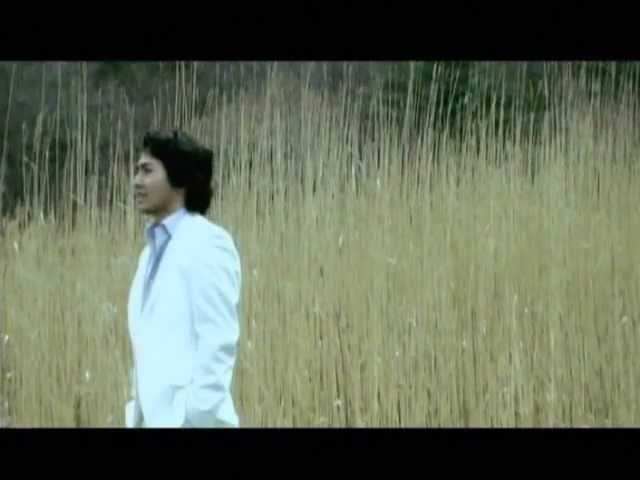
Masafumi Akikawa is a Japanese tenor who shot to fame with the song “Sen no Kaze ni Natte” (A Thousand Winds).
The song is based on the American poem “Do not stand at my grave and weep,” sung from the perspective of the deceased, and its lyrics are meant to encourage those left behind.
The opening line, “Do not stand at my grave and cry,” is particularly striking and seems to carry profound meaning.