

Hikaru Utada’s Most Popular Songs Ranking [2026]

I don’t think there are many people who don’t know Hikaru Utada, but I suspect few people actually know which of her popular songs are backed up by solid video play counts.
This time, I’ve listed the songs with the highest video views so far in a ranked format.
- Karaoke Ranking of Popular Hikaru Utada Songs [2026]
- Hikaru Utada’s famous and popular songs
- Hikaru Utada’s Tearjerker Songs, Cry-Inducing Tracks, and Popular Hits Ranking [2026]
- Hikaru Utada’s Commercial Song and Popular Tracks Rankings [2026]
- Hikaru Utada Wedding Songs and Popular Tracks Ranking [2026]
- Utada Hikaru’s Most Moving Songs and Popular Tracks Ranking [2026]
- Utada Hikaru’s Christmas Songs: Popular Track Ranking [2026]
- Hikaru Utada Love Songs and Popular Tracks Ranking [2026]
- Utada Hikaru Cheer Songs and Popular Tracks Ranking [2026]
- Hikaru Utada Ballad Songs: Popular Song Ranking [2026]
- Hikaru Utada’s Breakup Songs: Popular Track Rankings [2026]
- Hikaru Utada’s Graduation Songs, Entrance Ceremony Songs, and Popular Song Rankings [2026]
- Hikaru Utada’s Unrequited Love Songs: Popular Song Rankings [2026]
Hikaru Utada’s Most Popular Songs Ranking [2026] (1–10)
Beautiful WorldUtada Hikaru8rank/position

It’s a track where the shimmering clarity of synths and a four-on-the-floor beat meld with a whispery vocal.
Imbued with a heartfelt wish to be loved and needed, the song suits the world of Evangelion perfectly.
Released in August 2007 as Hikaru Utada’s 19th single and used as the theme song for Evangelion: 1.0 You Are (Not) Alone, it went on to become emblematic of the franchise, appearing in later installments with different arrangements over the end credits.
Treated as a double A-side with the Nissin Cup Noodles commercial song, it was also included on the following year’s album HEART STATION.
It’s the perfect song for moments when you feel a touch of loneliness or want to immerse yourself quietly in sound during a nighttime drive.
travelingUtada Hikaru9rank/position

One of Hikaru Utada’s signature songs, this single was released in November 2001.
Its upbeat rhythm and distinctive lyrics made a lasting impression, and it was also used in NTT DoCoMo’s FOMA commercials.
The lyrics, which include a quotation from The Tale of the Heike, express a yearning for departure and freedom, resonating deeply with listeners.
It topped the Oricon Singles Chart and stayed on the charts for 21 weeks, enjoying immense popularity.
The dance-inducing rhythm and beat are irresistibly enjoyable.
The music video also drew attention, with the DVD ranking No.
1 on Oricon’s year-end DVD chart.
It’s a perfect song for anyone seeking new encounters and adventures.
I’m crazy about youUtada Hikaru10rank/position
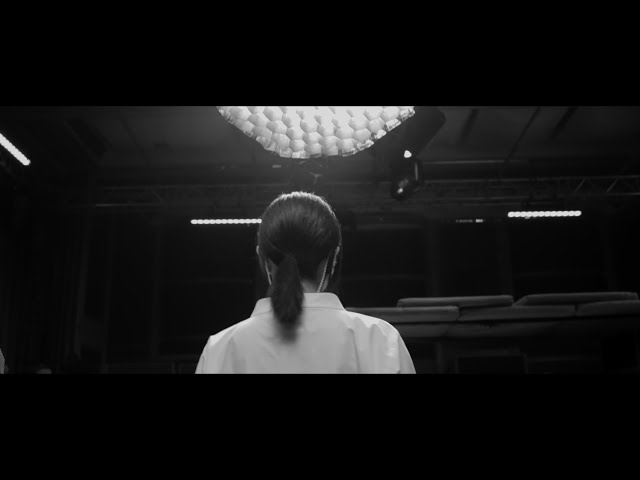
If you want to sink deeply into your emotions through a one-of-a-kind sonic world, Hikaru Utada’s piece is highly recommended.
It’s a song about that helpless, blind pull you can feel toward someone.
The pleasant, club-tinged beat layered with delicate, elegant synths creates a distinctive sense of weightlessness.
Released in November 2021, it was used as the theme song for the drama “Saiai,” perfectly mirroring the story’s heartrending atmosphere and generating a huge response.
Her light yet somehow wistful vocals gently steady the complex tremors of the heart.
It’s perfect for nights when you want to step away from the noise and face your own feelings.
Utada Hikaru Popular Song Rankings [2026] (11–20)
cherry blossoms drifting awayUtada Hikaru11rank/position

The layered structure that begins with quiet piano and strings and gradually unfolds into a solid, surging band sound is truly moving.
The lyrics, themed around parting, loss, and prayer, are exquisitely crafted, resonating deeply with a sense of poignancy and fragility.
It was newly written as the theme song for the film Evangelion: 3.0 You Can (Not) Redo, released in November 2012 while Hikaru Utada was on hiatus.
It also carries thoughts about the earthquake disaster, and later appeared on the album Fantôme, making it significant in her career.
Please give this song a listen when you want to keep moving forward despite a sense of loss, or on a quiet night when you want to reflect alone.
SAKURA DropsUtada Hikaru12rank/position

A classic by Hikaru Utada that layers the image of cherry blossoms scattering with the ache of love.
Released in May 2002 as a double A-side single with “Letters,” the song was used as the theme for the TBS drama First Love.
Over a supple beat rooted in R&B flows a melodious beauty reminiscent of traditional Japanese music, tightening the chest a little more with every listen.
While reflecting the sorrow of parting in the falling petals, the lyrics also exude a quiet inner strength that looks ahead, gently scooping up the raw emotions of love.
It reached No.
1 on the Oricon Weekly chart and also served as a centerpiece of the album DEEP RIVER.
When the spring breeze brushes your cheek and you find yourself wanting to revisit past loves and farewells, press play.
Hikaru Utada’s soaring voice will gently awaken feelings you almost forgot.
A midsummer passing showerUtada Hikaru13rank/position

The piano quietly seeping into the gaps of the heart, like a sudden summer rain, leaves a striking impression.
This heartrending yet beautiful ballad is by singer-songwriter Hikaru Utada, whose singular musicality continues to captivate listeners.
Released in April 2016, it was included on the album “Fantôme,” which drew attention as her first major comeback work in about eight years.
The piece portrays a profound sense of loss at the passing of a loved one, alongside a love that never fades.
It’s as if unending rain can’t quench the heart’s thirst—an aching feeling that the refined sound gently embraces.
If you listen on a night when you want to reset your heart, it might tenderly loosen the tension you’ve been holding.
AutomaticUtada Hikaru14rank/position
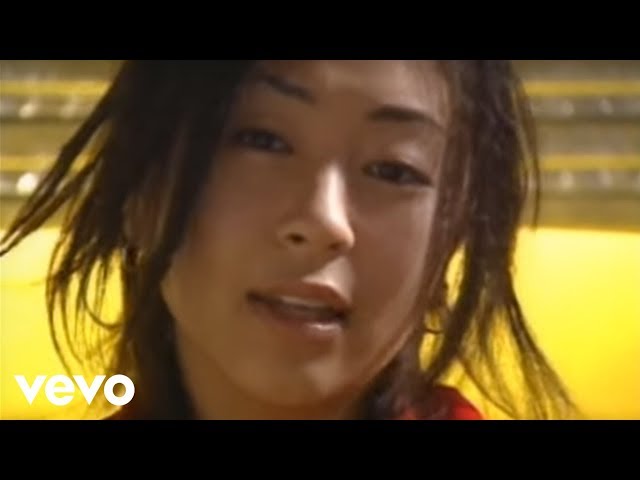
Utada Hikaru’s debut single stylishly expresses the feeling of overflowing love that can’t be contained just by being near someone.
It portrays the pure emotions of waiting for the phone to ring and the sense of relief that comes from hearing the other person’s voice, vividly capturing the complex heart of a girl in love, where joy and anxiety intertwine.
Released in December 1998, the song was used as the ending theme for the variety show “Warau Inu no Seikatsu – YARANEVA!! -” and quickly became a social phenomenon, achieving double-million sales.
The gals of the time surely resonated with its raw, authentic emotions.