

Songs with titles that start with “Sa”: a roundup you can use for shiritori or karaoke

What songs come to mind with titles that start with “Sa”? In this article, we’ll introduce songs whose titles begin with “Sa,” which are handy for games like song-title shiritori or karaoke with letter restrictions.
When you think of “sa,” many people picture sakura (cherry blossoms) that bloom beautifully in spring—and along with that, there are countless songs that have “sakura” in their titles.
Starting with the power word “sakura,” we’ve gathered a variety of songs whose titles begin with “sa.” Be sure to check them out and use them in different situations!
- A compilation of Vocaloid songs with titles that start with 'Sa'
- Masterpieces with titles that start with 'A'
- Songs with titles that start with “Su.” A collection of tracks useful for shiritori.
- Songs that start with “se”. Use them as references for shiritori or choosing tracks for karaoke!
- A roundup of songs that start with “So.” Perfect for word-chain games or picking karaoke tracks!
- A roundup of songs with titles starting with “Re.” Great for karaoke shiritori too!
- Songs that start with the letter “Shi.” Perfect for shiritori or karaoke!
- A compilation of Vocaloid songs with titles that start with 'Su'
- Songs with titles that start with “Za.” Great for karaoke and shiritori!
- A roundup of Vocaloid songs with titles starting with “Shi”
- Songs with titles that start with a number. Useful for karaoke or playlist selection.
- A big roundup of Vocaloid songs starting with 'So'! From mega-hits to hidden gems, all introduced at once
- Recommended for cherry-blossom viewing season! Classic sakura songs and spring tunes
Songs with titles starting with “Sa.” A roundup you can use for shiritori and karaoke (101–110)
Saga Prefectural SongSaga-ken

Composed in 1974, the song “Saga Prefectural Anthem” was created to commemorate the 90th anniversary of the Saga prefectural government and the hosting of the Wakakusu National Sports Festival.
The lyrics were selected through a public contest, and the music was composed by Ikuma Dan, with references throughout the lyrics to the region’s rich natural features, such as the Genkai Sea, the Ariake Sea, and Mount Tenzan.
Its stately melody evokes the pride of the prefecture’s residents and hope for the future.
A flexi disc was produced at the time, and a choral arrangement was performed in 2005, reflecting how the piece has been sung for many years.
It is a grand and powerful composition that conjures images of Saga’s beautiful landscapes.
Saitama Prefectural SongSaitama-ken

This march-style piece was created to unite the hearts of the prefecture’s residents in the lead-up to the 1967 Saitama National Sports Festival.
Its lyrics weave in natural beauties such as the Chichibu mountain range and the flow of the Tone River.
Established in September 1965 and released on record, it has the history of being born as the second generation, replacing the prewar original.
It is also used as the prefectural government’s telephone hold music, so many people may have heard it in unexpected places.
Sakura RabbitKawasaki Takaya

A single song depicting a protagonist who, on the verge of graduation, can’t bring themselves to confess their feelings to a crush.
It’s a moving number that resonates with the frustration of likening one’s own timidity to an animal.
It portrays a bittersweet love that reaches its farewell with nothing but words of gratitude left unsaid.
The track is by singer-songwriter Takaya Kawasaki, known for the hit “Mahou no Juutan” (“Magic Carpet”), released in January 2021 and later included on his June 2023 album Nukumori.
It’s said to reflect the feelings he had for an upperclassman when he was a senior in high school.
Add this quietly affecting piece to your repertoire, and it’s sure to become a powerful staple.
Goodbye, your townHanbaato Hanbaato

It’s a track so vivid you can almost feel the chill of the breeze on your skin and catch the familiar scent of your hometown streets.
The lyrics, where changing scenery intersects with unchanging memories, quietly tighten the listener’s chest.
Included on the album “Sasurai-ki,” released in November 2010.
It’s perfect not only for those leaving their hometown for school or work, but also for nights when you suddenly remember a place you once lived and slip into a sentimental mood.
Even so, the shopping streetMoriyama Naotaro

Starting with a rakugo-style narration and a sound brimming with festivity, this track leaves a strong impression with its lively development that follows.
The lyrics humorously depict vanishing landscapes, and despite their tinge of melancholy, they may also feel like a warm message.
The somewhat wistful melody is addictively memorable, isn’t it? This song is included on Naotaro Moriyama’s album “Yeeeehaaaaw,” released in October 2025.
Though it’s an album track, it has drawn major attention, with its music video—shot in a real town—becoming a hot topic.
It’s recommended for those moments when you want to reflect on the good old scenery while sensing the passage of time.
When you want to forget everything for a while and bask in a sense of freedom, be sure to give this one a listen.
Songs whose titles start with “Sa.” A roundup useful for shiritori and karaoke (111–120)
three peopleMakihara Noriyuki
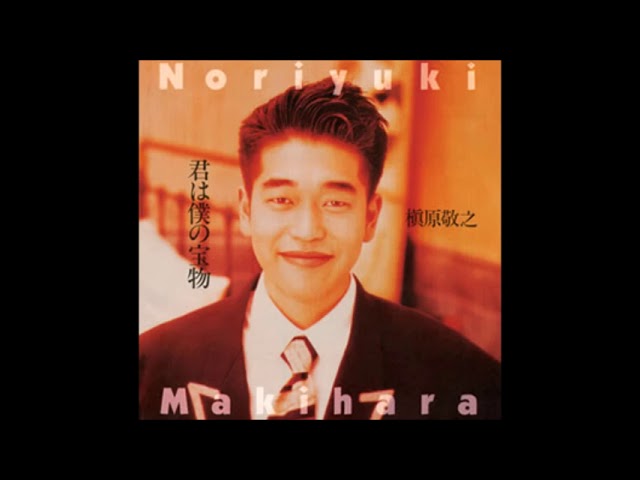
A heartwarming masterpiece based on a true story, included on the album “You Are My Treasure.” It’s a song of youthful memories that portrays living together with a slightly older couple and hopes for the future, and it remains a long-standing favorite among fans.
The overall vocal range is C#3–A4, with relatively calm lines in the verses and pre-chorus, then a slight rise in range from the chorus.
For the low notes, make sure not to let the resonance drop too much—focus on resonating in the head.
If that’s difficult, try raising your hand toward your head and aim your voice at your hand.
Keeping your attention upward will naturally lift your eyebrows, too.

Summer Ride (feat. ¥ellow Bucks)LANA

Based in her hometown in the Shonan area and earning massive support from Gen Z with a genre-defying sound, LANA is also drawing attention for her unique worldview encompassing fashion and visuals.
Among her works, the track we recommend for summer features guest artist ¥ellow Bucks.
Released as a single in July 2025, it stands out with a West Coast hip-hop style track produced by JIGG.
The lyrics depict an open, summery lifestyle, with imagery of drives and seaside scenery.
This piece interweaves the atmosphere of Shonan, LANA’s hometown, with that of the Tokai region where guest artist ¥ellow Bucks is based.
It’s perfect for coastal drives or summer moments with friends.
Be sure to check it out.