

Songs with titles that start with “Sa”: a roundup you can use for shiritori or karaoke

What songs come to mind with titles that start with “Sa”? In this article, we’ll introduce songs whose titles begin with “Sa,” which are handy for games like song-title shiritori or karaoke with letter restrictions.
When you think of “sa,” many people picture sakura (cherry blossoms) that bloom beautifully in spring—and along with that, there are countless songs that have “sakura” in their titles.
Starting with the power word “sakura,” we’ve gathered a variety of songs whose titles begin with “sa.” Be sure to check them out and use them in different situations!
- A compilation of Vocaloid songs with titles that start with 'Sa'
- Masterpieces with titles that start with 'A'
- Songs with titles that start with “Su.” A collection of tracks useful for shiritori.
- Songs that start with “se”. Use them as references for shiritori or choosing tracks for karaoke!
- A roundup of songs that start with “So.” Perfect for word-chain games or picking karaoke tracks!
- A roundup of songs with titles starting with “Re.” Great for karaoke shiritori too!
- Songs that start with the letter “Shi.” Perfect for shiritori or karaoke!
- Songs with titles that start with “Za.” Great for karaoke and shiritori!
- A compilation of Vocaloid songs with titles that start with 'Su'
- A roundup of Vocaloid songs with titles starting with “Shi”
- Songs with titles that start with a number. Useful for karaoke or playlist selection.
- A big roundup of Vocaloid songs starting with 'So'! From mega-hits to hidden gems, all introduced at once
- Recommended for cherry-blossom viewing season! Classic sakura songs and spring tunes
Songs whose titles start with “Sa.” A roundup useful for shiritori and karaoke (491–500)
Sun Sun Exercisedoriimingu

This cheerfully upbeat piece, hugely popular with children, is a gymnastics song released in August 1995.
Its charm lies in the cute choreography inspired by sunshine and a catchy, rhythmic melody that makes you want to hum along.
In the Anpanman world sung by Dreaming, children can join in naturally with smiles.
It’s perfect for livening up a school sports day, as kids can happily dance along with Anpanman and his friends.
The song is also included on the album “Soreike! Anpanman Best Hit ’21” and is beloved by many children as the ending theme of the TV anime “Soreike! Anpanman.” With a setting that feels like taking a walk with Anpanman and his friends, dancing to it together at a sports day will make for wonderful memories.
In that casemakaroni enpitsu

It’s a love song that beautifully captures fresh memories of youth and the aching pain of unrequited love.
Created by Macaroni Enpitsu, the piece portrays unreturned feelings and longing for someone from a warm, gentle perspective.
Its sweet, wistful vocals and melodious sound tenderly embrace the complexities of being in love.
Released in January 2025, it serves as the opening theme for the second cour of the TV anime Ao no Hako.
Seamlessly harmonizing with the anime’s worldview, it succeeds in expressing the vivid emotions of youth through music.
This heartwarming track resonates deeply not only with those currently in love but also with anyone who recalls a past romance.
S.A.K.U.R.A.Sandaime Jē Sōru Burazāzu fromu Eguzairu Toraibu

A dance number infused with traditional Japanese flavor brings out the distinctive expressive power of Sandaime J Soul Brothers from EXILE TRIBE to the fullest.
While themed around graduation and parting, it moves listeners with delicate scenic depiction and deep emotional expression.
Released in March 2014, it was also selected as the ending theme for TV Asahi’s “Onegai! Ranking.” Included on the albums “PLANET SEVEN” and “THE JSB WORLD,” this track is an impressive piece that fully showcases the members’ dance performance and vocal appeal.
It’s a song that colors the spring season, perfect for those embarking on a new chapter or for moments when you want to immerse yourself in precious memories.
When cherry-blossom hues danceNakajima Mika
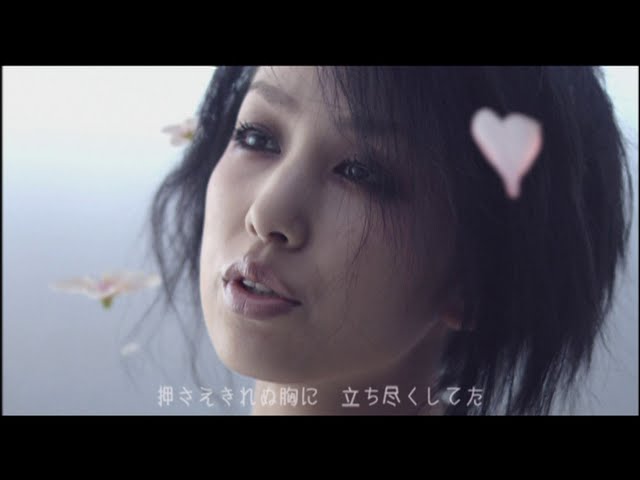
A classic song that overlays the fleeting beauty of cherry blossoms with the bittersweetness of spring and memories of love.
Its delicate piano and string arrangement strikingly highlights Mika Nakashima’s deep, resonant vocals.
While accepting farewells and change, the longing for eternity is beautifully expressed alongside the cherry blossom scenery, a hallmark of spring in Japan.
Released in February 2005, the song was also included on the album “MUSIC” in March of the same year.
With its straightforward emotional expression and lyrical melody line, it’s a moving track—highly recommended for those who want to immerse themselves in the poignant feelings that come with the arrival of spring.
SOMEDAYSano Motoharu

A gem of a song that portrays the brilliance of youth and its end with a powerful sound and lyrics that resonate deeply.
One of Motoharu Sano’s signature works, it weaves together the emotions that accompany young love, dreams, and growth with a beautiful melody.
Its universal themes of graduating from innocence and growing into adulthood have left a lasting mark on many hearts.
Released in June 1981 and later included on the album of the same name the following year, the song was also featured in 1989 as the CM track for JR Tokai’s “Fight! Express” campaign.
Celebrating the importance of holding on to dreams and ideals, it continues to be cherished as an anthem that stands by those at life’s crossroads, giving them the courage to take a new step forward.
Sakura: To You Who Couldn’t GraduateHanzaki Yoshiko

This is a song by Yumiko Hanzaki that expresses the arrival of a bittersweet season when we must face parting with dear friends.
It was included on the mini-album “Utaben,” released in April 2017, and was produced by Seiji Kameda.
The steady, narrative delivery intertwined with a pang in the chest, and the warm voice directed to a loved one who has departed for heaven, strike the heart alongside a gentle, reassuring melody line.
While it’s a standard song for graduation season, it’s also a piece that, not only in spring but throughout the year, prompts us to remember those we hold dear.
Thiiird eye!!!!Wada Takeaki

An edgy rock track that captures the emotions of a protagonist who can see through others’ true nature.
Composed by Takeaki Wada, it was released in February 2025 and became a hit, ranking 5th in the Bokakore Winter 2025 TOP 100.
Its unique appeal lies in a worldview where the protagonist, endowed with a third eye that glimpses others’ inner selves, cherishes their shadows and true feelings.
With a catchy melody and energetic guitar sound, it’s irresistibly replayable.
Highly recommended for those who want to fire up a crowd!