

[2026] Spine-Chilling Scary BGM | Compilation

Nowadays, thanks to platforms like TikTok and Instagram, anyone can thrive as a video creator.
In fact, especially among students, many people are actively engaged in these kinds of social media activities.
This time, our theme is a collection of scary BGM tracks we highly recommend for creators like you.
We’ve selected spooky background music that can be used in a variety of situations—not only for short-form videos, but also for longer content like YouTube videos, school performances, parties, and more.
- [2026] Eerie BGM That Stokes Fear | Compilation
- A spine-chilling, terrifying song. Japanese music that evokes madness and horror.
- Scary Sounds: Sound Effects and Horror Ambience
- BGM for a haunted house. Scary music.
- [Ghosts & Yokai] Horror Song Collection [Monsters & Zombies]
- A fearsome and beautiful masterpiece: Themes from terrifying film scores
- A spine-chilling scary song: masterful tracks that evoke fear and eerie recommended songs
- Chills down your spine. A collection of Vocaloid songs that are scary but irresistibly listenable.
- [2026] Recommended for work and study! A collection of cool and stylish BGM
- [2026] Boost Your Focus! Recommended BGM for Meditation | Summary
- [2026] A roundup of popular and recommended Halloween songs for YouTube Shorts
- [2026] Perfect for Halloween Parties! A Collection of BGM for Halloween and Horror Movies
- [2026] A roundup of popular and recommended stylish songs for YouTube Shorts
[2026] Hair-Raising Scary BGM | Compilation (1–10)
Silent HillNEW!Yamaoka Akira

This is an iconic track that opens the first Silent Hill, composed by Akira Yamaoka, steeped in an eerie, arid atmosphere.
Released in March 1999 as the first track on the album SILENT HILL ORIGINAL SOUNDTRACKS, it has long been cherished as the face of the series.
A mournful mandolin melody coexists with gritty noise, compressing psychological terror and nostalgia into under three minutes.
More than mere background music, it functions as part of the game’s overall sensory design—evoking the fog-shrouded town and the player’s sense of isolation.
It was later released on vinyl as the album Silent Hill Original Video Game Soundtrack.
It’s a must-listen for those who want to experience fear that creeps in gradually through sound alone, without relying on visuals.
AstraZeneca “Atherosclerotic Disease Onset Prevention Awareness Campaign” TV Commercial SongNEW!Kaori Takeda

Here’s a song featured in AstraZeneca’s “Atherosclerotic Disease Prevention Awareness Campaign” commercial.
The vocalist is Kaori Takeda, who is also active with the unit TICA.
In a brief span of just about 35 seconds, it employs a structure where mysterious, incantation-like words are repeated, striking a captivating balance between unease and memorability.
The track was included on the compilation album “Magalog -Kaori Takeda CM Song Book-,” released in November 2011, and many listeners were likely captivated by the uncanny resonance that drifted from their TVs.
You can’t help but feel a chill run down your spine at the sense of the extraordinary suddenly appearing within the everyday and the eerily unsettling atmosphere.
Garamon SongNEW!Kuniaki Haishima
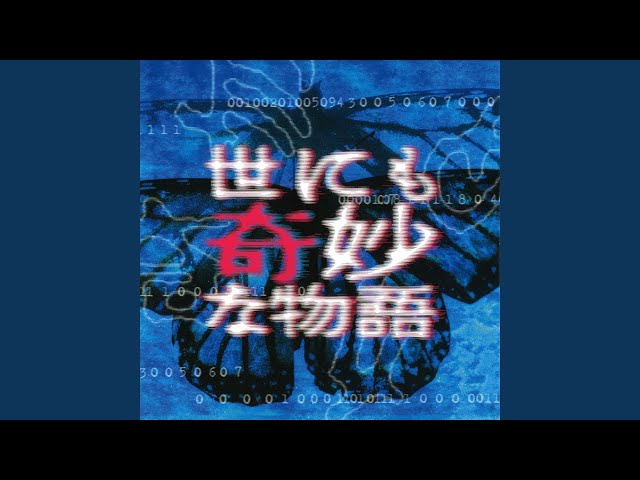
It’s a track that’s eerie yet strangely alluring.
Composed by Kuniaki Haishima, the “Garamon Song” has long been cherished as the theme for the Fuji TV drama series “Tales of the Unusual,” which began in April 1990.
Within its brief running time, it packs in unease, an otherworldly atmosphere, and a touch of charm, whisking you into the extraordinary the moment you hear it.
There’s also an anecdote that it’s named after the kaiju Garamon, giving it not only a sense of fear but also a cartoonish ring.
It’s the perfect piece when you want to add a bit of刺激 and a cool shiver to your day.
Highly recommended for those who want to savor an absurd, uncanny mood.
[2026] Spine-Chilling Scary BGM | Compilation (11–20)
Ringtone of DeathNEW!Endō Kōji

This score is famous as part of the soundtrack to the smash-hit horror film One Missed Call.
It’s included on the album One Missed Call Original Soundtrack, released in January 2004, and was composed by Koji Endo.
It brilliantly captures the terror of a story that makes anyone shudder: a sound from a cell phone that foretells your own death from the future.
Though it’s only about a minute long, this piece maximizes a clinging sense of unease.
There’s also a behind-the-scenes twist—that it’s paired with another track on the same album that serves as the original song—which adds to the sense of madness.
Highly recommended for those who want to fully savor the chilly fear lurking in everyday life.
SuspiriaNEW!Goblin

If you’re looking for eerie, spine-chilling music, how about this classic? It’s a signature work by Goblin, a band that epitomizes the fusion of Italian prog and film music.
Composed as the main theme for Dario Argento’s 1977 film and released as a single in Italy in May of that year, it’s also included on the soundtrack album “Suspiria: The Complete Original Motion Picture Soundtrack.” The uncanny construction—repeating celesta and bell tones combined with incantatory voices—evokes the presence of witches.
It’s a timeless staple, and even if you’ve never seen the film, it’s perfect for anyone who wants to feel a fear that seems to close in from beyond the frame the moment they listen.
Pictures at an Exhibition: 1. The GnomeNEW!Mussorgsky, Modest Petrovich

Pictures at an Exhibition, a piano suite composed by the Russian composer Modest Mussorgsky.
It is said that he completed the entire work in only about 20 days, and its first piece, “Suite ‘Pictures at an Exhibition’ 1.
Gnomus,” depicts in sound an eerie, somewhat nightmarish presence.
Although composed in 1874, the piece initially went unpublished and only came to light posthumously in 1886.
Today, it has become widely familiar through television and film.
Rather than polished beauty, it foregrounds strangeness and abrupt shifts of expression, drawing listeners into an extraordinary realm—a quintessential example of “scary classical music.”
The Nutcracker: Dance of the Sugar Plum FairyNEW!Pyotr Tchaikovsky

This work depicts the mystique of fairies within The Nutcracker, the masterpiece ballet known to all.
The clear tone of the celesta—a percussion instrument Pyotr Ilyich Tchaikovsky encountered in Paris—overlaps with shadowy responses from the lower instruments, creating an unsettling resonance within its transparency.
Premiered as an orchestral suite in March 1892, it was later used in Disney’s Fantasia, released in November 1940, and has long been cherished as music that colors the winter season.
Beneath its cuteness lies a sensation like chilly magic dust drifting through the air—perfect for those who wish to savor a tingling, extraordinary, and mysterious atmosphere.