

[Nostalgic Songs] A collection of tear-jerking Japanese tracks recommended for men in their 70s

What kind of music is a “tearjerker” for you?
Maybe it’s a song that brings to mind the scenery of your hometown, or a tune that your family or a past lover used to love—there are probably many pieces that come to mind.
In this article, we’ve put together a selection of tear-jerking Japanese songs with the theme “Recommended for men in their 70s.”
We’ve focused mainly on hit songs from the 1960s and 1970s.
We’re introducing nothing but timeless masterpieces that touch the heart.
Please take your time and listen while reminiscing about those days.
- Karaoke songs you’ll want to sing for men in their 70s: Enka and nostalgic Showa-era pop
- [Recommended for people in their 70s] Classic nostalgic hits: A collection of youth songs
- Tear-jerking songs for women in their 70s: from Showa-era classics to Heisei hits
- [Recommended for people in their 70s] Songs that really move you. Beloved classic Japanese hits of the past.
- Recommended heartbreak songs for men in their 70s: A collection of poignant, nostalgic classics
- Songs I want men in their 70s to sing: a roundup of tracks I'd like to hear at karaoke
- Breakup songs recommended for people in their 80s: a collection of classic tracks that capture heartbreaking feelings
- Energizing songs recommended for men in their 70s: A roundup of nostalgic power tracks
- [2026] Recommended karaoke songs for women in their 70s: from enka to Showa-era pop
- Tear-jerking songs for men in their 80s: a collection of timeless masterpieces that touch the heartstrings
- Nostalgic Days of Youth: A Collection of Western Music Recommended for Men in Their 70s [2026]
- Easy-to-sing songs recommended for men in their 70s: A collection of classic hits you’ll want to sing at karaoke
- [For men in their 70s] A collection of easy-to-sing songs even for people who are tone-deaf
[Nostalgic Songs] A Collection of Tear-Jerking Japanese Tracks Recommended for Men in Their 70s (21–30)
Sad SakeMisora Hibari

Sad Sake, released in 1966 by Hibari Misora—the songstress who illuminated the Showa-era pop scene—is a deeply emotional piece that portrays entrusting the pain of heartbreak to alcohol.
At the time of its release, it sold over 1.45 million copies and has continued to be cherished as one of her signature songs.
Misora’s distinctive, deeply expressive voice strikes listeners to the core and leaves an unforgettable impression.
Moreover, the emotional expression she displays when performing this song allows listeners to share in its sorrow, evoking profound empathy.
Please take the time to listen closely.
Goodbyeofukōsu
A classic ballad that intertwines the emotions of two people sensing a breakup with an atmosphere that evokes the coming of winter.
Known as a signature work by the popular band Off Course, it was released as a single in December 1979.
It reached No.
2 on the Oricon chart at the time, and was also used as the theme for the TBS drama “Gekiai: Sangatsu made no…” and in a Daihatsu commercial.
The sorrow of a love nearing its end is beautifully wrapped in Kazumasa Oda’s clear, translucent vocals.
Despite the sad lyrics, listening to it somehow calms the heart and brings a sense of peace, doesn’t it? It might be lovely to sip some warm tea and let conversation blossom with bittersweet memories of youth.
SubaruTanimura Shinji

As a masterpiece that resonates with a grand sense of scale and deep lyricism, I’d like to introduce one of Shinji Tanimura’s signature works this January.
Released in 1980, this song evokes the vastness of the universe and starry skies while depicting life’s journey and hope.
It is included on the album “Subaru,” and has been sung at life’s milestones such as graduation and farewell ceremonies.
With Tanimura’s rich, resonant voice and a sonic landscape that expands beautifully from guitar tones to strings, it warms the listener’s heart.
As the new year begins, why not hum it while reflecting on the road you’ve traveled so far? If we sing it together, our spirits are sure to lift.
coniferNoguchi Goro

This is a song released by Goro Noguchi in 1976 that overlays the bittersweetness of winter love with snowy scenery.
The lyrics were written by Kotaro Aso and the music composed by Kyohei Tsutsumi, and it reached No.
2 on the Oricon Weekly Chart.
Like a dignified conifer standing tall, it portrays a man who continues to care for his former lover even after their breakup, where sadness and kindness intersect.
The contrast between strength that does not wither in the cold wind and sighs as cold as snow is striking.
With this work, Goro Noguchi won the Vocal Performance Award at the Japan Record Awards, and he also performed it on the NHK Kouhaku Uta Gassen.
Why not listen to it while recalling an old romance or picturing a winter scene? It can also be a great prompt to share memories with fellow residents at the facility.
A life full of scarsTsuruta Koji
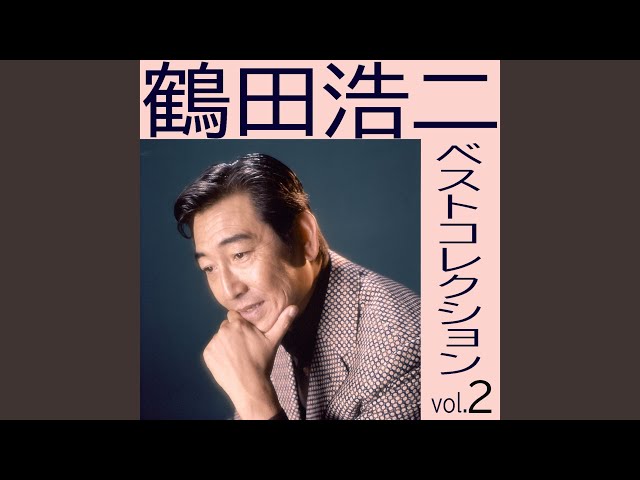
Koji Tsuruta was a major star of the Showa era, embodying both deep melancholy and rugged charm as an actor and singer.
In particular, “A Life Full of Scars,” released in 1971, was a significant milestone in his music career.
The song explores profound themes of reexamining one’s own existence while depicting life’s hardships through the harshness of society and the complexity of human relationships.
Its wistful melody and lyrics that question the meaning of life resonated with many.
It’s recommended for those who want to reflect on the past and contemplate the meaning of life.
Sanguisorba officinalis (Great burnet)sugimoto masato

Masato Sugimoto, known for his gentle and warm singing voice, created a heartwarming piece imbued with deep love for his late mother.
Released by Teichiku Entertainment in February 2007, this work marked a major turning point in his career as a singer.
Alongside a melody full of tenderness, it carefully weaves themes of life’s fragility and feelings for one’s family, resonating with many listeners.
Used as an insert song on TV Tokyo’s music program “Yoko’s Enka Straight Line,” it also earned him a spot in that year’s NHK Kouhaku Uta Gassen.
With its warm vocals and lyrics that touch the heart, this is a song you’ll want to sing slowly at karaoke as you look back on memories with your family and friends.
Words of FarewellKaientai
It’s a beloved song with a gentle melody that accompanies moments of departure and farewell, carrying a warm message.
It carefully speaks to life lessons such as “loving someone deeply,” “accepting sorrow through tears,” and “trusting others and moving forward.” The lyrics were written by Kaientai’s leader, Tetsuya Takeda, based on a heartbreak he experienced in college, and the many words that strike the heart are especially compelling.
Released as a single in November 1979, it was chosen as the theme song for the first season of the TBS drama Mr.
Kinpachi in Class 3B, starring Tetsuya Takeda.
For older adults who have experienced the loss of a family member, it is sure to be a song that resonates deeply.
By reminiscing together or keeping time with handclaps to the melody, everyone can share a peaceful moment.