

[For men in their 70s] A collection of easy-to-sing songs even for people who are tone-deaf

Men in their 70s likely grew up listening to enka and kayōkyoku in childhood, and folk music and rock ’n’ roll in their youth, didn’t they?
In this article, we’ll introduce songs recommended for men in their 70s who experienced that whirlwind music scene in real time.
Rather than simply listing famous tunes, we’ve selected tracks that are easy to sing even for those who struggle with pitch.
We’ve also included professional vocal insights, so be sure to read to the end!
- Karaoke songs you’ll want to sing for men in their 70s: Enka and nostalgic Showa-era pop
- Easy-to-sing songs recommended for men in their 70s: A collection of classic hits you’ll want to sing at karaoke
- [For women in their 70s] A collection of songs that are easy to sing even for people who are tone-deaf
- [For Seniors] Crowd-Pleasers! A Collection of Classic Karaoke Songs
- [Recommended for people in their 70s] Classic nostalgic hits: A collection of youth songs
- [Recommended for people in their 70s] Songs that get everyone excited. Songs you’ll want to sing at karaoke.
- [Karaoke] Songs That Get Men in Their 70s Fired Up! A Collection of Nostalgic Japanese Hits [2026]
- [Men in their 60s] Even if you're not good at singing, it's okay! Easy-to-sing songs for karaoke
- Easy-to-sing songs recommended for men in their 80s: Showa-era classics to perform at karaoke
- Recommended love songs for men in their 70s: A collection of nostalgic love songs
- [Nostalgic Songs] A collection of tear-jerking Japanese tracks recommended for men in their 70s
- [Karaoke] Recommended Songs for Men in Their 80s: A Collection of Showa-Era Classics You’ll Want to Belt Out
- [Recommended for people in their 70s] Songs that really move you. Beloved classic Japanese hits of the past.
[For men in their 70s] A collection of easy-to-sing songs even for the tone-deaf (21–30)
Tokyo lights, foreverShinkawa Jirō

Because enka requires applying kobushi (melismatic bends), it tends to be harder to sing than typical J-pop.
Even so, I imagine many men in their 70s still want to sing enka.
In that case, I recommend Tokyo no Hi yo Itsu Made mo.
Compared to standard enka, this song has a somewhat plain vocal line.
As a result, the instances of kobushi are relatively few for enka, and the ones that do appear are on the easier side.
Although the piece sits a bit higher in range, it doesn’t demand many long sustained notes, so anyone who can produce moderately high tones should be able to sing it without issue.

Look up at the stars in the nightSakamoto Kyu

Kyu Sakamoto’s classic “Ue o Muite Arukō (Look Up at the Stars at Night)” remains beloved by many even today.
Its greatest charm is, above all, its kindness-filled melody.
In essence, a “kind” melody means a gentle, calm vocal line.
Because there aren’t abrupt jumps in pitch, many people—even men in their 70s—may find it easy to sing.
The key to singing it well is to nail the starting pitch of the A melody section.
That part only comes once, so if you get through it, the rest is easy.
Focus on repeatedly practicing just the opening phrase.
Love VacationZa Pīnattsu

A refreshing love story unfolding by the summer seaside resonates in the heart with a light, buoyant rhythm.
With a swinging feel that incorporates jazz’s four-beat, it’s a song everyone can enjoy together with handclaps.
Its lovely lyrics and melody bring back nostalgic memories of youth.
The beautiful harmonies of The Peanuts gently wrap the sweet moments by the shore.
Released in April 1963 and performed at that year’s 14th NHK Kōhaku Uta Gassen, the piece was also used as the campaign song for Toray’s summer wear “Vacance Look.” It’s a gentle, singable number, perfect for recreational activities at care facilities.
Since it’s a melody everyone knows, simply clapping along or swaying to the beat is more than enough to enjoy it.
Let’s get married.yoshida takurou
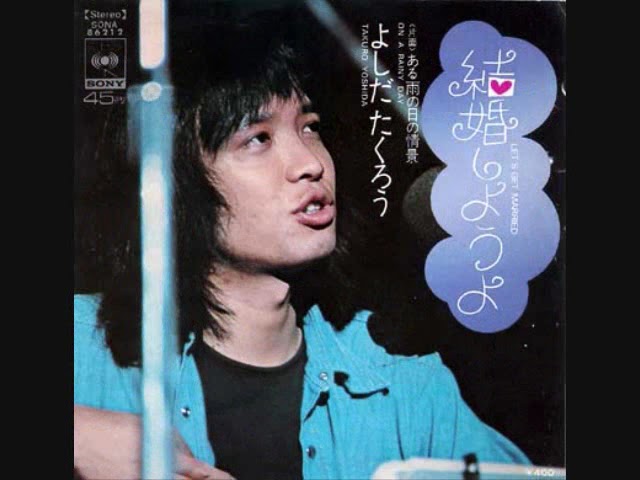
This work is memorable for its translucent, beautiful melody and sweet, poignant vocals.
Released in 1972, the song marked a major turning point in the history of folk music.
Centered on acoustic guitar, its warm sound creates an atmosphere that gently envelops feelings of love.
While poetically depicting springtime scenes, Takuro Yoshida expresses sincerity and pure affection.
Simple yet profound in its message, this classic reached a peak of No.
3 on the Oricon weekly chart.
Its heartwarming, gentle tone and tender vocal timbre enrich everyday moments.
It’s a song to savor slowly on a blossoming spring day, reminiscing with those of the same generation as memories come into full bloom.
Spring has come.Monbushō shōka

Set to the gentle melody of a Ministry of Education song, this piece depicts the calm arrival of spring.
The scene of spring returning to the mountains, villages, and fields spreads through a warm, tender vocal line.
Its tranquil tune vividly conveys the imagery of spring among Japan’s four seasons, imbued with a love for nature and the changing times of year.
Included in 1910 for the third grade of the “Elementary School Songs,” it was created by the renowned duo Tatsuyuki Takano and Teiichi Okano.
Featured in many music textbooks and song collections, it has often been performed at entrance ceremonies and spring events.
This work soothes the heart, making it a piece to enjoy slowly by a window in the warm sunlight.
It is a wonderful song for sharing the joy of spring’s arrival together with older adults.
Waltz of StarlightSen Masao

Enka singer Masao Sen has produced many hit songs with his catchy enka style.
I imagine many men in their 70s frequently listened to his music when they were in their 20s and 30s.
Among Sen’s songs, one I especially recommend is Hoshikage no Waltz.
Within the enka genre, this piece is very easy to sing.
While it doesn’t lack kobushi (melismatic embellishments), the difficulty of the kobushi is low, making it an enka song that’s easy to sing even for those who aren’t confident singers.
Just as there are stars in the skyAraki Ichiro

Ichiro Araki was a multitalented performer who was active in various fields, including acting, singer-songwriter work, musicianship, and novel writing.
Among the many songs he created, the one I especially recommend for men in their seventies is Sora ni Hoshi ga Aru Yō ni (As There Are Stars in the Sky).
While the slightly Hawaiian-tinged timbre is striking, the song as a whole is arranged as orthodox J-pop, and its vocal range is relatively narrow.
For that reason, it’s a particularly singable piece for those who find it difficult to produce high or powerful notes.