

Shiina Ringo’s Best and Most Popular Songs: From Hit Singles to Hidden Gems, All in One Guide!

With a singular voice you can’t forget after a single listen and a one-of-a-kind worldview, Ringo Sheena continues to captivate Japan’s music scene.
Her many masterpieces have been etched into the hearts of people across generations.
In this article, we’ll pick a wide range of her songs—from massive hits to hidden gems beloved by core fans.
We’ll delve into the allure of works woven from razor-sharp word choice, delicate emotional expression, and an unparalleled expressive power.
Please enjoy the many inventive tracks crafted by Ringo Sheena.
- Ringo Sheena’s Most Moving Songs and Popular Tracks Ranking [2026]
- Shiina Ringo Popular Songs Ranking [2026]
- [Ringo Sheena] A roundup of karaoke songs that are easy to sing even for beginners
- Overwhelmed by the lyrical world! Shiina Ringo’s masterpiece
- Ringo Sheena’s Most Popular Karaoke Songs Ranking [2026]
- Debut songs by Japanese female artists [Shocking hits & must-know classics]
- Chihiro Onitsuka's classic and popular songs
- Ringo Sheena Love Songs & Popular Tracks Ranking [2026]
- Sheena Ringo Mutual Love Songs: Most Popular Tracks Ranking [2026]
- A masterpiece sung by Kagamine Rin. Recommended popular Vocaloid songs.
- Classic songs about women. Recommended popular tracks.
- Ayaka’s masterpieces and popular songs
- Songs Men Want Women to Sing at Karaoke: Irresistible Tracks [2026]
Ringo Sheena’s Masterpieces and Popular Songs: A Comprehensive Showcase from Hit Singles to Hidden Gems (51–60)
17Shiina Ringo

The B-side of the single “Crime and Punishment.” It’s sung in English, and it seems to express how she felt at seventeen.
For a B-side, the quality is truly outstanding.
It’s a quintessentially Ringo masterpiece and good enough to stand as a single on its own.
Of course, it’s also included on “Watashi to Hoden.”
blue skyShiina Ringo

This one is also a coupling track, included on “Instinct.” It’s a poppy, cute song that offers a glimpse of Ringo’s brighter side.
When I first heard it, I realized just how wide the stylistic range could be even for the same artist.
Both the melody and lyrics of the chorus are outstanding.
Put it on when you want something warm and easygoing.
a typical womanShiina Ringo

A track included on the 5th album “Hi Izuru,” released on November 5, 2014.
There’s an anecdote that after releasing the single “Carnation,” she first learned—prompted by questions from men—that the lyric “the one and only” referred to something only women could truly understand, which led her to create a song that conveys that nuance in a way accessible to all genders.
The piece depicts the moment when everything arrives at once—despair, hope, loneliness, and joy—emotions uniquely experienced at a turning point in a woman’s life.
Iroha nihohetoShiina Ringo

A track from the fifth album Hinode, released on November 5, 2014.
It was written on commission as the theme song for the drama Kamo, Kyoto e Iku: Shinise Ryokan Okami no Nikki.
You can hear a very striking harpsichord right from the intro, performed by former Tokyo Jihen member Ichiyo Izawa (appa, the HIATUS), who took part in the recording.
Ringo Sheena’s Masterpieces and Popular Songs: A Comprehensive Introduction from Hit Singles to Hidden Gems! (61–70)
Apple SongShiina Ringo
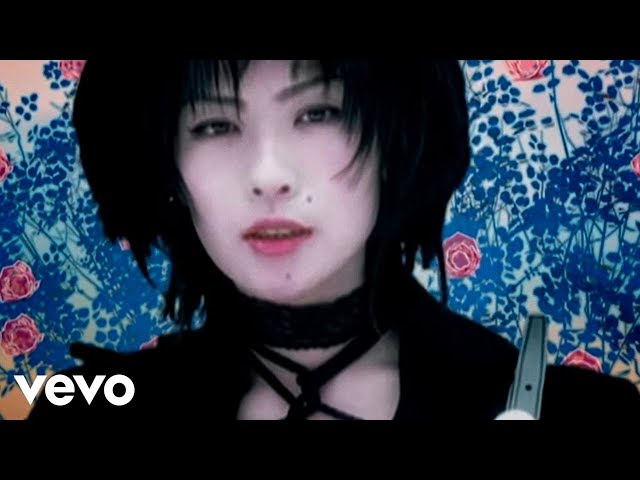
Title track of the 9th single “Ringo no Uta,” released on November 25, 2003.
Motivated by her wish for children to listen, the lyrics and credits are written in hiragana.
より親しみやすくするために、この曲は大河ドラマ『新選組!』やテレビドラマ『HERO』の音楽で知られる服部隆之によるラテン風アレンジが施されている。その後2004年、彼女は同年結成した自身のバンド・東京事変のデビューアルバム『教育』で、タイトルを改めた「林檎の唄」としてセルフカバーを再録音した。
carnationShiina Ringo

A track from the 5th album “Hi Izuru,” released on November 5, 2014.
It was the theme song for the NHK morning drama series Carnation.
Featuring grand orchestration that builds an expansive world and a captivating harp tone, it’s a song brimming with femininity.
The production started from the sound, with the lyrics completed later after an additional round of refinement.
The arrangement was a collaboration with conductor and violinist Neko Saito.
When the melody first came to mind, the idea simultaneously emerged for a harp in the background with the strings coming in, so the request was made to Saito, leading to the completion of the track.
mellowShiina Ringo

It was included on the single collection Zecchōshū as the track Tensai Preparāt and was later re-included on Watashi to Hōden.
Ringo liked the song composed by guitarist Makoto Toya and co-wrote it, and in 2008, the 10th anniversary of her debut, a music video was produced—making it a song with a number of unusual circumstances even among Ringo’s works.