

Short maxims by great figures that you’ll want to etch into your heart and remember

When it comes to living our lives, doesn’t everyone have their own guiding principles?
They can take many forms—relationships, work, romance, and more.
Because the criteria we use to make decisions lead directly to our actions, having a consistent core makes life easier both for yourself and for those around you.
With that in mind, here are some short maxims left to us by great figures of the past.
If you don’t yet have a clear set of guiding principles, I hope you’ll find something in this article.
And of course, even if you already have your own philosophy, I encourage you to take a look!
- Beautiful words by great and famous people that illuminate life
- You can see philosophy and a way of life through words. Short famous quotes by historical figures.
- Short quotes that resonate with the heart. Words that reach you effortlessly.
- You might even find your motto—short phrases that leave a lasting impression.
- Knowing this will surely ease your heart… Comforting words from great and famous people.
- Uplifting words by great figures and famous people that, despite their brevity, convey a sense of philosophy.
- If you know them, they’ll surely guide your life! Important words to etch into your heart
- Words from great and famous people that make you forget negativity in an instant!
- Heartfelt! Inspiring Quotes Left by Great Figures of Japan
- Knowing this will surely make you feel positive! Beautiful, heart-touching words
- It’s sure to resonate most with those who are striving! Words of encouragement from great figures and famous people.
- [Heart-Touching] Quotes That Keep You Going Anytime! Fiery Words That Push You Forward
- Witty quotes by great figures and celebrities where wordplay shines even in brevity
I want to engrave these in my heart! Short aphorisms (21–30) by great figures you should remember
As you stretch yourself to broaden your horizons, it’s possible you’ll actually grow taller. That’s part of what makes life interesting.Saburō Shiroyama
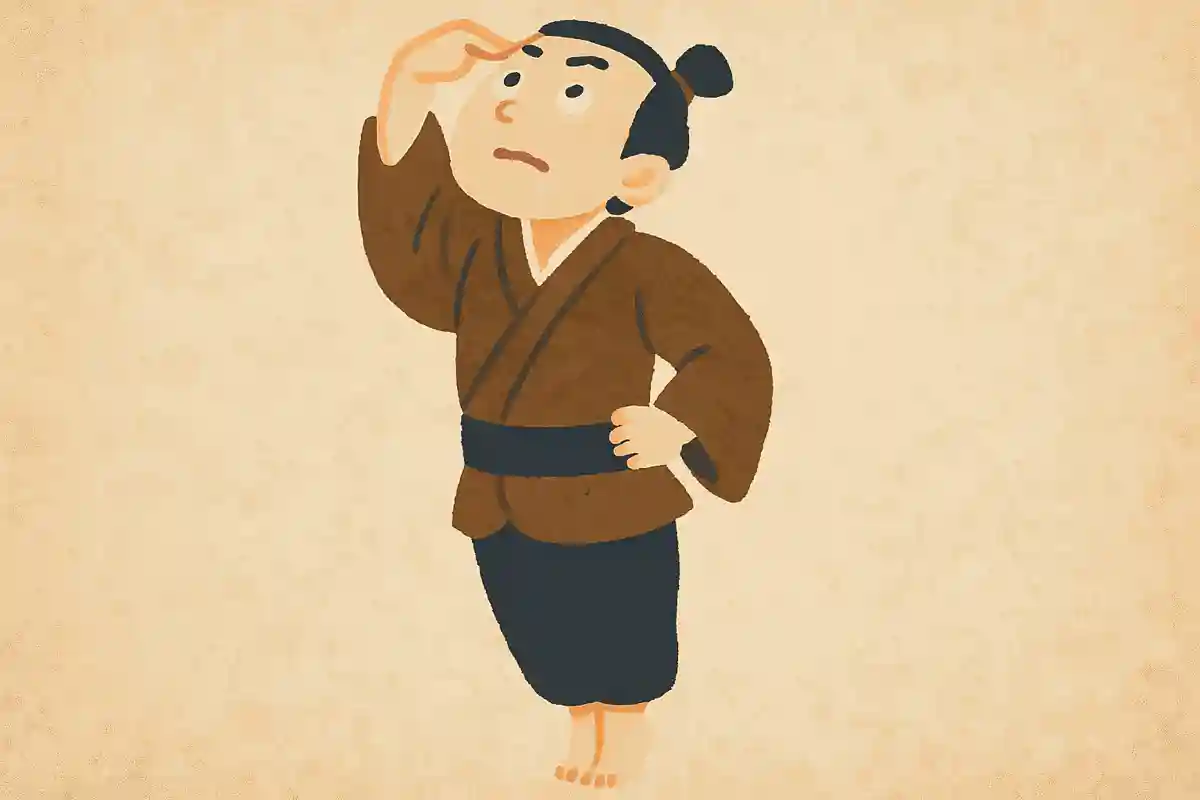
This quote left by the novelist Saburō Jōyama teaches us the importance of taking on challenges.
Don’t you sometimes find yourself thinking with a narrow perspective? It’s easy to let yourself be carried along without broadening your view or attempting anything new.
But if you widen your perspective just a little, you may realize that what you face is easier to overcome than you thought.
When you stretch yourself to take on a challenge, you begin to see a different landscape—as if you’ve actually grown taller.
When you want to take that first step, remember these words.

Don’t rush. But don’t give up.Shigeta Saitō
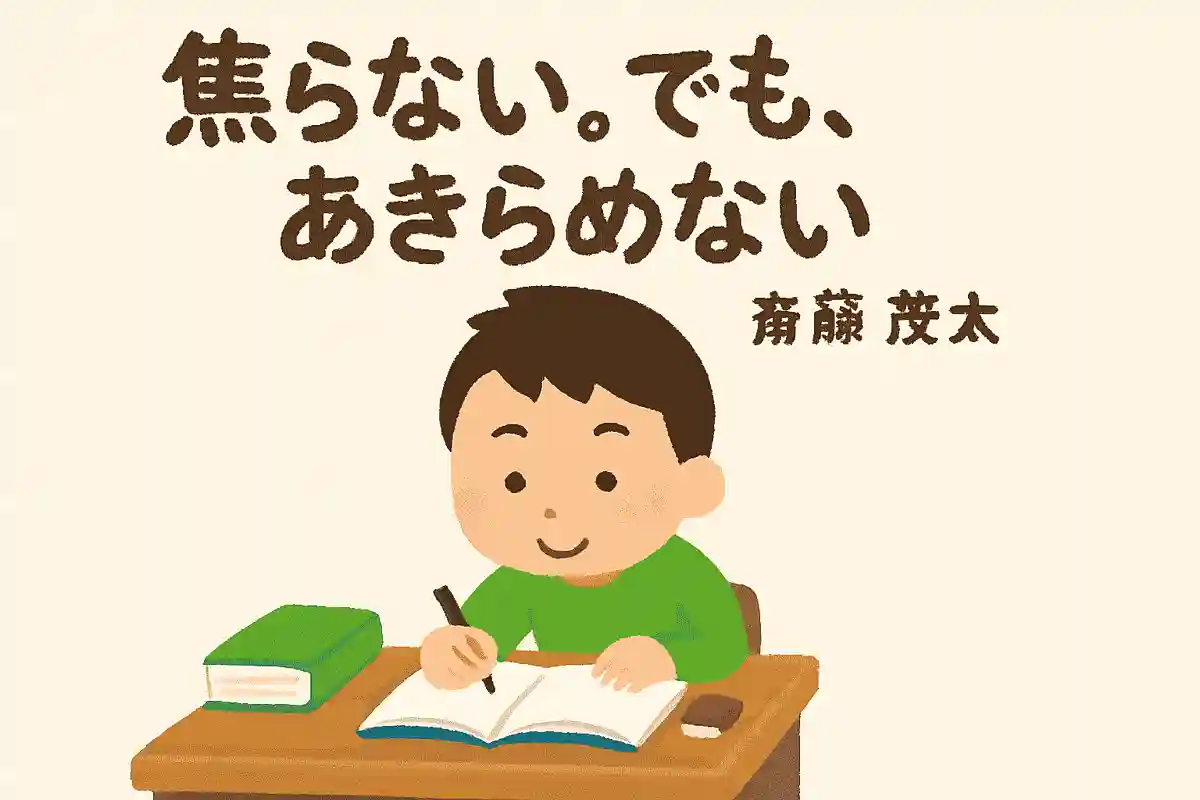
These are the words of Shigeta Saito, a psychiatrist who has supported many people’s hearts and conveyed ways of living through numerous writings.
When we keep making an effort, there are moments when we want to rush the results, but impatience narrows our perspective.
On the other hand, if we stand still and take no action, no progress can be made.
In studying, what matters is maintaining composure while not stopping your steps.
Even small steps, if continued, will surely move you forward.
It’s a famous saying that teaches us the value of trusting your own pace and persevering with tenacity.

If you stay focused, you can overcome any obstacle.Warren Buffett
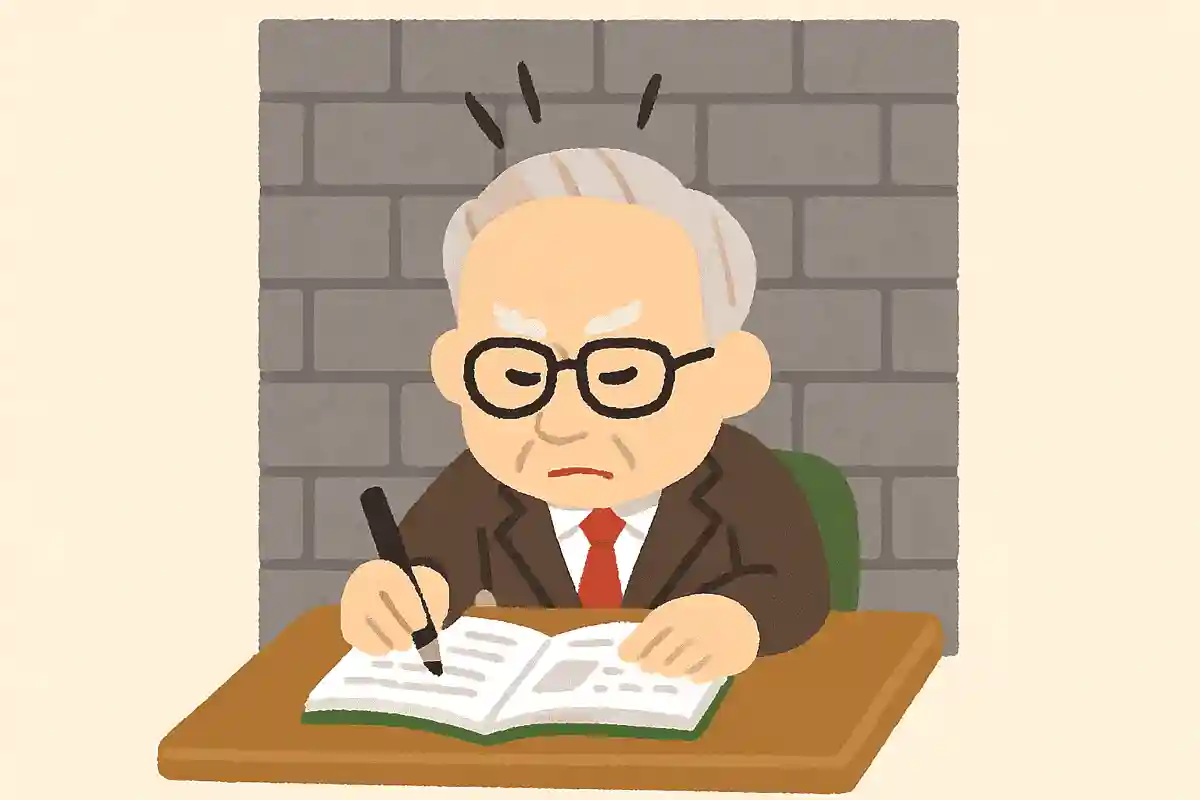
These are the words of Warren Buffett, an American investor who has built a record of steady results through long-term investing.
His success was not the product of split-second decisions, but of a sustained commitment to focus.
In studying as well, getting distracted by too much information scatters your results.
By identifying what needs to be done and concentrating on the task at hand, you can overcome difficult obstacles little by little.
Patiently sustained focus leads to significant outcomes.
It’s a famous quote that quietly teaches the importance of the quality of effort.
If we were just one minute earlier, we could save one more person.Calvin Coolidge
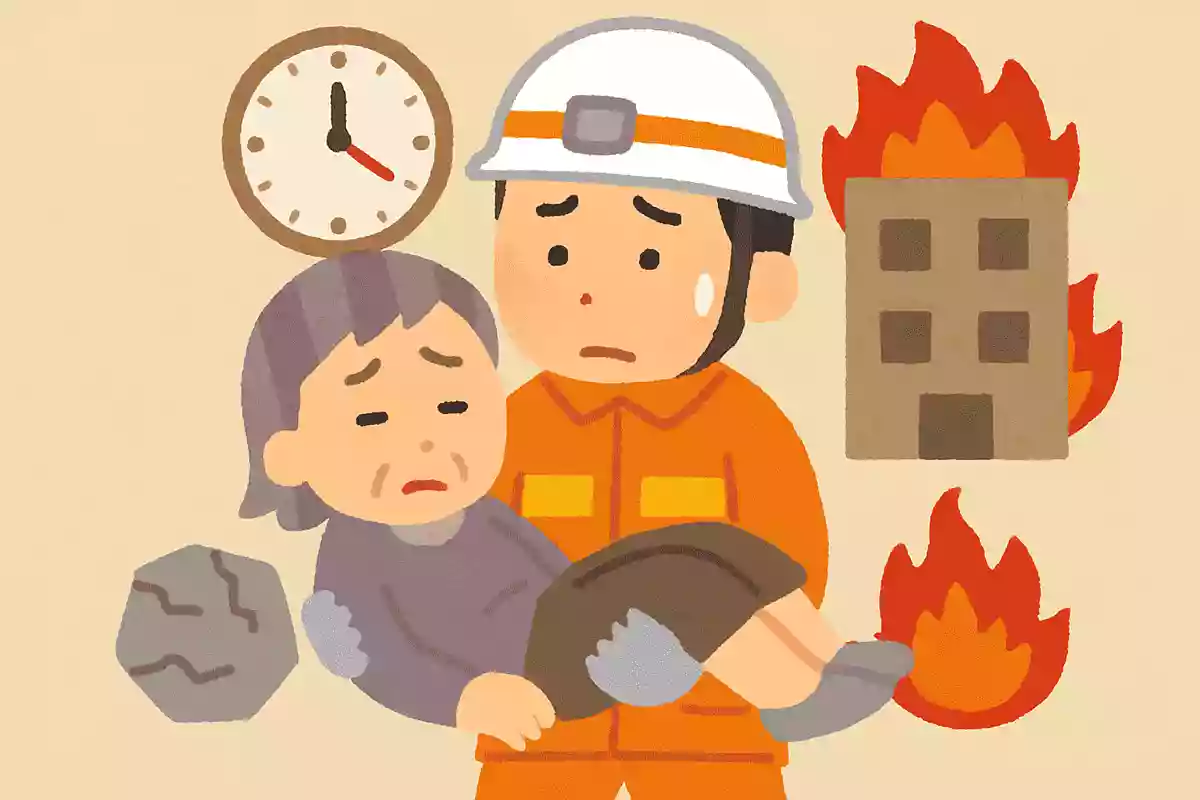
Let me introduce a powerful quote from Calvin Coolidge: “If you are one minute early, you can save one more person.” Calvin Coolidge was an American politician who also served as President.
This saying—“If you are one minute early, you can save one more person”—was apparently an American firefighting slogan that was introduced to Japan when the American Red Cross used it in 1923 (Taisho 12) to appeal for aid following the Great Kanto Earthquake.
These powerful words that crossed the ocean truly strike a chord, don’t they?
He who fails to prepare is preparing to fail.Benjamin Franklin
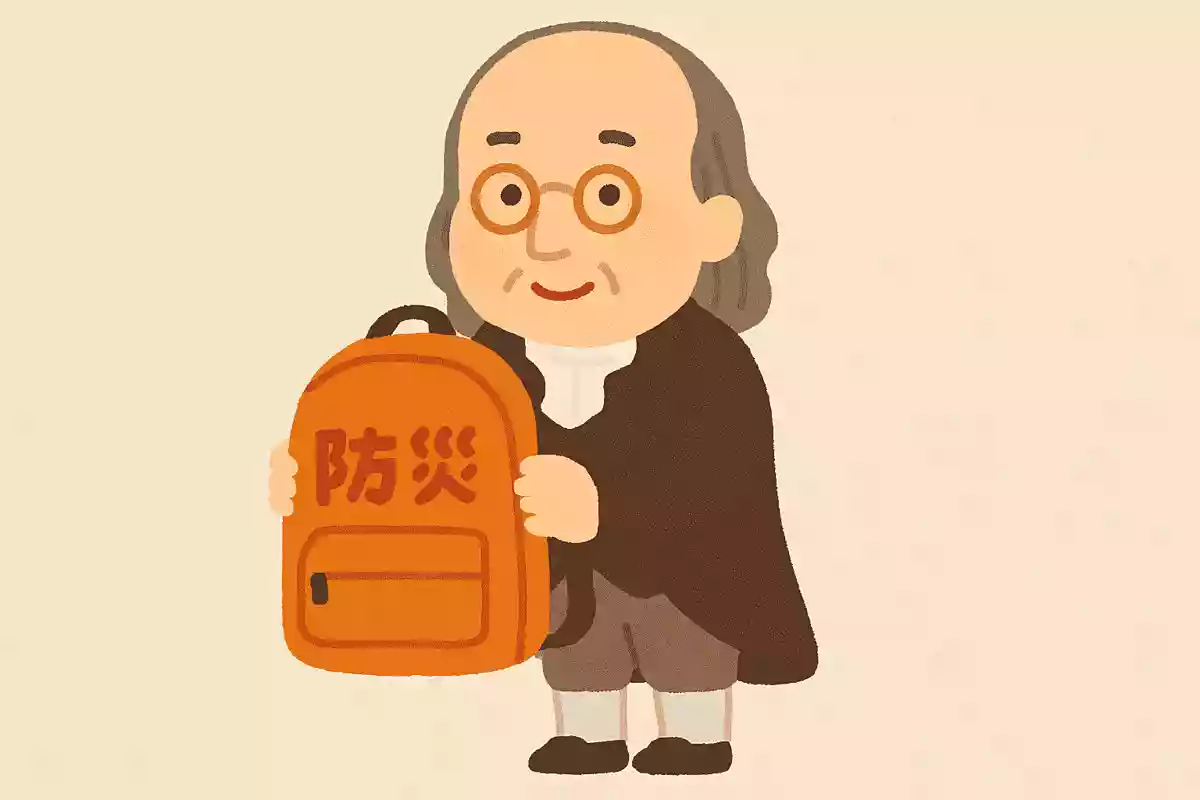
This is a famous quote by Benjamin Franklin—remembered as a Founding Father in the United States—about the importance of preparation.
It’s a saying that corrects the attitude of those who neglect to prepare, conveying that failing to prepare sets the stage for failure.
By deliberately expressing in a roundabout way that preparation is essential to avoid failure, it even evokes a sense of fear about failing.
The words also suggest that, to prevent all kinds of failures, it’s important to prepare broadly and thoroughly.

I can imagine that many people are still struggling emotionally and mentally. So let’s keep supporting one another.Lady Gaga
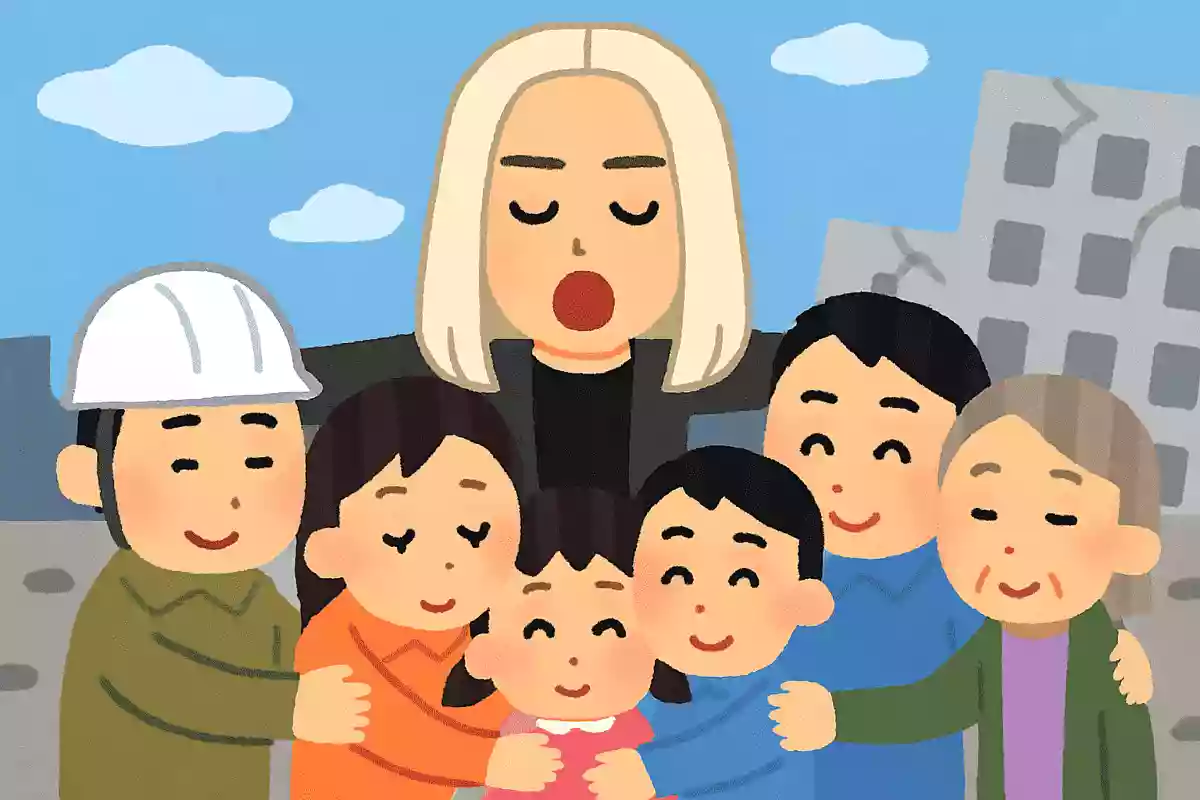
This is a message Lady Gaga sent to the disaster-affected areas in 2021, ten years after the Great East Japan Earthquake.
It shows her affection for Japan by acknowledging that recovery is still not complete even after so much time, and that emotional support is still needed.
By standing firmly with those who are suffering and grieving while encouraging them to move forward, she gives many people courage and strength.
It also conveys the impression of a message that we must not let the passage of time erode or fade the memory of their pain.
Beneath mud and earth lies solid rock; above clouds and mist shines the sun. At the height of discontent, there is still fortune, nor is hope absent.Kanzo Uchimura

I would like to introduce a famous saying by Kanzo Uchimura: “Beneath the mud lies bedrock; above the clouds and mist shines the sun.
Even at the height of complaint, happiness and hope are not absent.” Kanzo Uchimura was a Christian thinker active in the Meiji era.
Disasters can bring many hardships.
At such times, Uchimura left words he hoped we would remember.
It is said to mean that even when times are painful and difficult now, a stable and bright future surely awaits beyond.
He likens difficult situations to mud, and the bedrock represents the strength within us that lies beneath these serious problems.
Furthermore, he tells us that even when we feel or voice complaints, happiness and hope still exist.
Life brings all kinds of experiences, doesn’t it? Even so, we are reminded of the importance of maintaining a positive outlook.
