

Everyone must have heard it at least once! A quintessential ballad number representing the Showa era.

The Showa era was a time when popular music in Japan underwent major changes.
Even today, thanks to revival booms and renewed appreciation overseas, we’re hearing more and more timeless songs born in the Showa period.
In particular, many songs that bring a distinctly Japanese sense of wistful melancholy to the forefront still move the heart even now.
With that in mind, we’d like to introduce some quintessential Showa ballads—why not lend an ear to the good old sounds of Japan?
You might just feel the differences from the Heisei and Reiwa eras!
- Heart-touching, tear-jerking masterpieces from the Showa era
- [Touching the Heart] Timeless Ballad Masterpieces. A Collection of Unfading Classics and the Latest Songs [2026]
- A lineup of timeless masterpieces to pass down to future generations! Ballad songs born in the Reiwa era
- Showa-era nostalgic songs: Popular ranking
- Showa-era love songs: A roundup of timeless love songs cherished across generations
- Showa-era masterpieces roundup: A must-listen collection of nostalgic oldies and hit songs
- Evokes the charm of the good old days. Showa-era inspirational songs that are still loved today.
- So nostalgic it feels new? Showa retro classics that colored Japan’s period of rapid economic growth
- Cool songs from the Showa era. Masterpieces from Showa that shine with sensuality, passion, and rugged charm.
- A beautiful melody soothes the heart… Heisei-era ballad hit songs
- Just listening to it purifies the heart... A healing song born in the Showa era.
- Today's recommended ballads: A carefully curated selection of heartwarming, gem-like masterpieces!
- Nostalgic yet new! Hit songs from the Showa era you’ll want to use as BGM
Everyone must have heard these at least once! Top Showa-era signature ballads (1–10)
Sake, Tears, Men, and WomenKawashima Eigo

A quintessential Showa-era ballad and one of Eigo Kawashima’s signature songs.
Its wistful melody and powerful vocals resonate deeply.
The lyrics, portraying both the strength and fragility of men and the impulse to escape into drink, struck a chord with many.
Released as a single in June 1976, it ranked high on the Oricon weekly charts.
It was also used in a commercial for Kizakura Sake Brewery, becoming a nationwide hit.
A recommended track for those who, weary of life, seek solace in a voice that reaches the heart.
My loverGorin Mayumi

This is Mayumi Itsuwa’s signature song, cherished by many as one of the defining ballads of the Showa era.
Released in August 1980, it achieved the remarkable feat of reaching number one on the Oricon weekly chart.
Beloved in countries such as South Korea, China, Hong Kong, Malaysia, Singapore, and Indonesia, this work is a poignant love song centered on lost love and parting.
Itsuwa’s clear, pure vocals and the lyrically vivid imagery leave a lasting impression.
The lyrics skillfully portray expressions that evoke the changing seasons and the inability to accept a breakup with a lover.
It’s a highly recommended track for anyone who has lost someone important or seeks to heal the pain of a broken heart.
SWEET MEMORIESMatsuda Seiko

This song is etched in the hearts of many as a ballad that sings of a bittersweet love.
Seiko Matsuda’s clear, translucent voice beautifully paints memories of a love that has passed.
Released in August 1983, it was also featured in a Suntory commercial.
The story of lovers who hurt each other in their youth resonated with many people, turning it into a classic that has been covered by numerous artists.
It’s a moving track you’ll want to listen to when you wish to heal the pain of heartbreak or reflect on memories with someone dear.
Everyone must have heard these at least once! Showa-era signature ballad numbers (11–20)
Love MemoryMatsuzaki Shigeru
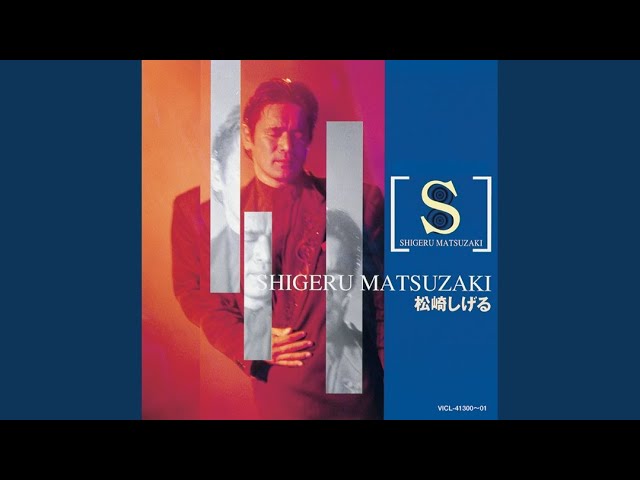
This is the 14th single by singer Shigeru Matsuzaki, known for his powerful vocals.
Its lyrical lyrics, which recall sweet yet heartrending memories of love and reflect on its true essence, resonate deeply.
Released in August 1977, it became a major hit, earning him his first appearance at the 28th NHK Kōhaku Uta Gassen that same year.
It was also used in a commercial for Ezaki Glico’s Almond Chocolate, drawing attention through a TV ad featuring Tomokazu Miura and Momoe Yamaguchi.
A classic from the Shōwa era, it’s recommended for moments when you want to remember precious times with a loved one or listen to a ballad that sinks into the heart.
If I Could Play the PianoNishida Toshiyuki

Marked by lyrics imbued with a bittersweet longing, this work remains one of Toshiyuki Nishida’s signature songs, continuing to move many people to this day.
Released in April 1981, the track was originally produced as an insert song for the drama “Ikenaka Genta 80 Kilos,” but its popularity led to its promotion to the main theme.
That same year, Nishida made his first appearance at the 32nd NHK Kōhaku Uta Gassen, performing this song.
With lyrics that delicately capture the feelings of a clumsy man and a melody that resonates with the heart, it is a captivating piece.
A quintessential Showa-era ballad, it is recommended for anyone struggling with love or human relationships.
contrailArai Yumi

A song loved by many as a quintessential ballad of the Showa era.
Serving as the title track of the album “Hikōkigumo,” it was released in November 1973.
Inspired by a classmate with muscular dystrophy, its lyrics poignantly convey the fragility and preciousness of life.
In 2013, it was used as the theme song for Hayao Miyazaki’s film “The Wind Rises,” drawing renewed attention forty years after its release.
Its gentle melody and delicate arrangement make it a timeless piece that resonates deeply.
It’s a song you’ll want to listen to while thinking of someone dear to you.
My Dear EllieSazan Ōrusutāzu

This is the third single by Southern All Stars.
Released in March 1979 as the theme song for the TV drama “Fuzoroi no Ringo-tachi,” the track drew public attention as an emotional number that refreshed the band’s previously cheerful image.
The lyrics, which depict aching love and lingering regret, evoke deep empathy through Keisuke Kuwata’s masterful word choice.
It peaked at No.
2 on the Oricon charts and remains one of the band’s signature songs with enduring popularity.
It’s a perfect track for those who want to experience both the sweetness and the bitterness of love.