

[Showa-Era Classics] A carefully selected collection of uplifting anthems that empower people across generations

Even after all this time, the classic songs of the Showa era still resonate with many people and give us strength, don’t they?
In this article, we’ll introduce uplifting songs from among the many beloved Showa hits!
We’ve gathered a variety of anthems: songs with powerful messages that fire you up, gentle tunes that give you a soft “you can do it” push, and tracks that fill you with energy and smiles.
Whether you lived through the Showa era or belong to a generation that didn’t, you’re sure to find at least one song that speaks to you!
Be sure to add one of these to your personal collection of motivational songs.
- Cheer-up songs recommended for people in their 50s: classic and popular Japanese hits
- Recommended Cheer-Up Songs for People in Their 70s: A Collection of Uplifting Tunes
- [A Cheer for Myself] A pep song dedicated to you who are doing your very best
- Songs that make you feel positive when you listen. Top recommended cheer and positive tracks.
- [A Life-Affirming Anthem] An Encouraging Song to Cheer You On
- Evokes the charm of the good old days. Showa-era inspirational songs that are still loved today.
- [Moving] Tear-jerking cheer song. A roundup of popular motivational anthems that resonate with the heart!
- Cool songs from the Showa era. Masterpieces from Showa that shine with sensuality, passion, and rugged charm.
- Fight songs from the good old days! Showa-era classics you should listen to when starting school
- Now’s the time to listen! Uplifting Showa-era songs that brightened Japan
- [Today's Cheer Song] To everyone giving it your all! A gem of an inspiring anthem that resonates with the heart
- [Cheer-Up Songs Special] Songs that give you courage when you're feeling down. Encouraging tracks.
- Just listening will lift your spirits! Energetic and cheer-up songs that defined the Heisei era.
[Showa Era Classics] A carefully selected collection of uplifting anthems that empower all generations (1–10)
I look up as I walkSakamoto Kyu

In the history of popular music, do you know which song is the only one by a Japanese artist to have reached No.
1 on the U.S.
Billboard charts? In 1961, “Ue o Muite Arukō,” sung by Kyu Sakamoto, who was then a promising young singer, was released.
Under the title “SUKIYAKI,” it was released in the United States in 1963 and, as mentioned above, became an eternal classic by reaching No.
1 on the Billboard charts—the only Japanese artist to do so.
The fact that a song with Japanese lyrics—not English—sold over 13 million copies worldwide is truly nothing short of an astonishing achievement.
As for “Ue o Muite Arukō,” its universal melody and words that slip easily into anyone’s heart possess a value untouched by passing trends.
It’s a song filled with a kind of awkward gentleness, like someone quietly whistling by your side when you’re going through sadness or hardship—perhaps that’s why it’s loved by people all over the world.
As an aside, many have pointed out an important feature of the song: it omits first-person pronouns such as “watashi” or “ore.” This allows anyone to project themselves onto it.
Why not listen again to this timeless classic that never loses its color?

You can do it!Nakajima Miyuki

Starting with an ominous-sounding drum in the intro, the first verse unfolds with a minimalist arrangement of conversational vocals and a bass line.
I’d like to introduce Fight!, a distinctive masterpiece by Miyuki Nakajima that has sparked many interpretations, including reactions to its shocking lyrics.
In the internet age, even if you don’t know Nakajima herself, many people likely know this song.
In fact, its first appearance was on Nakajima’s 1983 album Premonition, and it only became widely known after it was re-released more than ten years later in 1994 as the B-side to Between the Sky and You—which, thanks to its use in a commercial tie-in, became an explosive hit at the time.
The background of this song includes elements such as letters from listeners to the radio show Nakajima hosted.
Its lyrics stand apart from cheer songs that simply string together ideals and pleasant-sounding words; they possess a powerful effect that shakes listeners’ hearts in any era.
Faced with unreasonable realities, the song makes us reconsider the meaning of continuing to fight, even as we keep asking ourselves who is at fault and what is wrong.
There’s always tomorrowSakamoto Kyu

Kyu Sakamoto’s “Ashita ga Aru Sa” (There’s Always Tomorrow) is a classic that humorously captures the feelings of a young man in his youth who fears heartbreak and failure.
Its melody, which offers courage and hope to keep looking forward, is sure to lift your spirits.
Since its release in 1963, it has remained beloved by a wide audience, and even in the 2000s it drew attention as a commercial jingle, the entrance march for high school baseball, and a song included in school textbooks.
This song, which teaches the importance of continuing to believe that “there’s always tomorrow” even in times of hardship or sorrow, is a cheering anthem we hope you’ll listen to again now.
[Showa-era Masterpieces] A carefully selected collection of uplifting anthems that empower all generations (11–20)
ff (fortissimo)HOUND DOG

A powerful rock number that overwhelms you with the bold, forthright conviction to declare, “Love is everything.” Otomo Kohei’s vocals blend strength and tenderness, making you feel as if he’s telling you, “You can do it, too,” and giving you a push forward.
The triumphant synth brass in the intro, the firmly grounded, muscular bassline throughout—this sound that makes you want to thrust your fist in the air is the very essence of an energizing anthem.
It’s a classic, hard-hitting cheer song that fills you with vitality from the bottom of your heart.

No-sideMatsutōya Yumi

A masterpiece by Yumi Matsutoya that delicately portrays an athlete’s emotions after a game.
It is included on the album “NO SIDE,” released in December 1984.
Inspired by the retirement of a high school athlete from a club activity, the song beautifully expresses effort, sacrifice, and the emotions that come at the end.
At the 2019 Rugby World Cup, it was performed in front of Japan’s national team, deeply moving many.
The piece has also been used in a Fuji Film commercial and as insert music in a TBS drama.
For anyone who has experienced the complex feelings that follow the end of a match or club activity, it will surely resonate deeply.
Get WildTM NETWORK
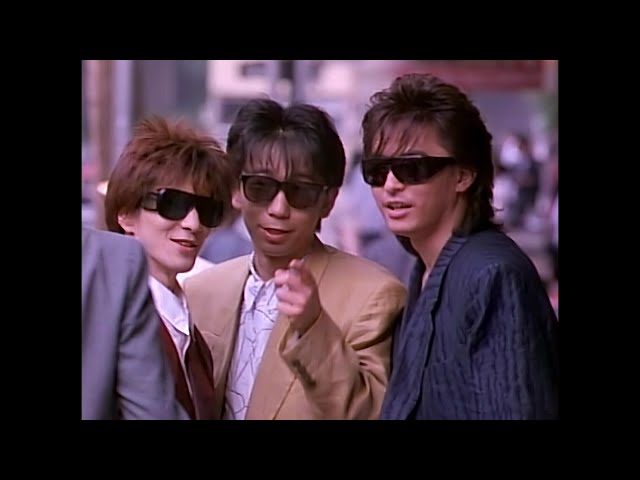
“I can’t sleep tonight!” This is a high-energy track that makes you feel like you’re racing through the city at night.
The lyrics spark a thirst for adventure and thrill, igniting the listener’s heart.
The desire to become stronger for someone important resonates as if it were your own feelings.
Released in April 1987 and used as the ending theme for the anime City Hunter, this song has remained timeless even in the Reiwa era, continuing to be loved as a karaoke staple.
It’s the perfect song to give you a push—whether you’re about to dive into a new environment or trying to overcome a farewell with someone dear.
A Man Who Summons StormsIshihara Yūjirō

Yujiro Ishihara was a Showa-era mega-star who achieved great success not only as an actor but also as a singer.
His signature song, “Arashi o Yobu Otoko” (The Man Who Causes a Storm), was released in 1959 and captivated audiences with Ishihara’s passionate vocals and distinctive style.
The song empowers those who face adversity and forge their own path with a strong will.
For people who spent their youth around the time of its release, it may rekindle memories of past passion and youthful courage, giving them energy for new challenges.
It’s especially recommended for those who wish to reflect on the hardships they’ve overcome in life and draw strength to continue living true to themselves.