

[Nostalgic Hits] Smash Hits with the Showa Generation! Classic and Popular Songs Sung by Female Vocalists

Saying “Those were the good old days” might make you feel a bit old—but honestly, there are times when remembering the past really does make you happy, right?
The TV shows you watched when you were young, the streets you walked, and the music you listened to…
In this article, I’ve put together a list of nostalgic Showa-era hit songs sung by female artists.
Feel free to reminisce about the past, find fresh motivation—and of course, use it as a reference for your next karaoke selection!
- Showa-era nostalgic songs: Popular ranking
- A classic Showa-era kayōkyoku song sung by a female vocalist. A nostalgic tune passed down through the years.
- Thrilling to Cool Showa-Era Tunes! Classic Songs from Female Singers and Artists of the Showa Period
- [Songs from the Showa Era] Introducing classic tracks that are easy to sing at karaoke.
- Heart-touching, tear-jerking masterpieces from the Showa era
- Popular Showa-era pop. Timeless hit songs.
- When you can’t decide what to sing at karaoke: Easy-to-sing classic hits from the Showa era
- [Classic Showa Kayō Hits] The captivating Showa-era pop songs beloved even by younger generations
- Popular 80s hits for karaoke. Sing kayōkyoku and pop songs!
- Karaoke songs sung by female artists recommended for Gen Z
- Love songs that resonate with women in their 60s: gem-like romance tunes that revive memories of youth.
- [Revisited] A roundup of popular and classic Showa-era songs that are trending now [2026]
- [For Women] A roundup of enka songs that can score high in karaoke
[Nostalgic Songs] Hits with the Showa Generation! Masterpieces and Popular Songs Sung by Female Vocalists (11–20)
I’ll wait.amin

The debut single by Aming, a female duo known for their strikingly clear, refreshing harmonies.
Released in July 1982, the song topped the Oricon year-end sales chart and became a massive hit, selling over 1.2 million copies.
The lyrics, which express the heartache of feelings that cannot reach a loved one, resonated deeply with many listeners and drew widespread empathy.
The portrait of a lonely woman whose true feelings no one can see is rendered with delicate nuance.
The track was featured in numerous commercial and TV drama tie-ins, including Toyota’s “Duet.” It’s a recommended song for those troubled by love or wishing to reminisce about a past romance.
Longing for RainYashiro Aki

There was a time when Hiroshi Itsuki and Aki Yashiro alternated releasing hit songs, and the popular music scene was truly known as the “Era of Itsuki and Yashiro.” If Aki Yashiro’s previous smash hit, “Funauta,” powerfully expressed a man’s heart, then “Ame no Bojo” is surely lyricist Yū Aku’s ultimate “woman’s song.” Yashiro’s performance is exquisite, turning a sad song—with lines like, “Rain, don’t fall so sadly; bring him back to me”—into something more than mere sorrow.
With this song, Yashiro closed out the 1980 NHK Kōhaku Uta Gassen as the final performer.
Dancing HeroOginome Yōko

Yoko Oginome’s seventh single, released on November 21, 1985.
In 2017, the dance club of Osaka Prefectural Tomanokō High School used it as the song for their “bubble era” dance at a competition, sparking a revival hit! The original song, “Eat You Up,” was sung by British vocalist Angie Gold and became a massive hit.
It’s an upbeat track that incorporates the classic disco sound popular at the time of its release.
The distinctive moves in the intro and interlude are said to have been inspired by Madonna! The choreography is easy to learn, so it seems perfect to show off at karaoke, too!

EnchantedJudi Ongu
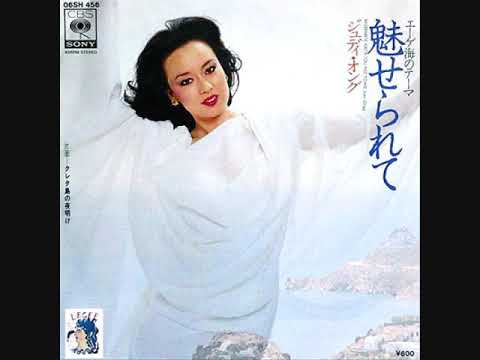
A signature song by Judy Ongg, a singer and actress from Taiwan.
It was used in a commercial for the lingerie brand Wacoal.
For many listeners, it likely brings to mind her distinctive white stage dress.
The song is inspired by Aegean Sea scenery, and the ocean appears in the lyrics as well.
Judy’s gentle, graceful, and enveloping voice is simply mesmerizing! It’s a masterpiece that deserves to be passed down through the generations.
Perfect for when you want to immerse yourself in an oriental atmosphere.
I Just Can’t Stop ItYamamoto Rinda
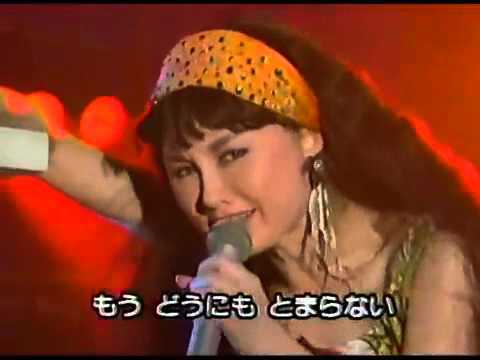
With its rhythmic tune, I bet many listeners can’t help but feel their spirits lift! This song by singer Linda Yamamoto—also known for “Neraiuchi” and “Komacchauna”—was released as a single in June 1972.
Its appeal lies in the passionate lyrics and a sound that bursts into bloom.
Before you know it, you’ll find yourself wanting to dance! It’s a classic of Japanese pop that has continued to be covered across genre lines—by artists from Morning Musume to rock bands like 9mm Parabellum Bullet, and more.

Falling in LoveKobayashi Akiko

Akiko Kobayashi is known for her crystal-clear singing voice.
Released in August 1985, this song was used as the theme for the TBS Friday drama “Friday Wives III: Falling in Love,” and it ranked high on the Oricon charts.
It became a massive hit, selling over a million copies.
The lyrics delicately portray the aching feelings of a woman in love, perfectly harmonized with a melody that resonates in the heart.
Wanting to call but unable to, longing to meet but unable to—such frustrations of love are vividly expressed through Kobayashi’s gentle vocals.
As a pure love song, it remains a timeless classic that continues to touch many hearts.
Life won’t give (it) to me / Unyielding lifeSegawa Eiko

This is one of Eiko Segawa’s signature songs, celebrating the beauty of living life with someone.
Released in March 1986, the song initially struggled but gradually gained popularity, ultimately becoming a massive hit with 1.7 million copies sold.
It portrays a destined couple bound by a red string of fate, walking together through both joys and hardships.
The lyrics convey a deep love that makes life possible simply by having the other person by your side.
Segawa’s distinctive voice beautifully expresses the strength of a married couple’s bond.
It’s a perfect song for weddings, anniversaries, or any moment when you want to reaffirm your connection with someone special.
It’s sure to resonate with your heart.
My castle townKoyanagi Rumiko

A debut song by Rumiko Koyanagi filled with memories of youth.
Released in April 1971, it topped the annual singles chart that year.
Set in a castle town, its lyrics poignantly depict the ache of first love and the sorrow of parting.
The vivid scenes sung over a beautiful melody evoke a deep sense of nostalgia in listeners.
It was also used as the Japan National Railways “Discover Japan” campaign song, resonating with Japan’s traditional townscapes.
It’s a perfect track to play when you want to immerse yourself in nostalgic scenery and memories of first love.
Sing it at karaoke, and you’re sure to savor the full atmosphere of the Showa era.
CHA-CHA-CHAIshii Akemi

The debut single, released in 1986, is characterized by Latin-style rhythms and a catchy melody.
It is also known as the theme song for the TV drama “Danjo Shichinin Natsu Monogatari” (Seven Men and Women: A Summer Story).
The lyrics, depicting the free and liberated lifestyle of a young woman, matched the atmosphere of the bubble era and sparked a social phenomenon.
It topped the Oricon Singles Chart for nine consecutive weeks and became a massive hit, selling over 580,000 copies.
Akemi Ishii won the Best New Artist Award at the Japan Record Awards with this song.
If you check out the dance choreography for this track as well, you can enjoy even more of the Showa-era vibe—highly recommended.
Second LoveNakamori Akina

It was Akina Nakamori’s third single, released on November 10, 1982.
I experienced her debut era in real time, and when I heard her voice back then, I thought, “What a low, rich voice.” But listening to the track again now for the first time in a while to write this piece, I was surprised by how girlish her voice sounds.
Still, while there’s a certain innocence in her tone, her singing is solid, and the way she fully conveys this gentle, heartfelt ballad really makes you think: singers from the Showa era truly were something special!
