

[Showa-Era Graduation Songs] Nostalgic? Emotive? A curated selection of timeless classics loved across generations


Graduation songs are ones you start hearing everywhere from around February.
Every year, numerous tracks related to graduation are released.
And many people can vividly remember the songs that were hits when they graduated.
In this article, we’ve gathered graduation songs that were released during the Showa era and became hits.
Among these classics are songs that are still beloved decades after their release, as well as tracks experiencing revival hits on social media.
If you’re from the Showa generation, enjoy the nostalgia; if not, discover them with fresh ears and enjoy these Showa hit songs.
- [80s Graduation Songs] Nostalgic Classics & Hits That Have Become Standards
- Still packed with timeless classics! A roundup of 1970s Japanese graduation songs
- Heart-touching, tear-jerking masterpieces from the Showa era
- Spring songs for people in their 60s: A collection of classic tracks about cherry blossoms and farewells
- Memories Come Flooding Back: Tearjerker Graduation Songs. Moving, Tear-Inducing Ballads [2026]
- [For Graduates] Graduation Songs and Cheer Anthems to Convey Gratitude and Support
- So nostalgic it feels new? Showa retro classics that colored Japan’s period of rapid economic growth
- Songs about schools: a collection of songs that depict school building scenery.
- Evokes the charm of the good old days. Showa-era inspirational songs that are still loved today.
- Tear-jerking classic graduation songs! Recommended tracks for graduation movie BGM
- Nostalgic yet new! Hit songs from the Showa era you’ll want to use as BGM
- [Great Lyrics!!] Recommended Tear-Jerking Graduation Songs with Heartfelt, Moving Words [2026]
- Graduation Songs for Those in Their 30s: Nostalgic Classics That Rekindle Emotions & Timeless Favorites Still Popular Today
[Showa-Era Graduation Songs] Nostalgic? Emo? Timeless Classics Loved Across Generations (1–10)
Strawberry Statement, Once Againbanban

This folk song classic vividly revives the bittersweet memories of school-days romance through the medium of cinema.
Released in August 1975 as Banban’s fifth single, the track was written and composed by Yumi Matsutoya, who was then active under the name Yumi Arai.
It became the group’s biggest hit, topping the weekly charts and selling a total of about 750,000 copies.
The film title included in the song’s name refers to an American movie released in 1970, serving as an emblematic sign of youth.
Years later, the song was also used as an insert track in the TV drama “To Friday’s Wives II: Men, Are You Doing Well?” and has been loved across generations.
It’s a song for anyone whose heart is stirred by simple memories—ditching class to catch a movie, a rain-soaked poster—brought back in a rush.
Love Dial 6700Fingā 5
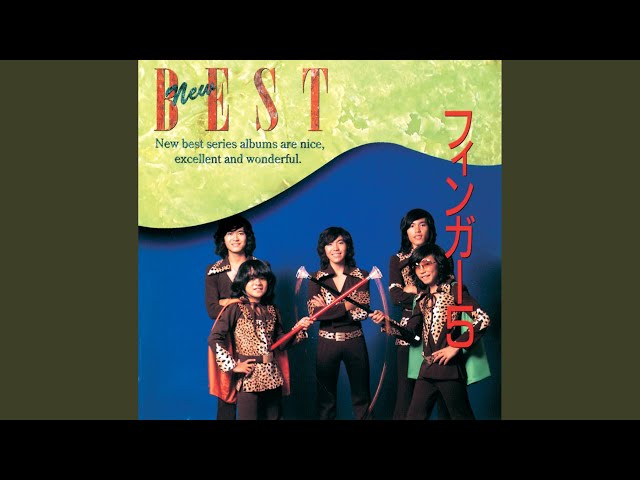
With an intro that mimics the ring of a rotary telephone and a spirited call that grabs your attention, this is a signature song by Finger Five.
Written and composed by Yu Aku and Tadao Inoue, it’s a breezy dance number that blends R&B and rock ’n’ roll elements into Japanese pop.
The catchy phone-number motif, set on the eve of a graduation ceremony, leaves an unforgettable impact once you hear it.
Released in December 1973, the song topped the Oricon weekly chart for four consecutive weeks and became a massive hit with over 1.6 million copies sold.
The following year, it was also used as the theme song for the film “The Great Adventure of Finger Five.” The soulful groove created by the five Okinawan siblings, paired with the charming vocals of the youngest sister, Taeko, weaves a harmony that lifts the spirits across generations.
It’s a perfect pick for those who want a bright boost during the season of farewells.
youthIwasaki Yoshimi

A ballad by Yoshimi Iwasaki that etched itself into many fans’ hearts as the ending theme of the 1985 TV anime Touch.
The lyrics, sprinkled with symbols of student life—like the bench by the field and the buttons on a school uniform—delicately portray the ache of passing time and feelings too deep for words.
Hiroaki Serizawa’s calm melody layered with Iwasaki’s clear, transparent vocals creates an airy sense of nostalgia.
Released as the B-side to her 21st single, “Ai ga Hitoribocchi,” the single reached No.
10 on the Oricon charts.
In 1986, it was also chosen as the entrance march for the 58th National High School Baseball Invitational Tournament, gaining popularity beyond the realm of anime.
It’s a recommended track for those who want to quietly reflect during graduation season or gently awaken the emotions of days gone by.
Showa-Era Graduation Songs: Nostalgic? Emo? A Curated Selection of Timeless Classics Loved Across Generations (11–20)
12th graderFunaki Kazuo

It’s a classic packed with memories of high school life, such as the school building bathed in the red setting sun and scenes of students dancing the folk dance.
Released in June 1963, it became a huge hit, selling over one million copies within a year.
It was also Kazuo Funaki’s debut single, and with this song he made his first appearance at the 14th NHK Kōhaku Uta Gassen that same year.
It was adapted into a film of the same name, with Funaki himself in the leading role.
The lyrics portray the complex feelings of a high school senior on the verge of graduation; while they regret parting, they also feel the anticipation of a new beginning—making it a perfect song for high school students living fully in the present.
GraduationMatsuyama Chiharu

This is a song included on the B-side of “Mado,” released in 1979.
Even for those who aren’t fans, it’s a masterpiece that many would pick as the best among countless graduation songs.
The lyrics say, “Graduation is sad, and it’s lonely that we won’t be able to see each other, but I still have a future,” reflecting the pure, unpretentious feelings of youth.
Perhaps it’s precisely that purity that makes it so relatable.
It’s a gem of a track that also conveys the sense of the “vast land” that runs at the core of Chiharu Matsuyama’s music.
Graduationsawada shouko

“Graduation,” a song by singer-songwriter Shoko Sawada that expresses the bittersweet feelings of leaving school behind.
Released in 1983, it became Sawada’s most successful single.
While her vocal delivery is calm and matter-of-fact, not overtly tinged with the sadness of graduation, a close listen to the lyrics reveals an inner conflict about graduating and a heartfelt wish for that day never to arrive.
Her voice may sound composed, even a bit defiant, but you can sense that she’s actually very lonely and unsettled by something she can’t change.
For those who are also hiding their loneliness as they face graduation, this song will likely resonate deeply.

Eyes of the heartSakamoto Kyu

A gem-like ballad by Kyu Sakamoto, steeped in warm affection.
The lyrics, filled with deep love for family, and his gentle, tender voice resonate in the heart.
Released in May 1985, this was his final single during his lifetime, expressing his love for his wife.
The lyrics portray an unchanging form of love that endures over the years, resonating with many and making it a popular song often sung at school events.
When you want to feel the bonds with your friends or find yourself at a crossroads in life, listening to it will fill you with warmth.