

[Shōwa-Era Heartbreak Songs] Carefully selected timeless love classics adored across generations!

Showa-era love songs feel nostalgic to those who spent their youth back then, and fresh to the Heisei and Reiwa generations.
In this article, we’ve carefully selected popular heartbreak songs from among those classic Showa hits!
We’ll introduce tracks that are still widely recognized—covered even in the Reiwa era—as well as timeless masterpieces that continue to be loved across generations as quintessential breakup songs.
Whether you listened to them back then or not, there’s sure to be something you can relate to.
Be sure to give them a listen!
- A heartbreak song that was a hit in the 1980s. A classic and popular track in Japanese music.
- Heart-touching, tear-jerking masterpieces from the Showa era
- [Female Heartbreak Song] A soul-stirring song dedicated to you, who loved with all your heart.
- A heartbreak song that was a hit in the 90s. Classic and popular tracks in Japanese music.
- Nostalgic Showa-era heartbreak songs. Soothe your heart with timeless classics that can move women in their 60s to tears.
- A heart-wrenching story that tightens the chest! A Showa-era unrequited love song
- Recommended heartbreak songs for women in their 70s. A collection of classic Showa-era breakup masterpieces.
- Evokes the charm of the good old days. Showa-era inspirational songs that are still loved today.
- Masterpieces of bittersweet breakup songs. Recommended popular tracks.
- Farewell Song: A goodbye song. A tearful parting song.
- Just listening makes my chest tighten... Breakup songs recommended for the Yutori generation
- A heartbreak song that resonates in the chest of a man in his 60s: memories of youth woven by classic Showa-era masterpieces
- Guaranteed Tearjerker for Men! Japanese Breakup Songs Depicted from a Male Perspective [2026]
[Showa-Era Heartbreak Songs] A curated selection of timeless love classics that continue to be cherished across generations! (21–30)
Eyes Are DiamondMatsuda Seiko

This is Seiko Matsuda’s 15th single, which depicts the bittersweet feelings before the end of a romance as if in a movie.
Released in October 1983, it held the No.
1 spot on The Best Ten for eight consecutive weeks.
On the Oricon weekly singles chart, it achieved the remarkable feat of monopolizing both No.
1 and No.
2 simultaneously together with its predecessor.
The lyrics, written by Takashi Matsumoto, memorably portray the moment of heartbreak—such as a farewell in the rain and the emotions of a woman stepping out from under an umbrella.
The melody, composed by Yumi Matsutoya under the pen name Kureta Karuho, results in a captivating song that conveys strength even amid sorrow.
It’s a recommended track for those seeking empathy and solace in the image of a woman striving to overcome the pain of a broken heart.
Drinks for twoAzusa Michiyo

A bittersweet yet forward-looking breakup song about a couple choosing to end a cherished love.
Set to a gentle melody, it portrays the emotions of lovers who have resolved to part.
Released in March 1974, the song features lyrics by Michio Yamagami and music by Masayuki Hirao, and became a major hit, reaching No.
11 on the Oricon weekly chart.
Their promise to meet again and share drinks when they feel lonely conveys both gratitude for the memories they’ve built and hope for the future.
It’s a song that stays by your side when you want to overcome the pain of heartbreak and find a sense of calm.
[Showa-Era Heartbreak Songs] Carefully selected timeless love classics that continue to be cherished across generations! (31–40)
Heartbreak RestaurantShimizu Kentarō

Set in a restaurant portrayed as a place to heal the pain of heartbreak, this story gently envelops a wistful heart.
Released in November 1976 as Kentaro Shimizu’s debut, the song struck a chord with many through its light, catchy melody and deeply affecting lyrics.
Through the perspectives of heartbroken patrons who gather at the restaurant and a protagonist who has yet to experience love, it depicts the universality of love’s joy and sorrow.
It reached No.
1 on the Oricon Singles Chart in February 1977 and became a major hit with approximately 647,000 copies sold.
It also won numerous awards, including Best New Artist at the Japan Record Awards that same year.
A gem of a ballad to listen to when you want to soothe the pain of heartbreak or be a source of comfort for someone else.
The Day the Seagulls FlewWatanabe Machiko
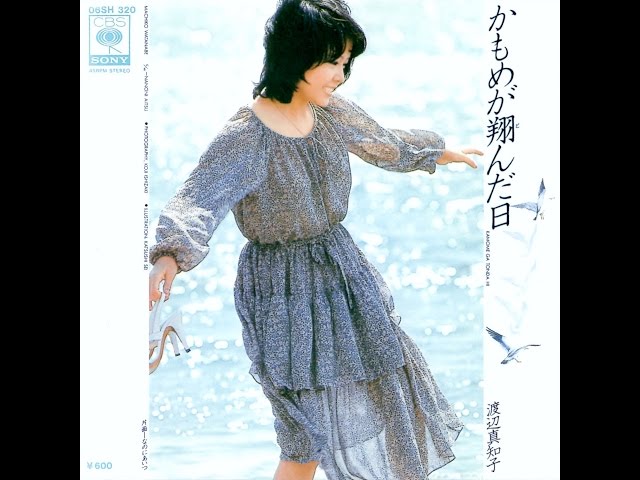
Set in a port town, this gem of a ballad poignantly portrays the pain of heartbreak.
Against the glittering morning seascape, the singer overlays her feelings for a departing lover onto a single seagull, creating a moving masterpiece.
Released in April 1978, it became one of Machiko Watanabe’s signature songs, peaking at No.
5 on the Oricon charts.
The track won numerous music awards and drew attention to her as a rising talent among female singers.
In 2007, it was adopted as a Chiba Lotte Marines cheer song, with a special stadium version also released.
A performance by Japan’s dance team Avantgardey, featuring their unique choreography, garnered significant buzz and boosted the song’s recognition among younger audiences.
It’s a recommended listen for anyone who can relate to a woman quietly accepting the pain of lost love, or for those who wish to revisit youthful memories alongside the scenery of a harbor town.
Cheer up!Yakushimaru Hiroko

A gem of a song whose heartwarming message gently encourages a friend hurting from heartbreak, resonating deep in the chest.
Mariya Takeuchi’s self-cover is well known, but the song was originally written by Takeuchi for Hiroko Yakushimaru.
It was included as the first track on the album “Kokonshū,” released in February 1984, and has soothed countless hearts.
Carried by a gentle piano melody, the clear, translucent vocals speak with an embracing tenderness.
It’s a song that makes you feel as if a close friend is right by your side.
When your spirit is on the verge of breaking, or when you want to lift someone up, it will surely be a powerful ally.
Song of Seeing Spring OffNoguchi Goro

A poignant ballad that delicately portrays the moment spring slips away.
Goro Noguchi’s soaring vocals beautifully capture the bittersweetness of youth and the resolve to set out on a new journey.
Released in December 1978, the song reached No.
14 on the Oricon chart and No.
8 on The Best Ten, and it ranked 46th on the 1979 year-end chart.
Created by the duo of Yū Aku and Kyōhei Tsutsumi, it tells a story of a man and a woman set on a rainy spring day.
With Noguchi’s tender, empathetic singing, this track deeply moves listeners with its portrayal of a heartrending relationship.
Parting CitySuzuki Masayuki

A gem of a ballad by Masayuki Suzuki, depicting a heartrending breakup, with lyrics, composition, and arrangement all by Kazumasa Oda.
The transience of a drifting heart, the pure devotion of believing in the words they shared, and the regret for a past that can never be reclaimed.
These soul-tearing emotions are exquisitely conveyed through Suzuki’s rich, velvety voice.
Released in September 1989, the song was featured as an insert track for the drama “LUCKY! Tenshi, Miyako e Iku” and in a Ginza Jewelry Maki commercial, and was later included on the album “Dear Tears.” On a quiet night, when you feel like immersing yourself in memories of someone dear, why not lend your ear to this song?
In conclusion
How did you like the Showa-era heartbreak songs? Did you find a track that speaks to your feelings? Listening to the lyrics, you realize that even across generations, the feelings of being in love and the pain of heartbreak are the same for everyone. If you’re going through a tough breakup, try pouring your feelings into a heartbreak song and sing your way through it!