

[Winter Songs] Classic Showa-era masterpieces. Popular songs you’ll want to listen to in winter.


In the Showa era, countless classic and hit songs were born and cherished by many listeners.
Winter, in particular, was a season packed with events like Christmas and New Year’s, and filled with dramatic themes such as snowy landscapes.
In this special feature, we introduce some of the finest winter songs from the Showa period.
We hope that those who experienced the era in real time will feel nostalgic, while those who did not will find it fresh and enjoyable.
Please enjoy!
- [For Seniors] Winter songs you'll want to hum along to. A collection of classic tunes recommended for BGM and recreational activities
- Winter Songs: Classic tracks you want to listen to in winter. Songs you long for during the winter.
- [Winter Songs] Recommended for Women! A Collection of Winter Songs That Get the Crowd Going at Karaoke
- [Classic Showa Kayō Hits] The captivating Showa-era pop songs beloved even by younger generations
- [1980s J-Pop] Popular winter songs: from chart-toppers to hidden gems!
- Recommended Christmas songs for people in their 70s: A collection of classic winter hits from the Showa era
- [Winter Songs] The Best Classic and Popular Winter Tunes to Listen to in Winter
- A collection of timeless classics! Exquisite winter songs recommended for people in their 50s
- [For Seniors] Winter Classics to Sing in January: Heartwarming Moments with Nostalgic Children’s Songs and Kayōkyoku (Japanese Popular Songs)
- Showa-era nostalgic songs: Popular ranking
- Winter songs you'll want to listen to in the cold season! Recommended for the yutori generation
- Evokes the charm of the good old days. Showa-era inspirational songs that are still loved today.
- [Winter Songs] Songs that evoke the feeling of winter for Instagram Stories
[Winter Songs] Showa-Era Classics: Popular Songs You’ll Want to Hear in Winter (11–20)
White Winterfuki no tō

Set against the shifting season from late autumn into winter, this work gently sings of the bittersweet ache of a love now past.
Released in September 1974 as Fuki no Tō’s debut single, it reached No.
14 on the Oricon weekly chart and sold approximately 185,000 copies.
Rooted in a simple acoustic guitar arrangement, the interwoven harmonies of the duo’s voices delicately portray the deepening loneliness of autumn and the arrival of a white winter.
Its unadorned, pure folk sound quietly evokes nostalgia for lost time, making it a timeless classic.
Perfect for nights when you reminisce about a former love, or for lingering by the window as the snow falls.
Midwinter Datetenchi mari
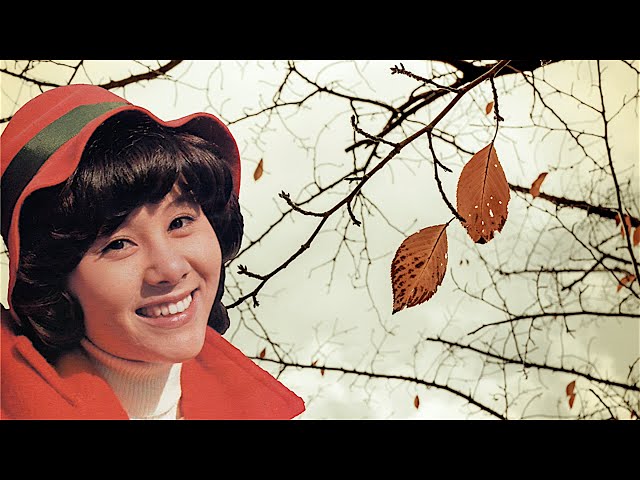
Mari Amachi, who was a national idol in the early 1970s.
This song, included as the B-side of the single “Futari no Nichiyoubi,” released in December 1972, warmly depicts lovers intertwining their fingers and snuggling close as a wintry, leafless avenue is swept by a cold wind.
The lyrics are by Michio Yamagami, the music by Masayuki Hirao, and the arrangement by Shunichi Makaino.
The words, which sing of love nurtured in the cold season, combine with Amachi’s clear, transparent voice to evoke a sense of hope amid the poignancy.
Featured on a single that sold about 440,000 copies at the time, the track was also included on the album “Ashita e no Melody” and has continued to be loved by fans.
Give it a listen while imagining a moment spent with someone special on a chilly day.
Ballad of the Rainbow and SnowTo wa e mo wa

The famous song by Towa Teu Moi, created for the 1972 Sapporo Olympics, is a winter anthem that carries hope across the northern land.
Lyricist Bunichiro Kawamura was given three conditions by NHK—“a song that would be sung for many years after the Games,” “a song that expressed the feelings of Sapporo’s citizens,” and “a song ordinary people could easily sing.” After about two weeks of deliberation, he completed the lyrics.
Through the contrasting motifs of snow and rainbows, the piece conveys both the strength of people living amid harsh nature and a wish for peace that connects nations around the world.
Released in August 1971, it was also performed at that year’s Kōhaku Uta Gassen.
It’s a perfect song to listen to when visiting Sapporo in winter or when you want to face forward without yielding to the cold.
Outside, it’s a night of white snow.yoshida takurou

It’s a classic that beautifully paints a winter scene.
Takashi Matsumoto’s delicate lyrics and Takuro Yoshida’s soul-stirring voice create a perfect harmony.
The lyrics, depicting a heartbreaking farewell in the falling snow, will resonate deeply with listeners.
Included on the album Rolling 30, released in November 1978, this song has since appeared in various versions on later albums and has become a live favorite.
The fact that many artists—such as Diamond✩Yukai and Akiko Wada—have covered it also speaks to its enduring appeal.
On a cold winter night, when you feel like looking back on memories with a loved one, give it a listen.
You’re sure to spend a moving, heartwarming time.
My lover is Santa ClausMatsutōya Yumi

When it comes to Christmas songs, this is the one! Many people probably think of it first.
Included on Yumi Matsutoya’s 10th original album released in 1980, this track has now become a winter classic.
It has been passed down through performances by popular artists such as Seiko Matsuda and Hitomi Shimatani, and new covers have continued to be released even into the 2020s.
As Christmas approaches, you’re sure to hear Yumi Matsutoya’s voice all around town.
Even as various artists release new Christmas songs every year, its popularity never fades—truly a legendary piece.

Snow CountryYoshi Ikuzo

A song that seeps into the listener’s heart like falling snow.
Released in February 1986, this number is known as one of Ikuzo Yoshi’s signature works.
It beautifully depicts the snowy countryside and a bittersweet love, becoming a huge hit that reached No.
1 on the Oricon charts.
Yoshi’s warm vocals gently envelop hearts shivering in the winter cold.
This piece also marked a turning point for Yoshi—who had been strongly associated with comic songs—helping him establish himself as a bona fide enka singer.
It’s a perfect listen on a cold winter night when you find yourself thinking of someone.
[Winter Songs] Showa-era masterpieces. Popular songs you want to listen to in winter (21–30)
White SundayREBECCA

An unforgettable winter ballad by REBECCA, with lyrics that conjure fogged-up windows, chilly air, and the quiet intimacy of two people alone.
It offers an introspective, beautiful world quite unlike their flashier hits.
The vocalist’s whisper-like delivery layers with crystalline synthesizer tones, evoking a sensation as if the cold itself were brushing your skin.
The track appears on the classic album TIME, which reached No.
1 on the Oricon charts.
Though originally an album cut released in October 1986, its polished perfection explains why it’s remained a beloved winter staple among fans for so long.
It’s a must-listen not only for those who lived through the ’80s band boom, but also for anyone who wants to sink into music on a snowy holiday morning, warm and unhurried at home.