

[Remembering the Pain of Love…] Breakup Songs Recommended for People in Their 60s

Have you ever experienced heartbreak?
Heartbreak is really tough, isn’t it…
I’m sure many people still carry the pain of a love they can’t forget.
In this article, we introduce breakup songs we’d love people in their 60s to listen to.
We’ve selected not only classic, all-time favorite breakup songs, but also love songs you may have listened to in your youth.
Great for listening!
Great for singing at karaoke!
Every track fits the bill.
They’re especially perfect for the colder seasons—autumn and winter—when you long for warmth, so please check them out if you like.
- A love song that reminds those in their 60s of a forgotten romance
- A heartbreak song that resonates in the chest of a man in his 60s: memories of youth woven by classic Showa-era masterpieces
- Nostalgic Showa-era heartbreak songs. Soothe your heart with timeless classics that can move women in their 60s to tears.
- Spring songs for people in their 60s: A collection of classic tracks about cherry blossoms and farewells
- Recommended breakup songs for women in their 50s: classic and popular Japanese tracks
- A love song that makes a man in his sixties relive his youth. Timeless classics that rekindle the romances of those days.
- Recommended heartbreak songs for men in their 70s: A collection of poignant, nostalgic classics
- My heart aches with bittersweet pain! Breakup songs I’d recommend to Gen Z
- Recommended Japanese karaoke songs for men in their 60s
- Masterpieces of bittersweet breakup songs. Recommended popular tracks.
- [2026] Recommended for Men in Their 40s! A Collection of Classic Japanese Breakup Songs
- [Valentine’s Heartbreak Songs] Masterpieces and Popular Tracks to Heal a Wounded Heart
- Love songs that resonate with women in their 60s: gem-like romance tunes that revive memories of youth.
Remembering the Pain of Love: Breakup Songs Recommended for People in Their 60s (11–20)
Friendanzenchitai

A song released by Anzen Chitai in October 1986 that gained popularity on the TV show “Yoru no Hit Studio” was used in a Daio Paper commercial.
Featured on the album Anzen Chitai V, it drew strong response, reaching No.
7 on the Oricon chart and peaking at No.
2 on The Best Ten.
Koji Tamaki’s expressively rich vocals poignantly convey the delicate emotional shifts of a relationship transitioning from lovers to friends.
The beautiful melody, unfolding from a wistful piano intro into a grand orchestral arrangement, gently resonates with anyone feeling the loneliness of a changing bond with someone dear.
Goodbye once moreOzaki Kiyohiko

A ballad distinguished by its rich vocal power and expressive nuance, this is a song by Kiyohiko Ozaki released in July 1971.
It’s not just a typical heartbreak tune; it tells of choosing to part ways out of love, set to a beautiful melody that sings of hope for the future.
Its deeply affecting vocals resonate with listeners, and the emotive melody portrays mature love within a calm atmosphere.
Released following the massive hit of the previous single “Mata Au Hi Made,” it reached No.
2 on the Oricon charts and sold a total of 444,000 copies.
In 1999, it was sung on screen by Naoto Takenaka in the film “Nodojiman,” and it has continued to be loved across generations.
It’s a song you’ll want to sing with cherished companions, drawing on the depth of your life experiences.
AloneMayo Okamoto

Mayo Okamoto’s third single delicately sings of the complex emotions of a woman whose boyfriend was taken by her friend.
Beneath her show of bravado lies profound loneliness and a heartrending longing for the one she loves—feelings that strike a deep chord.
Released in November 1996, it reached No.
10 on the Oricon Weekly Chart.
It’s a gem of a ballad you’ll want to listen to quietly when you wish to reflect on the pain of heartbreak and the subtleties of human relationships.
Lonely Way of the WindSugiyama Kiyotaka

A masterpiece that portrays urban loneliness and hope for the future, with a crystal-clear singing voice that resonates deep in the heart.
Like a breeze sweeping through an unfamiliar street corner, this solo work by Kiyotaka Sugiyama beautifully sings of feelings for a former lover.
It carries a profound message that even after parting with someone important, past memories never fade and continue to sustain the heart.
Released in January 1988, the song captured the hearts of many viewers as the theme for “Tuesday Suspense Theater” and reached No.
1 on the Oricon chart.
Its lyrics, which express a refreshing resignation and the courage to look forward, will surely kindle a quiet light in the hearts of those seeking to overcome the pain of heartbreak.
Listening to OliviaAnri

A melody that gently envelops the lingering ache of a bittersweet romance, paired with refined musicianship, resonates deeply in the heart.
The lyrics, which carefully depict a woman healing her delicate emotions after a breakup while listening to Olivia Newton-John’s songs, have struck a chord with many.
With Anri’s clear, translucent vocals giving the piece a sophisticated, urban feel, it was released in November 1978 and included on the album “Anri.” In 2008, it was also featured as an insert song in the Nippon TV drama “Saito-san,” cementing its status as a timeless classic loved across generations.
This warm ballad offers comfort to those trying to recover from the pain of heartbreak and to anyone who has experienced parting with someone dear.
I can’t stop this sadnessAnri
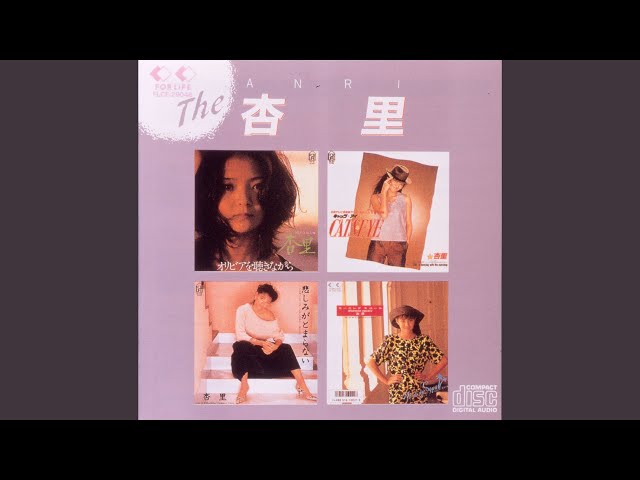
A gem of a love song by Anri that conveys the poignant emotions of a woman whose boyfriend has been taken by her best friend, expressed through an urbane melody and sophisticated arrangement.
With her warm vocal timbre and graceful singing, your heart aches for the heroine who loses both her lover and her friend at once.
Released in November 1983, the song was issued as an advance single from the album “Timely!!” and reached No.
4 on the Oricon weekly chart.
Bolstered by its tie-in with a Shiseido commercial, it generated a huge response.
It’s a song that stays close to your heart when you want to heal the pain of a breakup—something everyone experiences at least once—while reflecting the complicated feelings stirred by the evolving relationship between friend and lover.
[Remembering the Pain of Love...] Breakup Songs Recommended for People in Their 60s (21–30)
I Want to See You ~Missing You~Matsuda Seiko

A gemlike love ballad that sings of the pain of heartbreak everyone experiences at least once and the longing for a reunion.
The tender, heartrending lyrics penned by Seiko Matsuda herself are etched deeply in the heart along with nostalgic memories.
Each time her sweet, soft voice rings out over the gentle melody, memories of a past lover come flooding back.
Released in April 1996, this song drew major attention as the ending theme for “Beat Takeshi’s TV Tackle” and as a Canon commercial song.
It’s the kind of nostalgic love song you’ll find yourself softly humming on nights when you recall the warmth of someone you once loved, immersing yourself in the feelings of those days.