

A Must-See for Men in Their 60s: Easy-to-Sing Karaoke Classics That Score High

Wouldn’t you like to sing your favorite nostalgic songs with even more enjoyment? Many adults probably feel the same way.
For those in their 60s who spent their youth during the period of rapid economic growth and the bubble economy, the hit songs of that era are priceless treasures.
Yet even with familiar tunes, you may feel frustrated when the range or phrasing doesn’t quite fit, making it hard to sing comfortably.
That’s why this time, we’re introducing songs that tend to score well—carefully selected from well-known classics with a focus on ease of singing.
You’re sure to find that one special song filled with memories!
- For Women in Their 60s: Karaoke Songs That Score Well | Classic Nostalgic Hits
- Japanese karaoke songs that are easy for men in their 60s to sing
- [Men in their 60s] Even if you're not good at singing, it's okay! Easy-to-sing songs for karaoke
- Recommended Japanese karaoke songs for men in their 60s
- Karaoke songs that are sure to get a 60-something man fired up
- Recommended for women in their 60s! Easy-to-sing Japanese karaoke songs
- Karaoke songs that are easy to sing even for tone-deaf beginners, recommended for women in their 60s
- [For People in Their 60s] A Special Feature on Easy-to-Sing Nostalgic Songs and Showa-Era Classics That Liven Up Karaoke
- Popular Japanese songs among men in their 60s: recommended masterpieces and classic tracks
- For Men in Their 50s: Easy Karaoke Songs to Score High
- Recommended for women in their 60s! Songs that get the crowd going at karaoke
- Easy-to-sing songs recommended for men in their 70s: A collection of classic hits you’ll want to sing at karaoke
- [60s] Karaoke Popularity Rankings by Generation [2026]
Must-See for Men in Their 60s: Easy-to-Sing Karaoke Classics That Score Well (1–10)
CheersNagabuchi Tsuyoshi

Speaking of Tsuyoshi Nagabuchi, I think he’s most popular among men in their 60s.
In fact, many of his fans seem to be from that generation, don’t they? His signature song “Kanpai” has a fairly narrow vocal range of mid1 D to mid2 G.
The tempo is relaxed as well, making it relatively easy to aim for a high score.
However, because low notes appear frequently, a certain degree of depth and low-end is required.
For men with higher voices to make it sound appealing, it’s best if they can produce a natural shout at the highest notes.

KISS MEHimuro Kyosuke

Among men in their 60s—especially those in the early half—many were likely deeply impacted by Kyosuke Himuro.
Of all his songs, the one I particularly recommend is KISS ME.
It’s a great choice for achieving a high score when singing.
The biggest reason is its vocal range: from mid1 C to mid2 G, which is exceptionally narrow even among male vocal tracks.
While the way Himuro sings—slightly muffling the sound through the nose—isn’t exactly the orthodox method, it’s an easy-to-sing technique.
Simply emulating the original performance should be enough to aim for a high score.
Street Corner of BetrayalKai Band

The Kai Band, a group that gained popularity with a distinctive musicality that blends elements of Japanese kayōkyoku into rock.
Many men in their 60s were likely drawn to their unadorned, rugged sound.
Among Kai Band’s songs, one I particularly recommend is “Uragiri no Machikado” (Street Corner of Betrayal).
The song spans mid1 C# to hi A#, which is somewhat wide, but since the average pitch is quite low, anyone who can produce brief mid-to-high notes should be able to sing it without issue.
However, because there are relatively few rests compared to the many long tones, it’s necessary to make adjustments—such as lowering the key slightly or tucking the chin—to avoid over-projecting your voice.
Must-See for Men in Their 60s: Karaoke Songs That Score High—Easy-to-Sing Classic Hits (11–20)
ChinatownYazawa Eikichi

Eikichi Yazawa has produced many classic songs over the years.
There are likely many men in their 60s who have been fans since the Carol era.
Among his tracks, one I especially recommend is Chinatown.
The song’s vocal range is relatively narrow, from mid1 B to mid2 G#.
If you’re just following the pitch, it should be quite manageable.
However, because Yazawa employs a shout-infused singing style, trying to imitate that can make the difficulty skyrocket.
So, rather than sticking too closely to the original, aim to sing it in a comfortable key for you.
Dramatic RainInagaki Junichi
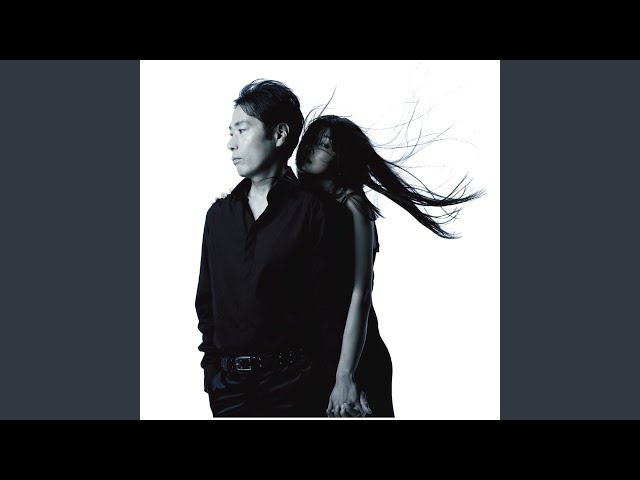
Junichi Inagaki is a male singer with a distinctive and memorable vocal tone.
Known for his unique musical style that blends city pop and AOR into Japanese kayōkyoku, he has produced many classic songs.
Among them, the one I especially recommend for aiming for a high score is Dramatic Rain.
With a relatively narrow vocal range of mid1 D# to hi A and a gently undulating vocal line, it should be manageable for men in their 60s who are accustomed to kayōkyoku melodies.
Be sure to check it out.
RunawayRATS&STAR
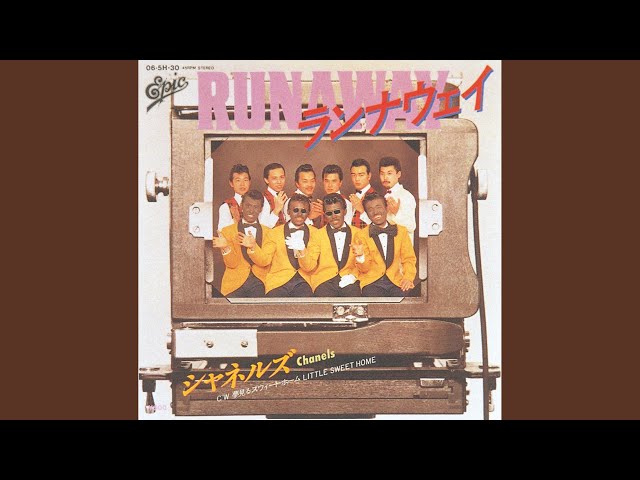
When it comes to the groups that laid the foundation for soul music and R&B in Japan, Rats & Star surely comes to mind.
As their black-coated appearance suggested, they had deep respect for Black music.
Their song “Runaway” is one of their signature tracks, blending elements of Black music with kayōkyoku and J-pop into a very singable style.
The vocal range is relatively narrow, from mid1 D# to mid2 G, so as long as you focus on the groove, you should be able to aim for a high score.
Oh, sake!Yoshi Ikuzo

Men in their 60s are the generation that experienced the dawn of kayōkyoku, rock, and folk music, and they can also be said to be very familiar with enka.
In particular, many have deep knowledge of modern enka, which differs from those based on traditional folk songs.
The song I recommend is Yosh Ikuzo’s “Sake yo.” As an enka piece, it is very easy to sing, with no kobushi that require complex pitch ornamentations.
The vocal range is also not wide—mid1 C# to mid2 F—so even men in their 60s, an age when projecting the voice can become difficult, should be able to sing it comfortably.