

Good songs recommended for people in their 60s: classic and popular Japanese tracks


Here are some great Japanese songs I’d recommend for people in their 60s!
Of course, what makes a song “good” can feel different for everyone.There are songs with great lyrics, songs with beautiful melodies, songs with an awesome groove, songs that are just fun to move to, and so on.
In this article, I’ve gathered lots of good songs from a variety of perspectives.
Most of the picks are tracks from the 1970s through the 1980s—the era when many people in their 60s spent their youth—so please give them a listen while reminiscing about those nostalgic memories from your younger days!
- [2026 Edition] Songs Loved by People in Their 60s: Classic Hits from Their Youth
- Ranking of Popular Japanese Music and J-POP Artists Among People in Their 60s [2026]
- Recommended for women in their 60s! Songs that get the crowd going at karaoke
- Popularity Ranking of Songs by Generation: 60s [2026]
- Love songs that resonate with women in their 60s: gem-like romance tunes that revive memories of youth.
- Tear-jerking songs recommended for men in their 60s: classic and popular Japanese hits
- Best Karaoke Songs and Popular Band Rankings for Lively Fun in Your 60s [2026]
- Upbeat Japanese songs recommended for women in their 60s
- [Recommended for people in their 70s] Classic nostalgic hits: A collection of youth songs
- A love song that makes a man in his sixties relive his youth. Timeless classics that rekindle the romances of those days.
- [2026] Autumn Songs for People in Their 60s: Classic Tracks Perfect for the Deepening Fall
- Good songs recommended for people in their 50s: classic and popular J-pop tracks.
- Spring songs for people in their 60s: A collection of classic tracks about cherry blossoms and farewells
Great songs recommended for people in their 60s: Classic and popular Japanese tracks (11–20)
Yokosuka StoryYamaguchi Momoe

Among Momoe Yamaguchi’s songs, this one is especially popular and is said to be a track she herself feels deeply attached to.
Released in June 1976, it became her biggest hit single on the Oricon charts, with total sales reaching 810,000 copies.
At the 27th NHK Kōhaku Uta Gassen at the end of that year, she performed this song as the opening act for the Red Team.
Set in the port town of Yokosuka, the lyrics portray deep feelings and inner conflict toward a partner while being conscious of an impending farewell, resonating with many listeners.
The song expresses the true-to-life image of 17-year-old Momoe Yamaguchi at the time—her longing for and struggles with love—and it leaves a powerful impression on those who hear it.
Give it a listen, and let it accompany your memories of youth.
Cotton HandkerchiefŌta Hiromi

Among Hiromi Ohta’s songs, this is one of the most popular and could be considered her signature work.
It has a unique charm that blends elements of folk and kayōkyoku (Japanese pop), and its duet-style, male–female dialogue lyrics were a bold innovation for the time.
Released in 1975, it became a massive hit, selling 867,000 copies.
The narrative lyrics, themed around a long-distance relationship, resonated with many listeners.
Particularly striking are the man’s emotions wavering between the city and his hometown, and the woman’s unwavering feelings.
It’s a recommended track for when you want to reminisce about the bittersweet romances of youth or feel the bond with someone special.
Let yourself be carried by Hiromi Ohta’s clear, transparent voice and listen at your leisure.
threadNakajima Miyuki

A classic song that likens encounters with loved ones and the workings of fate to the warp and weft used in silk weaving.
The irreplaceable bonds formed with those we meet eventually become a beautiful fabric that warmly envelops someone—this is the wonderful tale woven by Miyuki Nakajima in this gem of a track.
Its emotionally rich melody and lyrics that pierce the heart are in perfect harmony, gently embracing the listener.
Released in October 1992 on the album “EAST ASIA,” it returned to the spotlight in 1998 as the theme song for the drama “Seija no Kōshin” (March of the Saints).
Sparked by a cover by Bank Band, it has continued to be cherished as a wedding staple.
Why not etch it into your heart as a memorable song to color life’s milestones together with someone special?
I’m sorryTakahashi Mariko
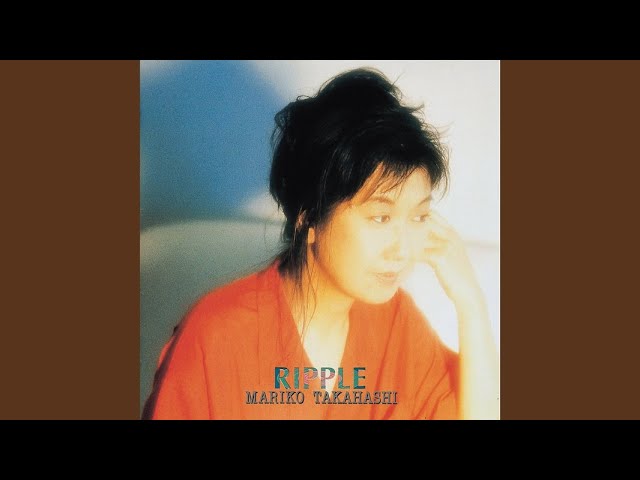
A song depicting a heartrending farewell and lingering regret, released in May 1996 by Mariko Takahashi as the theme for Tuesday Suspense Theater.
With a clear, translucent voice, it poignantly conveys the feelings of a woman who has hurt someone precious and committed an irreparable mistake.
The portrayal of regret over romantic missteps, the plea for forgiveness, and the earnest love for someone dear is deeply moving.
It is a piece that offers profound empathy to those struggling with relationships or who have experienced a painful parting.
A masterpiece that everyone who has known heartbreak or separation should hear.
Slow motionNakamori Akina

A gem of a love song that portrays a fateful encounter on the beach as if time itself had stopped.
Its delicate lyrics and harmonious melody leave a striking impression, letting the protagonist’s pounding heartbeat seep into the listener’s own.
Released in May 1982 as Akina Nakamori’s debut single and included on the album “Prologue
It’s a track perfect for the season of refreshing spring breezes, and anyone who has ever felt the thrill of budding romance is sure to relate.
Why not surrender to the pleasant early-summer wind and bask in those bittersweet memories?
stationTakeuchi Mariya

A song by Mariya Takeuchi that tells a poignant story of unexpectedly reuniting with a former lover at a station at dusk.
The pain and nostalgia of a past romance seep into the heart, carried by her clear, translucent voice.
Originally written in 1986 as the theme song for the film “Goodbye Mama” and provided to Akina Nakamori, it was self-covered by Mariya Takeuchi the following year.
Rearranged by her husband Tatsuro Yamashita, the piece blossomed into an elegant sound centered on piano and strings.
Its universal narrative, themed around the breakup and reunion that many experience in love, gently stirs the listener’s memories.
It is a gem of a song best enjoyed in the quiet mood of twilight, as you reflect on cherished memories with someone dear.
Recommended great songs for people in their 60s. Classic and popular Japanese songs (21–30)
Rainy BlueTokunaga Hideaki

The debut song by Hideaki Tokunaga, a poignant love story that begins in a late-night phone booth.
Its lyrics—quintessentially Showa—paint cinematic scenes of urban stillness and rain, perfectly intertwined with delicate, emotionally rich vocals to create a gem of a track.
Released in January 1986, it reached No.
90 on the Oricon charts.
A rearranged version released in November 1997 rose to No.
31, capturing the hearts of many.
By portraying heartbreak and loneliness as universal themes, it remains a beloved classic that resonates even today.
It’s the kind of bittersweet love song you’ll want to play on a rainy day—why not give it a listen?