

[The Spirit of Japan] A special feature on Southern All Stars’ classic hits. Gemlike songs

Since their debut in 1978, the band Southern All Stars has delivered countless hit songs and beloved national anthems.
Their music, which has spanned the Showa, Heisei, and Reiwa eras, is deeply rooted in the hearts of many listeners.
Frontman Keisuke Kuwata pours an extraordinary love and respect into kayōkyoku (Japanese popular songs), and part of their charm lies in that sensibility—along with a playful sound that skillfully weaves Japanese and English, and irresistibly catchy hooks.
Above all, the band’s warm, inviting vibe is wonderful.
From uplifting anthems that give you a push, to the erotically bold lyrics that are their trademark, all the way to emotional pop songs, they have a wide array of classics.
Let’s dive into the world of Southern All Stars’ music!
- Southern All Stars Popular Songs Ranking [2026]
- Southern All Stars Karaoke Popular Songs Ranking [2026]
- Southern All Stars Ballad Songs: Popular Song Ranking [2026]
- Southern All Stars Cheer Songs and Popular Song Rankings [2026]
- Masterpieces and popular songs by Keisuke Kuwata
- A roundup of easy-to-sing Southern All Stars songs for karaoke
- [2026] Crowd-Pleasing Songs Recommended for People in Their 50s: A Collection of Nostalgic Classics
- Evokes the charm of the good old days. Showa-era inspirational songs that are still loved today.
- Southern All Stars Love Songs: Popular Songs Ranking [2026]
- A love song that makes a man in his sixties relive his youth. Timeless classics that rekindle the romances of those days.
- Revival hits driven by social media! Classic Showa-era songs popular with Gen Z
- Masterpieces that color the hot season! Summer songs recommended for the Yutori generation
- A collection of timeless classics! Exquisite winter songs recommended for people in their 50s
[The Japanese Spirit] Special feature on Southern All Stars' classic masterpieces: Exquisite Songs (71–80)
Days of Love and DesireSazan Ōrusutāzu
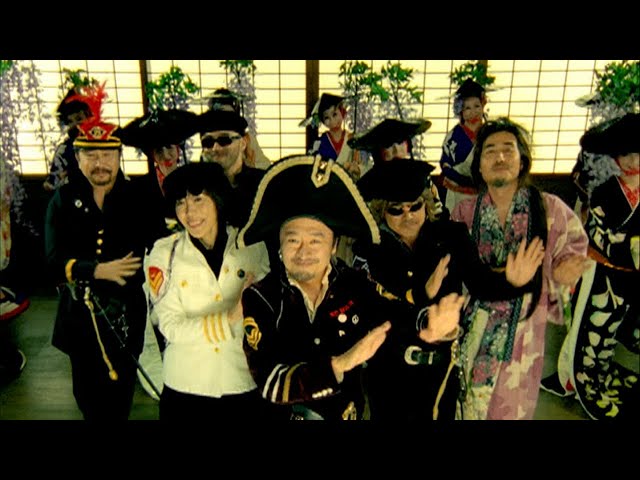
It’s the theme song for the 2004 drama “Ōoku: The First Chapter.” It opens with guitar cutting that sounds almost like Western music and then shifts into a languid Latin rhythm.
The lyrics are also a highlight, striking a deft balance between Japanese-style wording and English.
Love is like a flower (Olé!)Sazan Ōrusutāzu

A gem of a love song distinguished by lyrics interwoven with Spanish.
The words, where heartbreak and passion intersect, resonate deeply with listeners.
Showcasing the full breadth of Southern All Stars’ musical versatility, the track was released in January 1990.
Keisuke Kuwata’s powerful vocals vividly convey a determination to devote everything to love.
It’s a song you’ll want to listen to while thinking of someone you love or cherish—and it’s great for karaoke, too.
Shouting “¡Olé!” in the chorus is sure to lift your spirits.
Tearful KissSazan Ōrusutāzu

The refreshing, friendly, and gentle tone makes it easy to listen to.
The melody occasionally moves like a Japanese scale, adding a nice touch.
The bittersweet lyrics and the pop tune blend well together, and every time I listen, it really tugs at my heart.
[The Spirit of Japan] Special Feature on Southern All Stars’ Masterpieces: Gems of Songs (81–90)
Shonan SeptemberSazan Ōrusutāzu

When the chorus hits, you can’t help but want to shout out loud! This track is included on Southern All Stars’ album “Sakura.” Released in October 1998, it topped the Oricon weekly chart for two consecutive weeks.
Completed after 3,000 hours of recording, the work brilliantly captures the scenery and atmosphere of Shonan.
The lyrics, themed around the wistfulness and melancholy of late summer, are striking, and Keisuke Kuwata’s powerful vocals resonate deeply.
It’s a must-listen for anyone who cherishes summer memories and feelings of love.
The more you listen, the more you’ll be drawn into the charm of Shonan!
Sazan Ōrusutāzu

Known as a masterpiece that likens the pain of heartbreak to a tsunami, this work is a moving love song renowned as one of Southern All Stars’ signature tracks.
It’s a gem of a ballad that expresses the sorrow of losing someone precious with a sweeping melody, fully showcasing Keisuke Kuwata’s exceptional songwriting talents.
Released in January 2000, it topped the Oricon weekly chart and also won the Japan Record Award that same year.
It was chosen as the theme song for the popular segment “Mirai Nikki III” on the TV show “Uunnan no Hontoko!,” becoming a classic beloved by a wide range of listeners.
It’s a heartwarming piece that gently accompanies those carrying the pain of losing someone special, and it’s also recommended for karaoke.
Since it’s well-known, the melody line shouldn’t feel too difficult.
It might be a good idea to keep it in your repertoire as a standard.
Happy BirthdaySazan Ōrusutāzu

Southern All Stars are beloved by people of all ages.
When it comes to their birthday songs, “Happy Birthday” is the one that stands out.
Sung from a male perspective, it portrays a deep love and the way a woman grows more beautiful with each passing year.
While the song depicts spending a birthday with a lover, it would also create a warm atmosphere at a friend’s or family member’s birthday.
With its sense of drive and momentum, it’s moving without becoming too mellow—that’s part of its charm.

I’m sorry, I was stupid.Sazan Ōrusutāzu

A memorable love ballad that depicts a bittersweet longing.
Featured on Southern All Stars’ 14th album, “Killer Street,” released in October 2005, this song is characterized by lyrics filled with regret and apology.
Keisuke Kuwata’s delicate vocals blend exquisitely with the melodious sound, resonating deeply with listeners.
As a track included on their first original album in about seven years, it’s a compelling piece packed with the essence of Southern All Stars.
Recommended for times when you want to heal the pain of heartbreak or reaffirm your feelings for someone important.