
[For Beginners] Songs in the Key of Love: A Collection of Stevie Wonder’s Masterpieces

Stevie Wonder, the blind genius singer-songwriter with a voice that touches the soul.
He debuted at just 13 years old and has continued to captivate people around the world with his musical talent and exceptional expressive power.
Rooted in R&B and soul, his work spans a wide range of genres—including pop and funk—and his songs continue to resonate across generations.
In this feature, we’ll introduce some of Stevie Wonder’s most iconic masterpieces, especially for beginners!
- Stevie Wonder Popular Song Ranking [2026]
- Stevie Wonder Ballad Songs: Popular Song Rankings [2026]
- Stevie Wonder Karaoke Song Popularity Ranking [2026]
- Stevie Wonder Love Songs: Popular Song Rankings [2026]
- Stevie Wonder Wedding Songs and Popular Hits Ranking [2026]
- Billy Joel’s classic and popular songs
- [Rhythm] A roundup of popular Japanese songs that use 16-beat [2026]
- Whitney Houston’s famous and popular songs
- [For Creative Dance] A Collection of Easy-to-Dance Japanese and Western Tracks
- A Quiz About Stevie Wonder [A Must-See for Soul Music Lovers!]
- [2026] Classic Western Songs Recommended for Junior High Students [English Songs]
- [Beginner’s Guide] Start Here! A Collection of Sting’s Greatest Songs [2026]
- 1980s: Legendary Western Rock Bands’ Classic and Hit Songs
[For Beginners] Heart’s Love: A Collection of Stevie Wonder’s Masterpieces (111–120)
Yester-Me, Yester-You, YesterdayStevie Wonder

A track released in 1969 on the Motown label by Stevie Wonder, an American singer-songwriter.
It became a hit around the world.
An Italian version was also recorded under the title “Slo te, solo me, solo noi.”
Mastar Blastar (Jammin’)Stevie Wonder
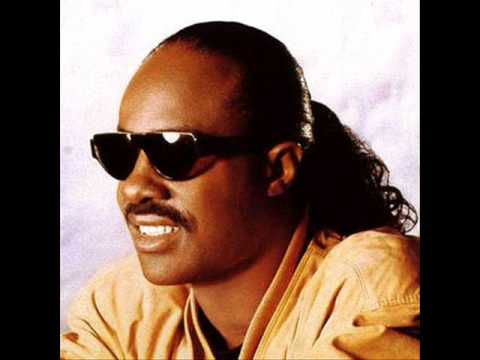
It’s a perfect song for summer, singing that everyone’s mood is hotter than the heat of July.
The reggae-style rhythm feels good—laid-back yet powerful.
While enjoying the sweltering summer, it helps you wake up feeling refreshed and in a great mood.
The Shadow Of Your SmileStevie Wonder

This is a song by Stevie Wonder, an R&B singer-songwriter from Michigan, USA, included on his classic album “My Cherie Amour,” released in the summer of 1969.
Originally composed by Johnny Mandel, it has the feel of a film score brimming with a sense of melancholy.
Black OrchidStevie Wonder

A song included on American music maestro Stevie Wonder’s album Journey Through The Secret Life of Plants, released in October 1979.
It features poetic lyrics that offer deep insights into nature and humanity, love and freedom.
Set to a beautiful melody that fuses soul and disco styles, it portrays a woman born from the earth like a flower.
It also touches on what her purity and freedom tell us, and how nature praises her name, leaving a profound impression on listeners.
Showcasing Wonder’s rich vocals and exceptional musicianship, this work is recommended for quiet nights when you want to relax and immerse yourself in music.
FingertipsStevie Wonder

Stevie Wonder made his debut at 12, and with this song—released as a single the following year—he reached No.
1 on the U.S.
Billboard chart.
Achieving a No.
1 hit at just 13 made him the youngest artist ever to do so.
Although his voice hadn’t changed yet on this track, both his singing and his performance carry a remarkable maturity, making it hard to believe he was just a boy.
Happy BirthdayStevie Wonder
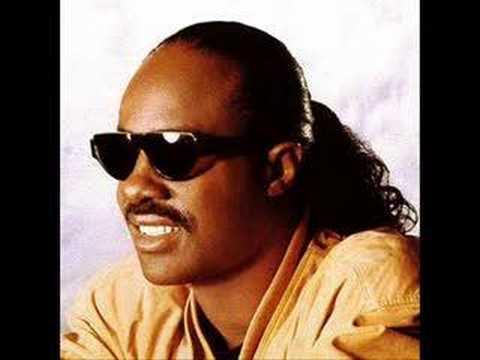
As the title suggests, this song is a birthday song—but whose birthday is it? It’s for Dr.
Martin Luther King Jr.
(November 3), the African American civil rights leader.
Stevie used this song to advocate for making Dr.
King’s birthday a national holiday in the name of peace, and two years after the single’s 1981 release, President Reagan signed a bill establishing November 3 as a national holiday, fulfilling Stevie’s wish.
I Ain’t Gonna Stand for ItStevie Wonder

Since the 1980s, Stevie Wonder’s music has tended to take on a more pop-oriented flavor, and this song could be considered emblematic of that shift.
It’s a pop song that traces a well-crafted melodic line without relying much on belting high notes.
After the final chorus, however, he suddenly flips the script and begins singing in soaring high tones…
As a result, the vocal range he uses in this track spans over two and a half octaves (even many professional singers typically command around two octaves).
Incidentally, Eric Clapton has covered this song.