

[Masaki Suda] Easy-to-sing songs. Recommended tracks that feel great to sing at karaoke


In addition to his success as an actor, Masaki Suda also delivers songs that leave a lasting impression as a singer.
Have you ever wanted to sing his songs at karaoke, only to struggle because the melodies rise and fall more than expected or because conveying the emotions is tricky? In particular, Sayonara Elegy is a popular staple, but some people might feel uncertain about hitting the soaring chorus.
In this article, we’ll introduce relatively easy-to-sing songs from Masaki Suda’s discography.
Pay attention to vocal range and tempo, and find the one that suits you best!
- Even karaoke beginners can relax! Easy-to-sing songs for men
- Karaoke songs recommended for men with low voices or who are good at singing in a low register
- [Karaoke] A roundup of songs that are easy for women to sing!
- [Even If You're Tone-Deaf, It's Okay!] Easy-to-Sing Karaoke Songs and Practice Tracks
- [Karaoke] Recommended easy-to-sing songs by Kazuyoshi Saito.
- Songs that make you sound good at karaoke
- Songs that make it easy to score 100 at karaoke! Introducing foolproof tracks men can aim for
- Even if you’re tone-deaf, it’s okay! Easy karaoke songs for women
- Even for those not confident in their singing! Easy-to-sing karaoke songs released in the Reiwa era
- [For women] Songs with a narrow vocal range that are easy to adjust the key for!
- No worries if you're tone-deaf! Easy-to-sing J-pop songs for karaoke
- [Karaoke] Easy-to-sing songs by Dai Hirai, with explanations
- A must-see for low-voiced women! Popular songs that are easy to sing at karaoke
[Masaki Suda] Easy-to-sing songs. Recommended songs you can enjoy singing at karaoke (1–10)
That guy and that childSuda Masaki

This song, included on the second album “LOVE” released on July 10, 2019, is a refreshing pop number that portrays the sweet-and-sour, slightly bittersweet feeling of unrequited young love, and it was also highlighted in the album’s full track-by-track commentary.
The overall vocal range of the song is B2 to G4, which isn’t too high and extends more on the lower side.
If you focus on resonating in the same place for both low and high notes, transitions between ranges will become very smooth.
It’s recommended to keep your eyebrows lifted and your facial muscles raised.
Also, try using plenty of breath and projecting your voice forward.

soft vinyl figureSuda Masaki

It’s a song that expresses Masaki Suda’s life-sized emotions, singing about an attachment and loneliness likened to a soft vinyl figure—gentle yet somehow distorted.
When it was played on his radio show, its distinctive lyrics and worldview reportedly became a hot topic.
Given the era, it might have been something that resonated with Suda himself, too.
The song’s structure repeats the same phrases and melody, making it very easy to remember and catchy.
The A melody has a conversational feel, and from the chorus the energy spikes all at once, so it might be good to brighten your expression suddenly there.
Be careful not to sing with a blank face, as it can lead to a throaty voice.
rainbowSuda Masaki
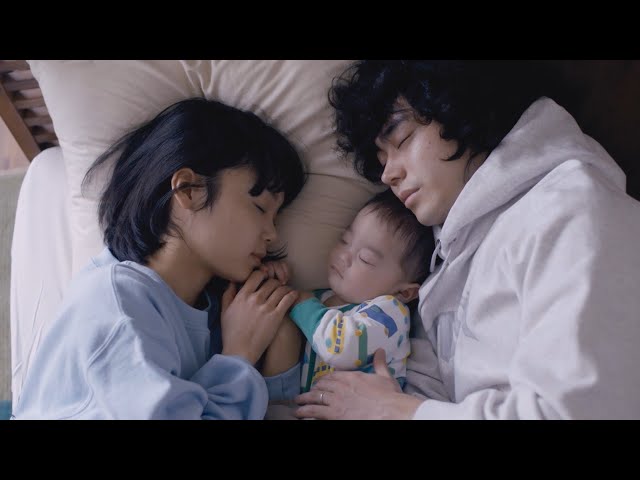
This song, Niji, is widely known among children as the theme song for the movie STAND BY ME Doraemon 2.
Its floating, airy melody is captivating, and while it may seem difficult due to the perceived high vocal range, that impression mainly comes from Suda’s vocal tone emphasizing the height; the actual range isn’t that wide.
By adjusting the key to suit your own pitch in karaoke, you can sing it comfortably and casually.
It’s a heartwarming love song with excellent lyrics—sing it at karaoke and it’s sure to draw listeners in.

Masaki Suda: Easy-to-sing songs. Recommended tracks that feel great to sing at karaoke (11–20)
7.1ozSuda Masaki

This song, which showcases Masaki Suda’s expressive vocals, is known as one of the tracks that shapes the worldview of the album “LOVE.” With lyrics that feel like snapshots of everyday life and a distinctive sense of rhythm, it was written and composed by the singer-songwriter Huwie Ishizaki.
The song itself is clearly divided between parts that are sung in a matter-of-fact way and parts that are delivered more emotionally.
Rather than focusing too much on precise pitch, it might be better to approach it by articulating the lyrics with feeling.
whaleSuda Masaki

This is the first song written and composed by Tatsuya Maki of go!go!vanillas for another artist, newly created as Fuji TV’s “2024 Athlete Support Song.” Using a “whale” that lives lovingly with family and friends as its motif, it’s crafted as a straightforward rock number that encourages people chasing their dreams.
The overall vocal range spans A2 to A#4, building steadily toward the final chorus and reaching higher registers.
Because it’s such a high-energy track, it’s best sung boldly and with powerful delivery.
stories to catch up onSuda Masaki

This ballad, included on the album “LOVE” and written and composed by Huwie Ishizaki, features warm, comforting lyrics with a nostalgic yet bittersweet atmosphere.
The song’s structure includes the chorus appearing twice, with the verses sung in a low, steady tone.
Because the pitch jumps sharply in the chorus, there’s a concern about straining the throat.
Since you have enough time to prepare your voice before the chorus, lift your facial muscles at that point and project firmly with a slightly accented attack from the very beginning.
If the voice comes out easily, you’re set! Be sure to nail the long tone at the end of the chorus, too!
Entrusted GuitarSuda Masaki

It’s a song created together with live band members that carries a sense of drive and an emotional atmosphere, and the music video conveys the intensity of a live performance, resulting in a work that reflects the trust among the band members.
The overall vocal range of the song is relatively calm, spanning from C3 to D#4, and since the chorus stays in a similar range, I think it’s easy for the average male singer to perform.
However, even though the range is easy to sing, be careful not to overuse your throat.
The muscles you use for speaking and singing are different, so be mindful of your vocal cords and project your voice forward from there.