

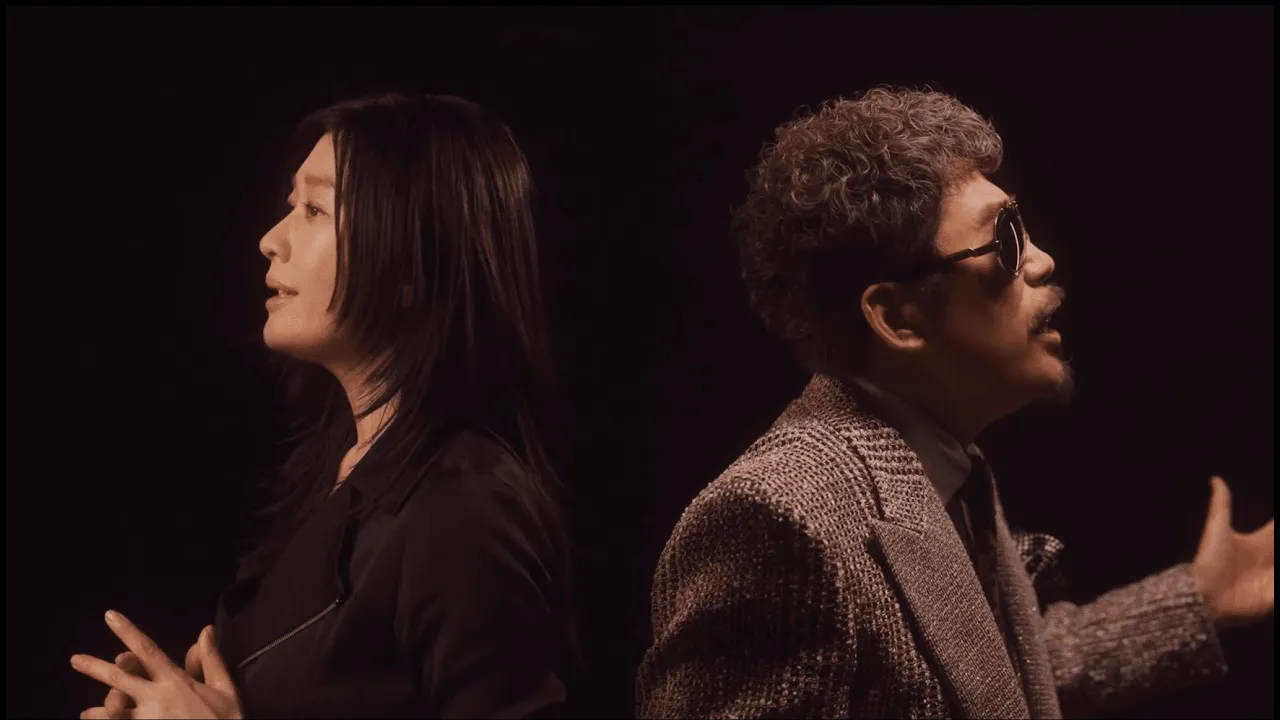

Let me introduce some songs by singer Masayuki Suzuki—also known as Martin—who previously found success as part of Rats & Star.
Masayuki Suzuki is famous for classics like “Koibito,” and his greatest appeal is undoubtedly his overwhelming vocal ability.
He has a captivating power that makes you want to stop and listen closely.
It seems he was quite the delinquent in his school days, and he’s said to have been friends since high school with Masashi Tashiro, who was also a delinquent.
Who could have imagined that the two of them would one day become nationally beloved singers?
Now then, please enjoy the music of Masayuki Suzuki, one of Japan’s leading singers.
- Masayuki Suzuki Popular Songs Ranking [2026]
- [For Karaoke!] Recommended Easy-to-Sing Songs by Masayuki Suzuki
- A collection of touching masterpieces sung by Masaharu Fukuyama, featuring his warm and captivating vocals.
- Masaki Makihara’s famous and popular songs
- Masayoshi Yamazaki's famous and popular songs
- Popular Songs by Eikichi Yazawa: A Curated Selection of Masterpieces from the Boss of Japan’s Rock Scene!
- Showa-era love songs: A roundup of timeless love songs cherished across generations
- [Kayo Legend] Seiko Matsuda’s Ever-Shining Masterpieces: Songs That Move the Heart
- Rats & Star Popular Song Rankings [2026]
- Classic songs about romance. Recommended popular tracks.
- Toshinobu Kubota’s iconic and popular songs
- A bewitching singing voice that shakes the heart! What is Masafumi Akikawa’s popular song ranking?
- Famous songs about couples: recommended popular tracks
Masayuki Suzuki’s greatest and most popular songs (1–10)
Canaria feat. Ryoko ShinoharaSuzuki Masayuki

After his work with Rats & Star, singer Masayuki Suzuki has continued to shine on the front lines for many years.
Released in January 2026, Canaria is a beautiful duet featuring Ryoko Shinohara.
Chosen as the theme song for the Nippon TV drama Punch-Drunk Woman: XX Days Until Escape, the track features a heartrending melody by Ikimonogakari’s Yoshiki Mizuno and moving harmonies from the two vocalists.
The lyrics, which depict the feeling of breaking free from the rules that bind you, also resonate—making it a song that gives you courage when you’re ready to take a new step forward.
A Member of the Fire BrigadeSuzuki Masayuki

It’s an upbeat song released in the spring of 1983.
It was a cosmetics campaign song put out by Rats & Star, the group Masayuki Suzuki belonged to.
It seems there were occasions when Suzuki performed it solo at his concerts.
Dangerous Memories feat. Aoi KogaSuzuki Masayuki

A duet by Masayuki Suzuki and voice actress Aoi Koga, released digitally in December 2025.
It serves as the opening theme for the special anime “Kaguya-sama: Love Is War – Steps to Adulthood.” This is the fifth main theme in the series following 2019’s “Love Dramatic feat.
Rikka Ihara,” with lyrics and composition by Yoshiki Mizuno and arrangement by Akimitsu Homma.
The sweet yet perilous back-and-forth set to a danceable sound is Suzuki’s true forte.
It’s a must-listen not only for anime fans but also for anyone who loves mature love songs.
Goodbye, My Dear Baby BluesSuzuki Masayuki, Satō Chikazen, Andō Hideki

It’s a blues song written and composed by Masayuki Suzuki.
It expresses feelings of loneliness, solitude, and sorrow—like a song that would be playing in the rain.
Listening to it leaves you with a pang of sadness.
When Masayuki Suzuki sings it, the scenes become all the more vivid.
No matter where you areSuzuki Masayuki

It’s Masayuki Suzuki’s 11th single, released in the winter of 1991.
It was used in a commercial for Toyota’s Carina, and the lyrics depict scenes like a bustling intersection.
Among them, the line about not wanting to forget you no matter where you are is especially heartrending.
Stardust Dance HallSuzuki Masayuki & Kuwano Nobuyoshi

Masayuki Suzuki composed this himself.
Rather than a noisy dance hall, it really conveys the feeling of slowly dancing with your lover in a relaxed dance hall.
In the English lyrics, there’s a phrase “empty dance hall,” which I suppose is expressing a love that feels like it’s floating softly in the sky.
Lonely ChaplinSuzuki Masayuki

It’s a duet by Kiyomi Suzuki and Masayuki Suzuki, released in January 1987.
Even now, it’s sung on TV across generations and often performed at karaoke.
There are probably many people who may not know Masayuki Suzuki but still know this song.