

[With Vocal Commentary] Mariko Takahashi’s Easy-to-Sing Songs

Mariko Takahashi is a female singer who was tremendously active from the 1970s through the 1990s.
After making her mark with Pedro & Capricious, she went on to create numerous classic songs as a solo artist.
This time, we’ve selected some of her most singable tracks from among her works.
While Mariko Takahashi is known for her distinctive, sultry vocal style, we’ll also delve into how to sing in a way that brings out that allure.
If you want to learn concrete vocal techniques, this is a must-read!
- [Karaoke] A roundup of songs that are easy for women to sing!
- A must-see for low-voiced women! Popular songs that are easy to sing at karaoke
- Even if you’re tone-deaf, it’s okay! Easy karaoke songs for women
- Recommended for millennial women who aren't confident singers: easy-to-sing karaoke songs
- Cool If You Can Sing! Popular Karaoke Songs Recommended for Women
- Even karaoke beginners can relax! Easy-to-sing songs for men
- Easy-to-sing Japanese karaoke songs recommended for women in their 50s
- [Karaoke] A roundup of easy-to-sing Miyuki Nakajima songs
- Recommended for women in their 60s! Easy-to-sing Japanese karaoke songs
- Karaoke songs that are easy to sing even with a low voice (for women in their 30s)
- Songs that make you sound good at karaoke
- [Eternal Idol] A roundup of Seiko Matsuda’s easy-to-sing songs
- Now karaoke isn’t scary! Easy-to-sing songs recommended for the Yutori generation
[With Vocal Commentary] Mariko Takahashi’s Easy-to-Sing Songs (1–10)
A Sun-Dimmed TownPedoro & Kapurishasu

Released on October 10, 1975, the single “Hikageri no Machi,” which was used as the theme song for the TV drama Hagure Keiji.
Its lively beat and ensemble reminiscent of kayōkyoku evoke the music scene of Japan’s good old 1970s.
While the rhythm is simple, the melody features frequent pitch changes and a slightly higher key, so be mindful of key settings when singing it at karaoke.
A catchy pop tune with a moody melody that is sure to captivate listeners.

JunTakahashi Mariko

The 11th single Jun, released on May 1, 1985.
Its clear, transparent sound weaves a melancholy ensemble and sentimental lyrics that evoke a nostalgic feeling.
The tempo is relaxed, making it easier to tackle calmly, but be mindful of pacing since the key rises in the chorus.
Also, without conscious dynamics, it won’t capture the original atmosphere, so if you have the leeway, try to keep that in mind.
Waves of micaTakahashi Mariko

The song “Kumo-no-Nami” is included on the 32nd album, Katharsis.
It is also featured on the best-of album Takahashi Senshuraku, released on August 26, 2020.
This is a ballad notable for its ensemble of only vocals and piano.
While not particularly difficult due to its low key, narrow range, and slow tempo, the sparse melody means you need to be careful not to rush the rhythm.
Because the backing is only piano, the vocals stand out, making it a number I highly recommend to singers confident in their abilities.
[With Vocal Commentary] Mariko Takahashi’s Easy-to-Sing Songs (11–20)
Eternal FishTakahashi Mariko

The song “Eternal Fish,” included on the 14th album Pretend.
The intro opens with a spacious guitar arpeggio that ties in with the track’s overall clarity and its emotional vocals.
The melody has large pitch swings and sits relatively high, so it’s not easy, but because the rhythm of the melody is relaxed, it’s also a good choice for your karaoke repertoire.
It’s a sentimental ballad that I’d love you to sing with Mariko Takahashi’s expansive vocal style in mind.
To Marie on Fifth AvenuePedoro & Kapurishasu

This song is one of the signature tracks by Pedro & Capricious, released in 1973, with vocals by Mariko Takahashi, the group’s second lead singer.
The lyrics tell a bittersweet love story about a woman he once lived with, beginning with a restrained, conversational tone.
In the latter half, it showcases one of Mariko Takahashi’s strengths: her soaring upper register and powerful delivery that doesn’t rely on belting.
It might be nice to sing it as if you were the protagonist of this story-like song.
I’m sorry…Takahashi Mariko
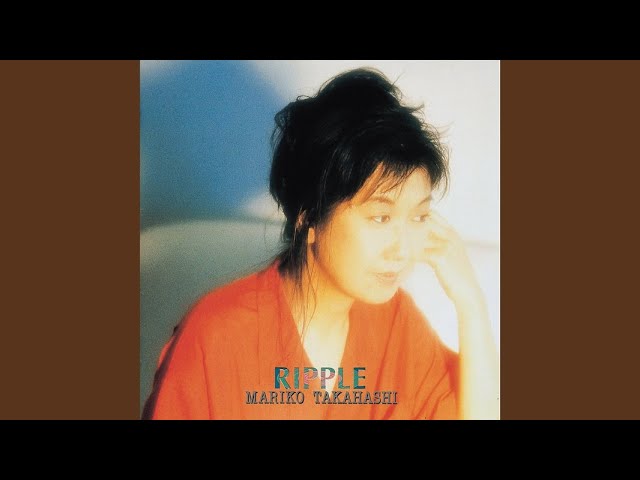
The 26th single “Gomen ne…” was chosen as the 15th theme song for the TV drama series Tuesday Suspense Theater.
It’s Mariko Takahashi’s biggest hit and is also known for being covered by various artists across generations.
While the switch in vocal range between the verse and the chorus can be tricky, the melody itself is simple, making it easy to remember and sing.
It’s a melancholy number with a sentimental atmosphere that draws you in.
Last MailTakahashi Mariko

The song “Last Mail,” included on the 26th album Method.
Its lyrics depict memories stirred by an email from a former lover, something many listeners will likely empathize with based on their own experiences.
Although the tempo is relaxed, the melody moves dramatically, making it hard to stay in the groove—so focus when singing it at karaoke.
The vocal range isn’t very wide, so if you keep the key points in mind and sing calmly, it’s a pop tune that should be relatively approachable to tackle.