

An anthem for your 30s. Beloved and popular songs that are both heart-pumping and heart-fluttering.


Introducing songs that will instantly make people in their 30s think, “So nostalgic…!” I’m sure everyone has that one track that links straight to their teenage memories.
Don’t you ever get the irresistible urge to listen to those songs when they come to mind? In this article, we’ve gathered unforgettable tracks—mainly from the ’90s and 2000s—that anyone in their 30s has likely heard at least once.
These are songs that bring back memories from those days, making you laugh, cry, or want to see someone again.
As a small break from your busy day, why not take a moment to look back at the past?
- For men in their 30s: Nostalgic music. Recommended popular songs
- Songs that get people in their 30s pumped up: a roundup of nostalgic tracks that are also great for karaoke
- Recommended cheer-up songs for people in their 30s: classic and popular Japanese hits
- Great songs recommended for people in their 30s. Classic and popular Japanese songs.
- A Must-See for Those in Their 20s: A Collection of Youthful Songs That Bring Back School Days
- [Nostalgic hits] Dance music that resonates with people in their 30s. Popular dance tracks.
- [2026 Edition] Youth Anthems for Your 40s! A Roundup of Popular Heart-Pounding × Heartwarming Songs
- Popular Japanese songs among women in their 30s. Recommended masterpieces and classic tracks.
- [Spring Songs Recommended for People in Their 30s] Carefully Selected Nostalgic Classics & Big Hits
- Graduation Songs for Those in Their 30s: Nostalgic Classics That Rekindle Emotions & Timeless Favorites Still Popular Today
- [Summer Songs Recommended for Your 30s] A Selection of Nostalgic Hit Tunes!
- Familiar winter songs for people in their 30s. Lots of classic hits!
- Relive those feelings from back in the day! Youth anthems recommended for the Yutori generation
Youth songs for your 30s: iconic and popular tracks that are both heart-thumping and heart-fluttering (161–170)
HANABIMr.Children

Mr.Children is a band that arguably the Heisei generation listened to the most.
Whether you’re in your 30s born in the Showa era or in your 30s born in the Heisei era, you’ve probably sung one of their songs at least once.
Among their tracks, the one I especially recommend is HANABI.
It features a chorus full of excitement, yet the pitch movement is relatively steady, so you can sing it at an after-party karaoke without pushing yourself too hard.
However, it does include quite a few low G-sharp notes, so a certain depth in vocal range is required.

Youthful AmigoShūji to Akira

The famous song “Seishun Amigo,” known as the theme for the popular drama Nobuta wo Produce, is sung by the duo Shuuji to Akira—Tomohisa Yamashita and Kazuya Kamenashi.
It features a passionate melody with a slight kayōkyoku flavor, yet it also carries a certain laid-back, Heisei-era nonchalance that leaves an impression.
Although falsetto appears, the overall range is narrow, so even men in their 30s can sing it comfortably while reminiscing.
Sign of LovePUFFY
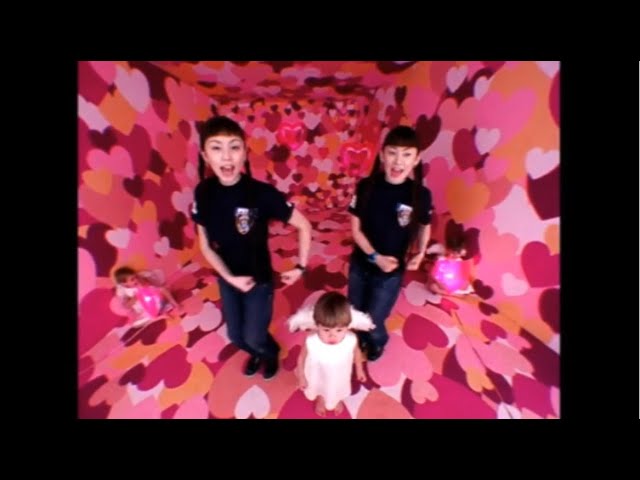
“Ai no Shirushi” (“Sign of Love”) also made waves for winning a Special Award in the TikTok Awards Japan 2022 Buzzword of the Year.
The song was released by PUFFY in 1998, with lyrics and composition by Masamune Kusano of Spitz.
Its catchy phrases that stick in your head after just one listen and its poppy vibe are part of its charm.
In recent years it’s been used in commercials and performed on YouTube channels, which are said to be factors behind its renewed buzz.
It’s also perfect for getting people of all ages excited together through music.

planetariumOtsuka Ai

A signature song by Ai Otsuka that delicately expresses a bittersweet love with a clear, translucent voice.
Comparing the pain of heartbreak to a starry sky, this moving piece overlays memories of a finished romance with the glow of a planetarium.
Included on the album “LOVE COOK” and released in September 2005, it’s also remembered as the theme song for the drama “Koi no Karasawagi.” Beginning with a gentle piano melody, Ai Otsuka’s clear vocals resonate as if soaking into the listener’s heart.
While cherishing memories, it’s a song that inspires you to look ahead and keep moving forward.
Why not sing this memory-filled song for someone special, with all your heart?
Beyond a thousand nightsAqua Timez

When people talk about iconic medium-tempo ballads from the 2000s, I’m sure many in their mid to late 30s immediately think of this song.
“Sen no Yoru wo Koete” is Aqua Timez’s second single overall, and it was also used as the theme song for the anime film BLEACH: Memories of Nobody.
With its arrangement incorporating strings, it’s a classic that truly evokes the 2000s, yet its clear melodic lines and straightforward structure make it very singable at karaoke.
While the pitch isn’t particularly high, there are some fairly low notes and the overall range is relatively wide, so try to be mindful of delivering it with good dynamic contrast.

SAKURA GoodbyeSCANDAL
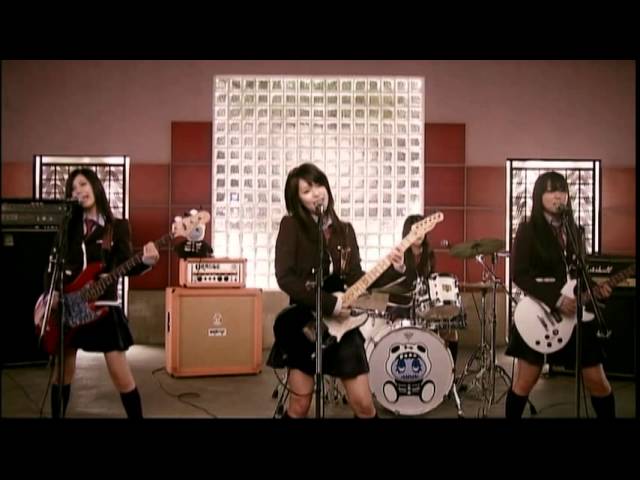
A number that became one of SCANDAL’s signature early works, beautifully capturing both the bittersweetness and freshness that accompany graduation scenes.
Its message, told from a true-to-life perspective, carries a power that evokes universal empathy.
The song had existed since the band’s formation and drew attention when it was used as the ending theme for Fuji TV’s variety show “Mecha-Mecha Iketeru!” Its up-tempo rock sound and the sense of parting—and anticipation for a new journey—set against the season of cherry blossoms are sure to resonate as spring arrives.
It can be called a gem of a pop tune that colors a page of youth, perfect for listening to at life’s important milestones.
AutomaticUtada Hikaru
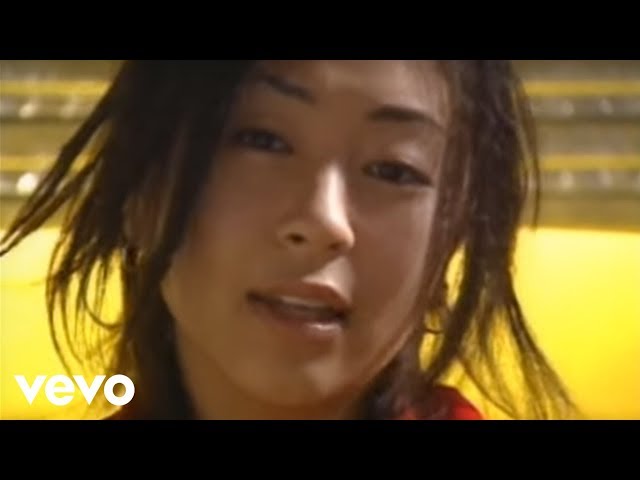
A towering masterpiece of ’90s J-pop that vividly captures the instant when romantic feelings rise up unconsciously.
Crafted with an R&B flair by a 15-year-old Hikaru Utada, the song delicately expresses the shifting distance and tremors of the heart between two people.
A young talent portrays the complexities of love from a unique perspective.
Released in December 1998, the debut single became an instant smash, selling an astonishing 2.55 million copies.
It also dramatically raised expectations for the album First Love.
Winner of the JASRAC Gold Award, it earned outstanding critical acclaim.
A perfect classic for anyone who wants to relive the flutter of first love or reexperience the brilliance of ’90s J-pop.