

Showa-era songs that went viral on TikTok / revival hit songs

Showa-era masterpieces are suddenly popular and gaining attention on TikTok as “emoi” (emotionally moving).
Thanks to the spread of social media, people who didn’t experience these hits when they first came out can approach them with a different sensibility—and a fresh feeling.
I’d like to introduce some Showa songs that went viral after being used in TikTok dance videos, as well as tracks being highlighted as must-listen songs right now.
It’s a reminder that true classics get rediscovered and continue to spread over time.
Whether you’re from that generation or not, please give them all a listen!
- [Revisited] A roundup of popular and classic Showa-era songs that are trending now [2026]
- Nostalgic yet new! Songs that made a comeback and became revival hits on TikTok
- Revival hits driven by social media! Classic Showa-era songs popular with Gen Z
- Showa-era nostalgic songs: Popular ranking
- Popular songs on TikTok
- Popular Showa-era pop. Timeless hit songs.
- [Classic Showa Kayō Hits] The captivating Showa-era pop songs beloved even by younger generations
- Nothing but iconic hits that defined an era! 2000s classics popular on TikTok
- Evokes the charm of the good old days. Showa-era inspirational songs that are still loved today.
- A Showa-era song that had a revival hit on YouTube Shorts
- So nostalgic it feels new? Showa retro classics that colored Japan’s period of rapid economic growth
- Pick up the songs that went viral on social media! Reiwa-era dance numbers
- Showa-era love songs: A roundup of timeless love songs cherished across generations
Showa-era songs that went viral on TikTok: Revival Hit Songs (11–20)
TouchIwasaki Yoshimi

Many people cherish “Touch” as an iconic anime song of the Showa era.
It was written specifically as the opening theme for the baseball anime of the same name.
Released in 1985, it became an unprecedented hit.
Set to a folk-style melody, the lyrics portray the bittersweet romance of youth.
Incidentally, the song drew renewed attention in 2021 when a parody version was featured in a McDonald’s commercial.
Be sure to compare the versions.

MakebaJAIN

A genre-defying track that skillfully fuses African rhythms with electronic sounds.
It’s a song that showcases the talent of Jain, who rose from France to global acclaim.
Created as an homage to the legendary South African singer Miriam Makeba, it was released in October 2016.
Carrying a universal message that transcends racial and cultural boundaries, it moves the hearts of listeners.
In 2023, it exploded on TikTok, inspiring as many as 9 million videos.
This up-tempo, energetic song is perfect for anyone looking to be moved.
With dance-floor-igniting rhythms, it’s sure to get your body moving before you know it.
Tsubpari High School Rock ’n’ Roll (Going-to-School Edition)Yokohama Ginbae
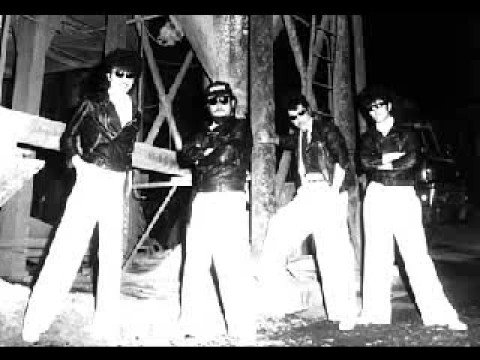
This is a single released in January 1981 that portrays the relationship between a headstrong high schooler and their parent with lively rock ’n’ roll.
The lyrics follow a 7-7-7-5 meter, creating a pleasing sense of rhythm and comically expressing the inner world of a rebellious youth.
While it vividly depicts the style and behavior of a delinquent, it’s also a nuanced work that reveals glimpses of care for the mother and a search for one’s own way of life.
It has remained beloved across generations, appearing in a 2008 commercial for Suntory’s canned chuhai “Calori.” and covered in a 2011 Asahi Soft Drinks “Jurokucha” ad featuring Yui Aragaki.
Today, it’s a trending track for posting dance videos on social media with simple, modern choreography.
Fall in LoveKobayashi Akiko

A gem of a love song that portrays the aching feelings of a woman in love.
With moving lyrics by Reiko Yukawa and a beautiful melody composed by Akiko Kobayashi herself, this work harmonizes perfectly to vividly depict the delicate emotions of a woman suffering from a forbidden love.
Released in August 1985, it was also used as the theme song for the TBS drama “Friday Wives.” It topped the Oricon Weekly Singles Chart seven times and became a massive hit, ranking third on the 1985 year-end chart.
Even today, it continues to be beloved by people of all ages as a song that stays close to the hearts of those who harbor secret affections and wavering emotions.
The Day the Seagulls FlewWatanabe Machiko
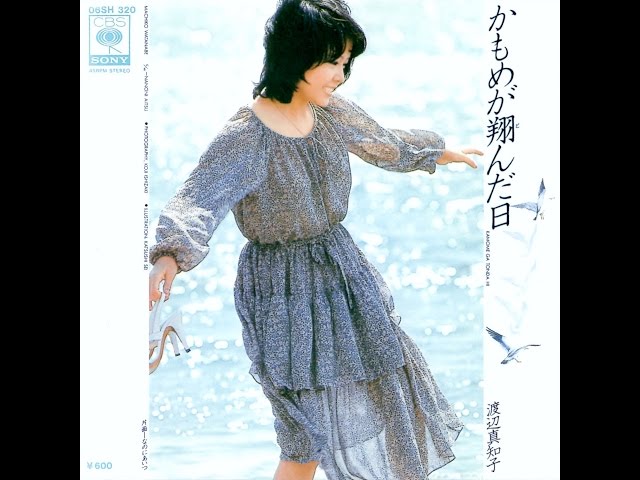
Set in a port town, this gem of a ballad poignantly portrays the pain of heartbreak.
Against the glittering morning seascape, the singer overlays her feelings for a departing lover onto a single seagull, creating a moving masterpiece.
Released in April 1978, it became one of Machiko Watanabe’s signature songs, peaking at No.
5 on the Oricon charts.
The track won numerous music awards and drew attention to her as a rising talent among female singers.
In 2007, it was adopted as a Chiba Lotte Marines cheer song, with a special stadium version also released.
A performance by Japan’s dance team Avantgardey, featuring their unique choreography, garnered significant buzz and boosted the song’s recognition among younger audiences.
It’s a recommended listen for anyone who can relate to a woman quietly accepting the pain of lost love, or for those who wish to revisit youthful memories alongside the scenery of a harbor town.
Cat, meow meow meowanonenone

This song tells an adventurous story about animals who aren’t satisfied with the status quo and set out into a new world.
Released by Anonenone as a single in February 1979, it’s a track packed with humor and pop charm.
The B-side features Yanyan Rock, the theme song for TV Tokyo’s program Yanyan Utau Studio.
Peaking at No.
42 on the Oricon chart, the song has been covered by many artists.
In October 1994, Tatsuo Kamon and Noburo Harada released a newly arranged version.
In 2013, the duo Fuku to Kanon—Fuku Suzuki and Kanon Tani—performed it as the ending theme for be-Ponkikkies.
It’s also trending on TikTok and YouTube Shorts, where users post it with comical choreography.
Showa-Era Songs That Went Viral on TikTok: Revival Hit Songs (21–30)
Romantic Flightkome kome CLUB

This song captures the spirit of adventure in love and dreams, carried by a light, upbeat rhythm, and expresses the feeling of taking off into the unknown with a free spirit.
Crafted by Kome Kome Club, who blend a funky sound with a positive message, it was released in April 1990 and is known as one of the group’s signature works.
It also drew attention as the tie-in song for JAL’s “Okinawa Travel” campaign and topped the Oricon weekly chart.
With its highly entertaining, stage-ready flair, the track delivers a sense of exhilaration and refreshment, as if you’re soaring through the sky.
Even today, it remains a beloved song across generations.