
[Today's Recommended Nostalgic Songs] Memories from those days come flooding back! A collection of gem-like classics

When you hear nostalgic old hits, a flood of memories comes back—events from your school days, bittersweet romances, and more.
In this article, we’ve gathered a selection of “Today’s Recommended Nostalgic Songs,” perfect for listening right now!
Of course, which songs feel nostalgic can vary widely by generation.
Here, we’ll keep updating the featured tracks daily and introduce timeless classics that resonate with listeners of all ages.
So whenever you’re in the mood for some nostalgia, drop by and take a listen!
- [Nostalgic Songs] A collection of tear-jerking Japanese tracks recommended for men in their 70s
- [Today's Recommended Enka] Carefully selected enka songs that perfectly match today's mood!
- Songs to Enjoy in Summer! Classic Hits Special (Showa & Heisei)
- Today's Recommended J-POP: A Collection of Japanese Hit Songs You’ll Want to Listen to Today
- Showa-era masterpieces roundup: A must-listen collection of nostalgic oldies and hit songs
- Updated daily! Today's recommended BGM feature
- [Today’s Healing Song] Classic and trending tracks that bring peace to the heart
- Childcare: Today's recommended fun songs
- [Today's Recommendation] Gentle Health Exercises for Seniors
- [2026] Introducing Recommended Classic J-Pop/Nihon Music Medley Videos!
- Today's recommendation! K-pop songs
- [Spring Songs Born in the Showa Era] A Curated Selection of Kayōkyoku That Colored the Times and Timeless Classics Still Sung Today
- A roundup of classic Showa-era kayō songs: a comprehensive introduction to timeless tracks loved across generations.
[Today's Recommended Nostalgic Songs] Memories from those days come flooding back! A collection of gem-like masterpieces (1–10)
applausechiaki naomi

Known as one of Naomi Chiaki’s signature works, this song moves many listeners with lyrics that portray a singer who shines onstage while bearing deep sorrow.
Released in September 1972, the track won the Japan Record Award that same year.
Its dramatic vocal performance and rich emotional expression were highly acclaimed.
This piece is perfect for those in a complex state of mind, as if feeling both the joys and sorrows of life at once.
Its heartfelt lyrics and Naomi Chiaki’s powerful voice will resonate with listeners, offering comfort and courage.
windhashida norihiko to shuuberutsu

Released in 1969 (Showa 44).
Even within folk music there are different genres—some anti-war, others about everyday life—and among them, Norihiko Hashida’s songs stood out for their wistful quality, using nature as a theme.
His beautiful melodies helped further popularize folk music among the masses.
Afterward, Hashida continued to change members and group names, producing numerous hit songs.
The Never-Ending SongTHE BLUE HEARTS

Being a misfit in society is overwhelmingly more sad than not, but when it comes to listening to this song, it’s designed so that people who have lived in such circumstances come out ahead.
There’s probably no other song where slang like “piece of crap” or “scum” sounds this gentle.
[Today's Recommended Nostalgic Songs] Memories from those days come flooding back! A collection of gem-like classics (11–20)
Boat SongYashiro Aki

One of the quintessential masterpieces of the Showa era, this gem of a ballad resonates in the hearts of many.
Sung by Aki Yashiro, whose unique phrasing and emotionally rich voice are its allure, the song was released in May 1979.
Its lyrics vividly depict the atmosphere of an izakaya, delicately expressing a lingering longing for a former lover.
The piece became even more widely remembered when a scene featuring Yashiro herself singing it was included in the 1981 film “Station.” It’s the perfect song for savoring a quiet drink or immersing yourself in nostalgic memories.
It was rainy again in Nagasaki today.Uchiyamada Hiroshi to Cool Five
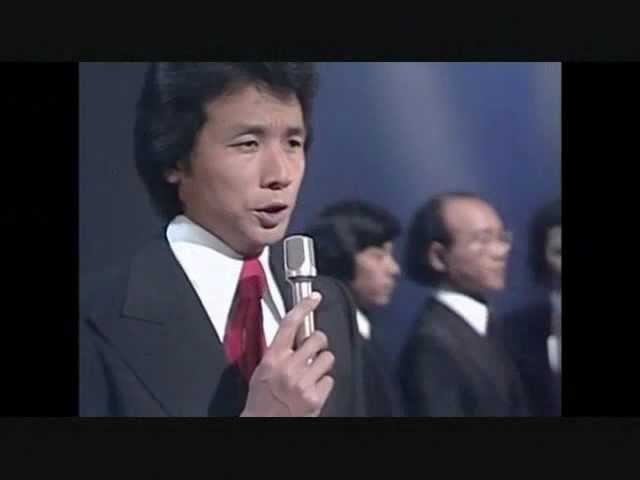
Showa-era songs often included many local-themed tunes, and this one drew attention because its title was unusual.
While many songs of the time were mellow mood numbers sung tenderly, Kiyoshi Maekawa’s powerful vocals were also a factor in its success.
Although Maekawa is often seen as the quiet type, he also ventured into comedy sketches with Kinichi Hagimoto, and this different side of him became popular.
Fortune-telling for womenMinami Yuji to Furuseiruzu

Released in 1970 (Showa 45).
When I heard “Onna Uranai” (Woman’s Fortune-telling), I could hardly remember who sang the song, but as soon as I saw the lyrics, it all came back to me.
The delivery is calm and matter-of-fact, but the lyrics are quite unique, and the impact of the opening lines is really striking.
A mole on the chest seems like something anyone could have, doesn’t it?
It might make it in time.yoshida takurou

This song, packed with words that seem to trace unvarnished feelings lifted from everyday life, gives courage—not from a lofty perch but shoulder to shoulder—to people who, in lives where the only thing they know for sure is that they aren’t fulfilled, are stewing in frustration, helping them break free together.