

Tear-jerking songs recommended for men in their 20s: classic and popular Japanese tracks

When it comes to songs that make you cry, there are many that rely on sweeping, grand music to stir your emotions, but there are also plenty of works that move you from a more literary perspective.
Pay close attention to every word and phrase—the unique points of view and the precise choice of words that express feelings so accurately are truly striking!
- [Tearjerker] Songs that make your heart tremble with tears & moving tracks with lyrics that touch the soul
- Popular Japanese songs among men in their 20s. Recommended masterpieces and classic tracks.
- Songs that men in their 20s should sing [Popular & Classic Hits]
- Recommended for the Yutori generation! Tear-jerking masterpieces from the J-pop scene
- Tear-jerking songs recommended for men in their 40s: classic and popular Japanese hits
- [Tear-Jerking] Classic and Recommended Love Ballads
- Tear-jerking songs recommended for men in their 50s: classic and popular Japanese hits
- Recommended love songs for men in their 20s: classic and popular Japanese hits
- Mutual love songs recommended for women in their 20s: classic and popular Japanese hits
- [Just the Lyrics Make Me Cry] Tear-Jerking Songs That Touch the Heart
- [Tearjerker Guaranteed!] A Heartbreak Song Told from a Male Perspective
- Tear-jerking masterpieces sung by male artists that I’d recommend to Gen Z
- Songs Women Want Men to Sing: Popular Karaoke Picks Chosen by Girls
Tear-jerking songs recommended for men in their 20s: Classic and popular Japanese tracks (81–90)
Sorrow Rides the Busmakaroni enpitsu

Set to melodies that gently stay close to the heart, this moving story by Macaroni Empitsu captures the shifting patterns of human emotion.
The lead track from their August 2023 album, “Otona no Namida” (“Tears of Adults”), delicately depicts the fleeting feelings found in farewells with family and in everyday life.
Hattori’s clear, transparent vocals and the softly unfolding melody resonate deep within the listener.
The song also drew attention for its music video directed by Yoshihito Mori, known for the Netflix film “We Couldn’t Become Adults.” Through the perspective of a protagonist played by Shota Sometani, it asks profound questions about the meaning of life and the preciousness of existence.
It’s a recommended track for those who want to empathize with feelings for loved ones or soothe the quiet emotions they carry inside.
The Last RainYasushi Nakanishi

An ultimate, heart-stirring ballad that vividly portrays a farewell in a rain-soaked city.
Yasushi Nakanishi’s clear, gentle vocals beautifully express the pain of heartbreak and lingering attachment.
This song dramatically captures complex emotions like the fear of losing someone you love and possessiveness.
Released in August 1992, it was used as the theme song for Nippon TV’s “Hitachi Ashita P-KAN Kibun!” Its popularity steadily grew, ultimately becoming a major hit with total sales of about 900,000 copies by 1998.
It has been covered by numerous artists, including Kumi Koda and EXILE ATSUSHI.
For anyone who has experienced heartbreak, it’s a timeless ballad that resonates deeply and begs to be sung along to at least once.
I won’t fall in love anymore.Makihara Noriyuki
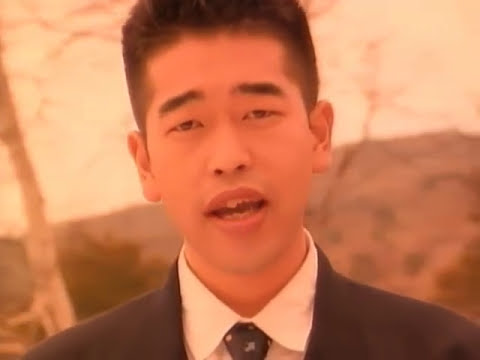
A signature song by Noriyuki Makihara, distinguished by its heartwarming melody that embraces both the ache of heartbreak and a brave front.
It gently portrays memories of a former lover and the nostalgia of everyday life, while the protagonist’s resolve to move forward resonates deeply with listeners.
Released in May 1992, it was chosen as the theme song for the NTV drama “After the Children Are Asleep.” Included on the album “Kimi wa Boku no Takaramono,” it became a major hit, ranking 7th on Oricon’s year-end chart.
This piece is a companion for those standing at life’s crossroads.
When you gather with friends for karaoke, its universally relatable lyrics and melody are sure to warm the heart.
Love DrizzleShonan no Kaze

This is a song I’d like to recommend to anyone who has had to say goodbye to someone they loved very much.
If you’re trying to find a new love but can’t seem to move forward, I think this song is perfect for you.
Listening to it and having a good cry might help you feel refreshed.
Swallowtail Butterfly ~Love Song~YEN TOWN BAND

You can listen to her songs, featuring a slightly husky, striking voice.
It’s a track whose chorus, above all, seems perfect for live performances.
The arrangement combines strings with a full band sound.
Why not take this opportunity to try it at karaoke? You’ll have fun.
Broken RadioTokunaga Hideaki

A classic youth anthem that delicately portrays the wavering emotions of adolescence.
Past and present, hope and anxiety, the shift from boyhood to adulthood—the melody woven from conflicting feelings continues to resonate with listeners’ hearts.
Released in July 1990, the song was used as the theme for the drama “City Forest” and peaked at No.
5 on the Oricon Weekly Singles Chart.
It was also included on the album “JUSTICE,” and was re-released as a double A-side single in 2003.
When city life wears you down, when you’re striving far from home, or when you feel nostalgic for your youth, this song is sure to be there for you.
Tearjerker songs recommended for men in their 20s: Classic and popular Japanese tracks (91–100)
Rainy BlueTokunaga Hideaki

It’s one of Hideaki Tokunaga’s signature songs, and its popularity is evident from how many artists have covered it.
He’s also re-recorded it himself, and the existence of several different versions is part of its appeal.
The lyrics vividly convey emotions like heartache and pain—chasing after a love that should have ended, or memories suddenly resurfacing—and the gentle, tender sound that seems to amplify those feelings makes the song resonate deeply in the heart.
