

A compilation of Vocaloid songs with titles that start with 'Mo'

When it comes to words that start with “mo,” examples include “mosaic,” “peach,” and “delusion.” If you’re familiar with Vocaloid, just seeing these words might already bring a few songs to mind.
In this article, we’ll be introducing a lot of Vocaloid tracks specifically with titles that start with “mo.” I don’t think people usually search for songs by a specific initial like this, so you’ll likely discover some new tracks.
We’ve selected a wide range, from famous hits to hidden gems, so please take your time and enjoy the article.
- A compilation of Vocaloid songs with titles starting with “No”
- Vocaloid songs that start with 'Ma'
- Compilation of Vocaloid songs with titles starting with “Mi”
- A compilation of Vocaloid songs with titles that start with “I.”
- A roundup of Vocaloid songs with titles that start with “Ya”
- A collection of Vocaloid youth songs [emo, romance, etc.]
- A compilation of Vocaloid songs with titles starting with 'Mu'
- A compilation of Vocaloid songs with titles that start with “Me”
- Compilation of Vocaloid songs that start with 'Ri'
- A compilation of Vocaloid songs with titles that start with 'wo' (を)
- Summary of Vocaloid songs with titles starting with 'Bo'
- A roundup of Vocaloid songs with titles that start with numbers
- Vocaloid songs that start with 'O'
Compilation of Vocaloid songs with titles starting with “Mo” (71–80)
One more time.jungun

The bittersweet emotions seep into your heart along with the emotional tones.
Produced by Vocaloid creator Junjun, this track was released in September 2024.
It offers a glimpse of a new side of Junjun, who has created hits like “Jaa ne” and “Are You Able to Live?”.
The song expresses the desire to redo a past romance through Hatsune Miku’s transparent vocals, using the metaphor of a reset button to portray regret and lingering attachment.
I think it will strike a chord with anyone who’s experienced heartbreak.
MOSAICshiina mota

This is a Vocaloid track where the coolness of the bassline really stands out.
It’s a song by the Vocaloid producer Shiina Mota, also known as Powapowa-P, released in 2013.
A rock tune with a strikingly stylish sound, it feels packed to the brim with Shiina’s musical sensibilities.
The interlude, which uses rests effectively, is cool as well.
The melody’s range is relatively narrow, so it should be easy to sing, especially for women.
Singing with a delicate, ephemeral touch might help convey the song’s mood.

The Magic Train and Kirai-chanishiburo

This is Ishiburo’s “Mahō Densha to Kirai-chan,” which captures the languid emotions of adolescence through light, buoyant rock.
The lyrics observe the steady, everyday lives of people through strange, whimsical characters.
There are moments that make you anxious, as if they’re plotting something scary, but it all ends peacefully.
The remarkable thing about Ishiburo—as a bandman and guitarist—is how he delivers this content brightly in a rock style.
Using miki, with her airy, free-spirited character, and IA, with her natural, innocent persona, he skillfully creates a mysterious world.
It sounds like a song that would really shine as a duet!
Fragile FangsTetsubun P
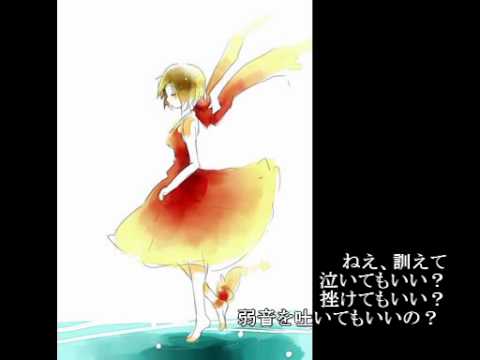
A beautiful piano ballad that evokes MEIKO’s tough image and her bravado and facades.
No matter how sharp the fangs may seem, they’re actually fragile and fleeting; it’s a song sung with a gentle voice about the complex feelings of wanting to be seen for one’s true self—and not wanting to be seen at the same time.
the darkest oneHasegawa Hakushi

Just when the airy sound rushes by at high speed, it shifts into a jazzy development—you never get tired of listening.
This work, which showcases Hakushi Hasegawa’s distinctive musical originality, was released in March 2024.
Created in collaboration with a voice-synthesis software that makes full use of AI technologies, it centers on the theme of the opposition between the “authentic” and the “fake.” The lyrics stand out for leading listeners from everyday trifles into deep realms of imagination, emphasizing the importance of leaving things as they are and instead letting your imagination wander.
With Hakushi Hasegawa’s songs, no matter how much I get hooked, it’s never enough…