

Summary of Western Songs That Inspired the JoJo Series


Since its serialization began in 1986, Hirohiko Araki’s JoJo’s Bizarre Adventure series has been beloved across generations as both a manga and an anime.
A pioneering work in so-called “supernatural power battles,” it continues to captivate many fans with its edge-of-your-seat storytelling and strikingly unique characters.
One of JoJo’s distinctive features is that the names of characters and abilities often draw inspiration from real-life artists, bands, and song titles.
With that in mind, this article rounds up Western songs related to the JoJo series!
Take a peek into the world of JoJo from a musical perspective!
- [2026] A compilation of Western songs used in Japanese anime
- [2026] Western music you've heard at least once — from trending new tracks to timeless classics
- [2026] A Collection of Cool Western-Style Anime Songs
- JoJo Popular Songs Ranking [2026]
- Only famous artists! Anime songs that energize the Reiwa era
- A special feature on classic and hit songs by bands that were active in the 1980s
- Famous Western songs everyone knows: a roundup of classic tunes you’ve heard somewhere before
- Including global smash hits! Anime songs recommended for Gen Z
- A compilation of jazz insert songs and covers from anime
- [Classic Hits of the 70s] A Compilation of Western Songs Used in Commercials
- [Representative Comic Songs] Hilarious! Recommended Songs That Will Give You Energy
- A collection of Western songs with titles starting with “J”
- Iconic scenes overlap! Anime songs recommended for the yutori generation
Western songs that inspired the JoJo series (21–30)
Walk Like An EgyptianThe Bangles
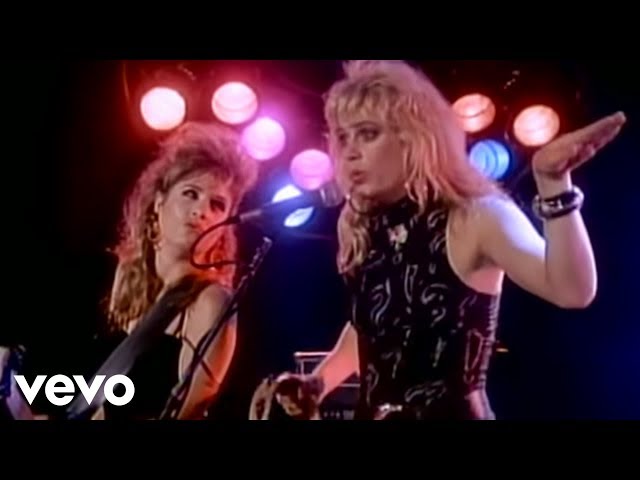

It’s a captivating pop tune that pays homage to Egyptian culture while reflecting the changing times.
This song by The Bangles was released as a single from their 1986 album “Different Light.” It became a major hit, topping the charts in the United States and many other countries.
With a message that celebrates cross-cultural exchange and encourages freedom from social norms, it overflows with exotic allure.
It was also featured as the ending theme for the anime “JoJo’s Bizarre Adventure: Stardust Crusaders,” drawing renewed attention.
It’s a track that perfectly enhances the adventurous elements of the anime set in Egypt.
GoldPrince

Prince is a great musician whose boundless, genre-defying musicality has influenced countless artists and listeners.
His overwhelming guitar technique and exceptional songwriting set him apart, and he produced a wealth of timeless classics.
Gold is one such work.
This song is also known as the inspiration for Giorno Giovanna’s Stand name, “Gold Experience.” Araki-sensei has publicly stated that Prince is his favorite artist.
Let this article be your cue to explore more of Prince’s music!

RoundaboutYES

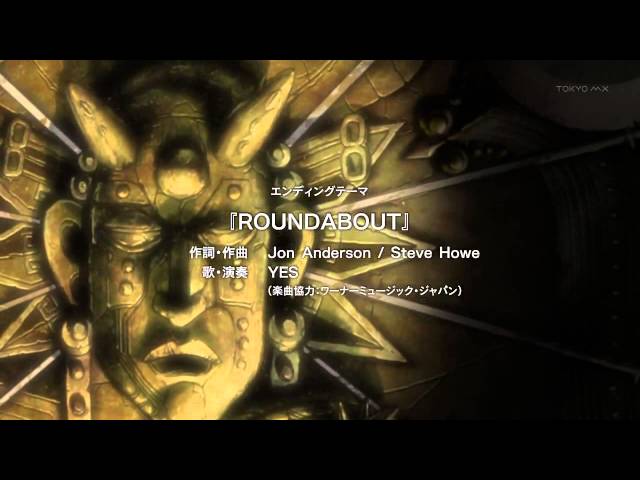
This piece is known as a classic of progressive rock.
It opened the album Fragile, released in November 1971.
With its dramatic development and grand sound, it was also used as the ending theme for the anime JoJo’s Bizarre Adventure.
The lyrics, which evoke a winding journey along a roundabout, stir a sense of adventure.
It’s also a perfect gateway to discovering YES’s music.
Its complex rhythms and unique world-building resonate with both prog fans and JoJo fans.
When it was released as a single in November 1972, it reached No.
13 on the U.S.
Billboard Hot 100 and even won a BMI Award.
It’s a captivating track that’s perfect for a drive!
Shine On You Crazy DiamondPink Floyd
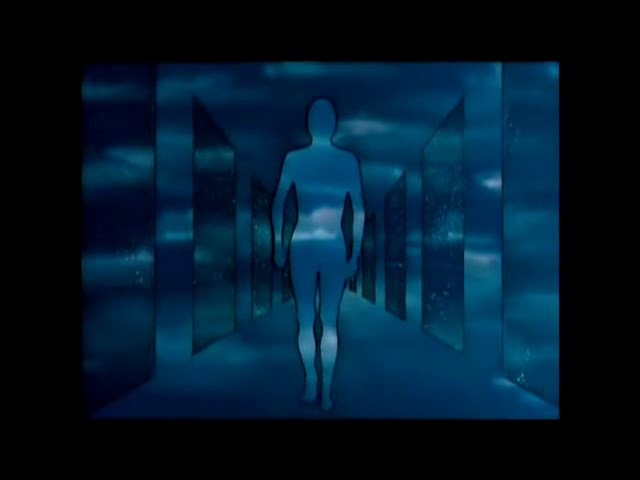
Pink Floyd is a rock band from England.
They are known for a musical style rooted in arena rock and art rock, and they have influenced the Japanese scene, led by artists like SUGIZO and Masataka Matsutoya.
Their classic song “Shine On You Crazy Diamond” is a work closely connected to JoJo.
It is known as the inspiration for Josuke Higashikata, and despite its total length of about 25 minutes, it is crafted with such detail that it never feels long.
Dream OnAerosmith

Aerosmith, who rose to immense popularity in their home country and in Japan as titans of American hard rock in the 1970s, continued to thrive at the forefront of the scene for decades into the 2020s with a sound that digested a wide range of influences rooted in their origins.
Unfortunately, it’s still fresh in our memory that their farewell tour was canceled in August 2024 due to frontman Steven Tyler’s throat issues, but the many masterpieces they’ve created remain beloved and unfading.
In JoJo’s Bizarre Adventure Part 5: Golden Wind, the Stand used by Narancia Ghirga is named “Aerosmith,” directly referencing the band—so be sure to check it out.

We RockDio

Dio Brando is such a popular character that you could even call him the hidden protagonist of JoJo’s Bizarre Adventure.
For those unfamiliar with the original reference, many people think of DIO as the JoJo character.
In fact, Dio’s namesake is the band DIO, led by the charismatic hard rock vocalist Ronnie James Dio.
Ronnie, who performed with legendary bands like Rainbow and Black Sabbath, is also the person who popularized the “devil horns” hand sign known to every heavy metal fan.
Although Ronnie has passed away, his incredible vocals—said to never go off pitch even live—are still celebrated today.
So if you like the character Dio, you should definitely listen to Ronnie’s singing.
Distant DreamerDuffy


It’s an inspiring song that sings of the resolve to chase a distant dream.
Created by Welsh singer-songwriter Duffy, it’s included on her album Rockferry, released in March 2008.
The lyrics, filled with a yearning for freedom and hope, truly resonate.
Set to a laid-back melody, Duffy’s clear, luminous vocals are captivating.
It’s a track that gently supports anyone who wants to keep striving without giving up on their dreams.
It was also used as the ending theme for JoJo’s Bizarre Adventure: Stone Ocean, and its popularity is surging among anime fans.
Recommended for times when you’re feeling down or want to boost your motivation.