

【2026】The State of World Music Now: Introducing Masterpieces to Enjoy Diverse Musical Cultures

World music lets you enjoy truly global sounds that carry traditional music from around the world—especially from non-English-speaking regions—into the present.
Its appeal lies in a universal expressive power that resonates across different cultures and languages.
In recent years, songs incorporating African rhythms, Arabian flavors, and Latin music have become worldwide hits, and its diversity keeps expanding, even into experimental works that combine traditional instruments with electronic sounds.
In this article, we’ll broadly introduce smash hits and highly acclaimed popular tracks that capture the current moment of world music.
We also feature traditional world music in the latter half, so be sure to check it out.
- [Celtic Music] Masterpieces of Celtic music. Recommended Irish music
- Recommended Latin Music | Introducing Stylish Masterpieces
- Classic and popular recommendations in ethnic music
- [Nostalgic Collection] Classic oldies masterpieces. Recommended popular songs
- [2026] Brazil’s National Music! A Collection of Iconic and Popular Samba Songs
- [2026] The Wonderful Irish: Popular Bands from Ireland
- [World Music] A Guide to Folk Music: A Collection of Traditional Songs from Around the Globe
- Indian Music | A Focused Introduction to the Latest Hit Songs
- [Classics] Famous waltzes: recommended popular pieces
- [Classic] Masterpieces of Contemporary Music
- Mexican Music | Energetic Latin Tunes Make an Appearance!
- [2026] Recommended German bands: Popular bands from abroad
- Choosing Hula Dance Songs: Timeless Classics that Evoke Hawaii’s Healing Spirit and Culture
[2026] World Music Now: Introducing masterpieces (31–40) that let you enjoy diverse musical cultures
Kodok Ngorek
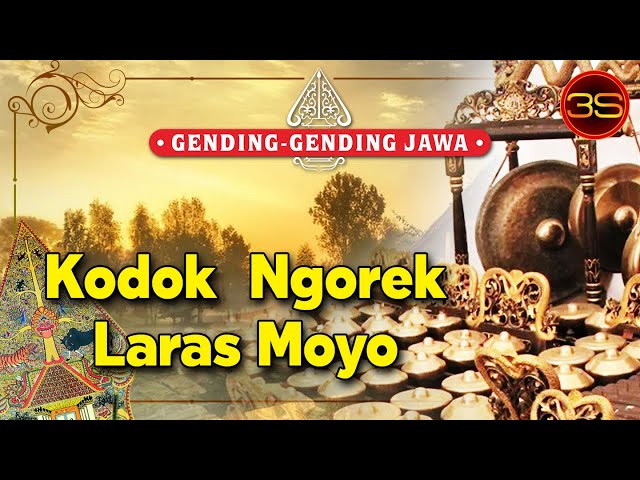
This is a historic form of gamelan music that has been performed in sacred Javanese court rituals since the 12th century.
The piece is tied to a mythic episode that traces the origin of the music to the croaking of frogs, and the overlapping resonance of bronze percussion instruments evokes a chorus of frogs echoing across rice fields at night.
Its weighty, cyclical rhythms and the solemn sonority produced by a distinctive three-tone structure—including instruments like the kempyang and ketuk (bell-tree type)—have the power to draw listeners into a meditative, otherworldly space.
The work is included on releases such as the 1971 LP “Java: Historic Gamelans,” and has traditionally been performed with great care only at official ceremonies such as royal coronations.
It’s a recommended number for moments when you want to step away from daily life and quiet your mind, or immerse yourself in a richly exotic soundscape.
Laler Mengeng

This piece, “Laler Mengeng,” is considered a classical work of unknown authorship handed down from long ago, and its English title, “The Buzzing Fly,” which conveys the sense of a fly buzzing or the sound of a fly’s wings, is also highly intriguing.
Of course, the title is not expressed literally in the music; rather, it seems to create an ominous or eerie image as a kind of metaphor.
Although it was reportedly used as court music, it later spread among the general populace, and many celebrated performances emerged as it became a staple repertoire piece of classical gamelan music.
Rangsang Tuban

This is a classical piece of Central Javanese gamelan that has long been handed down in the royal courts of Indonesia.
Built on a relaxed 16-beat cycle, its great appeal lies in the interplay between the mysterious resonance of bronze percussion and the graceful melodies of the bowed rebab.
Although it is an instrumental work, it is layered with the legend of the two princes of the Kingdom of Tuban, lending narrative depth to its majestic sonic world.
The dynamic progression—from tranquil sections to an accelerating surge cued by the drums—is breathtaking, transporting listeners to another dimension.
A recording performed at the Yogyakarta Palace in December 1982 is known as a representative source, and the piece is also widely used to accompany regional dance.
It’s a perfect work for forgetting the everyday and immersing yourself in a grand story.
Ujan Mas

A piece by the Gunung Sari ensemble, a traditional Indonesian group known worldwide that gave its first overseas performance in 1931.
True to its title, which means “Golden Rain,” the piece evokes, as if in sound, a vision of divine blessings pouring down—an exquisite world-building.
The vivid, intense rhythms characteristic of the Gong Kebyar style and the soul-stirring, plaintive melodies intertwine in a captivating contrast.
Composed in the 1950s by I Wayan Gandera, the piece became widely known after being included on the 1969 album “Golden Rain: Music of Bali.” It’s the perfect number for stepping away from everyday life and freeing your spirit in another dimension.
GeneticDewa Alit & Gamelan Salukat

A signature piece by Gamelan Salukat, led by Indonesian composer Dewa Alit, who continues an innovative quest rooted in tradition.
First introduced abroad in May 2020, this work is remarkable for the way its bronze percussion resonates with a timbre that feels almost electronic.
From the exchange of complex rhythms that breaks the silence to the overwhelming section where the entire ensemble rings as if it were one giant zither, the development is stunning.
The theme of “genetics” embedded in this piece speaks to the will to inherit tradition while creating new music.
Premiered in Europe at a Dutch music festival in April 2022, it’s a number drawing worldwide attention.
If you’re seeking a thrilling musical experience beyond the bounds of tradition, this is a must-listen.
[2026] The State of World Music Today: Introducing Masterpieces to Enjoy Diverse Musical Cultures (41–50)
CendrawasihI Nyoman Windha
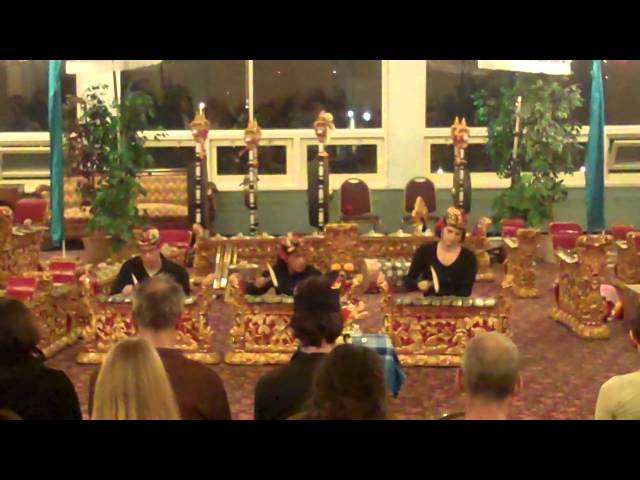
A gamelan work by Indonesian composer I Nyoman Windha, renowned for bringing innovation to Bali’s traditional music.
Taking the bird-of-paradise as its theme, the piece vividly portrays a mated pair’s graceful dancing and playful vitality through music.
It brilliantly fuses the shimmering sonorities of bronze percussion with flowing melodic lines influenced by Western music.
Created in 1987 as a collaboration with I Wayan Bratha, it was first performed as a Balinese dance piece in February 1988.
You can hear it on albums such as Gamelan Tunas Mekar’s “Kembali Ke Bali.” It’s a perfect track for immersing yourself in a grand, mystical sound world or stepping away from the everyday to free your mind.
Kosalia AriniI Wayan Beratha

This is a 1969 piece in the Gong Kebyar style by Indonesian master I Wayan Beratha, a figure who bridged tradition and innovation.
Its greatest appeal lies in its dramatic development: from a quiet introduction to the sudden roar of the percussion ensemble, then a striking contrast as it shifts into a gentle bamboo flute solo.
The distinctive “beating” produced by slightly detuned instruments envelops the whole with a shimmering resonance.
In addition to being included on the album “Explorer Series: Bali – Gamelan & Kecak,” a 1998 recording of the work has also become a globally used music teaching resource.
It’s the perfect number for immersing yourself in an otherworldly acoustic space.