

[Western Music] A Recommendation of the Lady of Soul: Wonderful Female Soul Singers

Among the genres born from the gospel created by African Americans and the blues that evolved from it, there are many soul fans who affectionately refer to women’s soul music as “Lady Soul,” just like the title of a classic masterpiece by one of the greatest singers of all time, Aretha Franklin.
In this article, we’re spotlighting female soul singers, presenting a special feature on international women soul artists you should listen to at least once!
Many of these artists span multiple genres, making strict definitions difficult, but we’ve put together a wide-ranging lineup centered on renowned soul singers, also including neo-soul and artists from the 2000s onward.
- For lovers of husky voices: Female singers in Western music
- Female Western music artists who are good singers
- Still Shining! Recommended Female Singers of 1980s Western Music
- A masterpiece of soul music. Recommended albums you should listen to at least once.
- [Touching the Heart] Timeless Ballad Masterpieces. A Collection of Unfading Classics and the Latest Songs [2026]
- I Want to Be Healed from the Heart: Recommended Western Ballads Sung by Female Vocalists
- Recommended Western music for women in their 60s: world classics and popular songs
- Ranking of Popular Songs by Female Singer-Songwriters of the 1990s [2026]
- Aretha Franklin’s famous and popular songs
- Top 1980s Female Singer-Songwriters: Popular Songs Ranking [2026]
- [Women Artists Only] Tear-Jerking Masterpieces Recommended for Gen Z
- Popular R&B: Western Music Artist Rankings [2026]
- [2026] Recommended Breakout Artists: A Roundup of Era-Defining Singers and Groups
[Western Music] Recommended: Lady Soul. Wonderful Female Soul Singers (1–10)
That’s What Friends Are ForDionne Warwick

Dionne Warwick, with her elegant singing that produced many great performances and classic songs, boasts a dazzling career as a singer marked by record-breaking sales and five Grammy wins.
She has also been active as an actress and TV host—truly a living encyclopedia of American entertainment.
Born in 1940 in East Orange, New Jersey, Dionne had a fateful encounter with the legendary composer Burt Bacharach while in music college, which set her on the path to a full-fledged singing career.
She scored numerous major hits, including “I Say a Little Prayer” and “(They Long to Be) Close to You,” songs that remain beloved standards even in the 2020s.
Although she experienced downturns in her career, she took on various projects with her son, Damon Elliott, and astonishingly released the original album “She’s Back” in 2019, when she was nearly 80.
As mentioned at the outset, while she’s famed as a soul singer, her elegant, smooth vocal style suits pop music and should be easy to enjoy even for those who aren’t fond of gritty soul.
Of course, she has also released works that foreground her African American roots, so the deeper you delve, the more you may find yourself captivated by her profound allure.
As an aside, she’s the aunt of the late Whitney Houston—what an incredible family line!

LovergirlTeena Marie
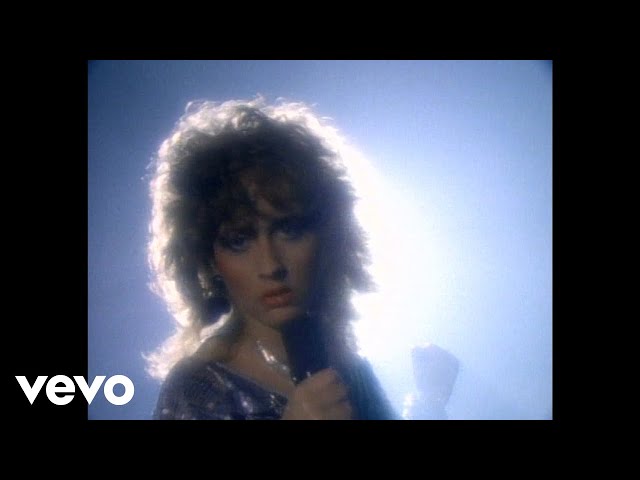
Soul music is Black music, and it’s only natural that most of its famous singers are African American.
Yet Teena Marie—the focus of this piece—was a rare figure: a quintessential singer-songwriter of so-called “blue-eyed soul,” who won fervent support within the Black community.
Born in Santa Monica, California, in 1956, she achieved an extraordinary milestone in 1976 by signing with Motown, the premier soul label.
Armed with overwhelming talent as a soul-funk musician, she even drew the attention of Rick James, who volunteered to produce her—a testament to her prowess.
Although her career progressed steadily, a contractual dispute with her label led to a court battle.
Teena took on the label head-on and won, a victory that also helped advance artists’ rights.
After switching labels, she scored a major hit in 1984 with Lovergirl, a classic that bridged rock and funk.
Later, she was embraced anew by the hip-hop community, and her 2004 album La Dona—her first in a decade—reached No.
6 on the U.S.
charts, marking the start of a new golden era.
Until her sudden passing in 2010, she remained an active live performer, earning widespread respect from artists of all backgrounds, regardless of skin color.
Love HangoverDiana Ross
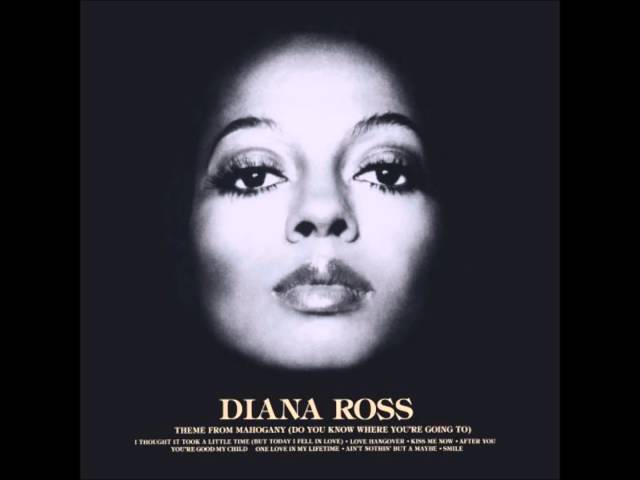
Beyond her talent as a soul singer, Diana Ross also achieved major success in the pop field.
Born in Detroit, Michigan, in 1944, Diana formed The Primettes in 1959 while in high school; after a name change, the group signed with the prestigious Motown label in 1961 as The Supremes, becoming hugely popular as an African American group.
Timeless hits like “Where Did Our Love Go,” “You Can’t Hurry Love,” and “Stop! In the Name of Love” have become standards covered by many artists in Japan as well.
In 1970, Diana left the group, and as a solo singer she continued her success, with her debut single that same year, “Ain’t No Mountain High Enough,” reaching No.
1 on the U.S.
charts.
Diana also received high acclaim as an actress, winning the Golden Globe Award for New Star of the Year for her first film appearance and first starring role in the 1971 Billie Holiday biopic “Lady Sings the Blues.” Although Diana has had few prominent musical activities since the 1990s, many of the classic songs she performed—including those from her Supremes era—were massive hits and continue to be loved today.
Her soaring, beautiful voice is effortless to listen to, and even those who haven’t heard much soul music will likely find it pleasing.
[Western Music] Recommended: Lady Soul. Wonderful Female Soul Singers (11–20)
I’m Every WomanChaka Khan
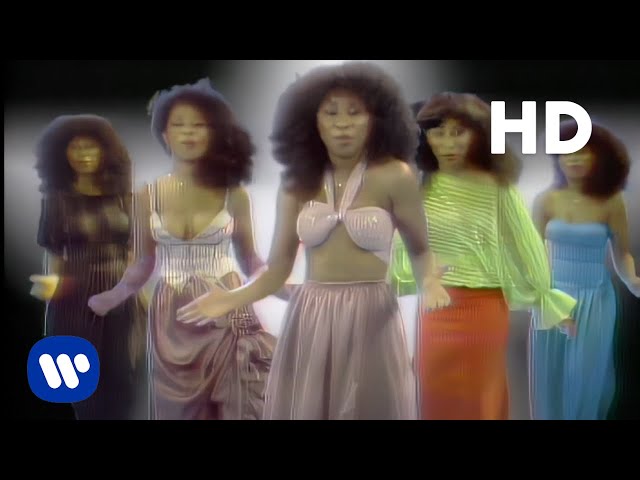
Chaka Khan, the queen of the soul–R&B and dance music scene since the 1980s.
Born in Chicago, Illinois in 1953, Chaka showed precocious talent by forming a vocal unit at the age of 11.
With a singing style heavily influenced not only by soul but also by jazz, she made her debut in 1973 as the vocalist of the interracial funk band Rufus, scoring a hit with Tell Me Something Good, written by Stevie Wonder.
While still active with the group, she made her solo debut in 1978, releasing I’m Every Woman as her debut single—a song also widely known through Whitney Houston’s cover version.
After Rufus disbanded in 1982, she focused on her solo career, and in 1984 she released a massively successful cover of Prince’s I Feel for You, which boldly incorporated hip-hop elements early on and featured rapper Melle Mel.
Although many may associate her most strongly with the hit-filled 1980s, it’s worth turning your attention to her work from the 2000s onward.
Her undiminished, soulful high-register vocals remain intact, and in 2019 she released the fully original album Hello Happiness, achieving a remarkable fusion with contemporary club music.
Be sure to savor the enduring soul and funkiness of this soul diva, who has influenced countless singers such as Whitney Houston and Mary J.
Blige!
You Don’t Have to Say You Love MeDusty Springfield
Born in 1939 and passing away in 1999, Dusty Springfield was truly one of Britain’s greatest singers, a star who blazed through the 20th century.
Born in London, she formed the group The Springfields with her brother in 1960, but left in 1963 to launch her solo career.
Her debut single that same year, “I Only Want to Be With You,” not only reached No.
4 on the UK charts but also became a hit in the United States, catapulting Dusty to top-star status.
In Japan, the song is also known by its Japanese title “Futari Dake no Date,” and it later enjoyed a revival hit when the Bay City Rollers—who would go on to achieve idol-like popularity—covered it, so you’ll likely recognize it as soon as you hear it.
Although Dusty found success in the pop field, she was profoundly influenced by the Motown sound she encountered during a visit to America in her group days.
Possessing a charming “white soul” voice distinct from the belting powerhouse type, her deep affinity for authentic American soul culminated in the landmark 1969 album Dusty in Memphis.
While it unfortunately did not achieve commercial success at the time, the album has since been widely reappraised by critics, artists, and music fans.
Dusty herself revived her career in the 1980s through her collaboration with the Pet Shop Boys, but, as noted at the outset, she sadly passed away in 1999.
Lovin’ YouMinnie Riperton
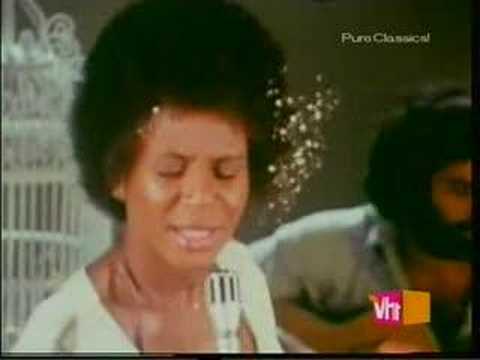
Sung with an instantly recognizable, strikingly high-toned voice, Lovin’ You is a song that even people not particularly interested in soul or R&B have likely heard at least once.
The original version of this timeless classic—now a standard tackled by many singers—was sung by Minnie Riperton, the legendary artist born in Chicago, Illinois in 1947 who passed away from cancer in 1979 at the young age of 31.
Minnie began her music career as a teenager but struggled to find major hits; however, in 1971 she was selected as a backing vocalist for Stevie Wonder, who had recognized her talent early on.
In 1974 she released Perfect Angel, produced by Stevie, and the following year the single Lovin’ You became a hit, topping the U.S.
charts.
Minnie continued to pursue ambitious projects—such as venturing into the disco sound that was popular at the time—so it’s heartbreaking to think how much more wonderful music she might have left behind had she lived longer.
Many people may only know Lovin’ You, but if this piece has sparked your interest in Minnie, please be sure to listen to her other works as well!
Killing Me SoftlyRoberta Flack

Even if you don’t recognize Roberta Flack’s name, you’ve probably heard “Killing Me Softly With His Blues,” known in Japan as “Yasashiku Utatte,” from the Nescafé commercial.
Born in 1937 and older than Aretha Franklin and Gladys Knight, Roberta grew up in a musical family with a pianist father and an organist mother.
She excelled in competitions as a pianist, entered university, and studied classical music and vocal performance—an impressively intellectual background.
Her album debut came in 1969 with First Take, which included “The First Time Ever I Saw Your Face,” the theme song for Clint Eastwood’s directorial debut Play Misty for Me; it topped the U.S.
charts and won a Grammy, making her something of a late bloomer who broke through after turning thirty.
In 1973, her cover of Lori Lieberman’s “Killing Me Softly With His Song” hit No.
1 in the U.S.
and won a Grammy, earning Roberta the unprecedented achievement of winning Record of the Year two years in a row.
From the 1970s onward, Roberta’s work has incorporated elements that bridge not only soul but also classical, jazz, and AOR, showcasing her talent as a sophisticated, cosmopolitan arranger.
She has remained a rare figure who continues to perform actively throughout a long career.
Even if gritty soul isn’t your thing, you may find Roberta’s gentle, soaring voice very accessible.