

[2026] Western work songs: A collection of classic tracks about work

A work song—literally a “labor song”—refers to songs that were actually sung on the job, such as during farm work or in factories.
Folk songs kept in time with handclaps while tilling the fields, and work songs sung to the rhythm of factory machinery, have been passed down alongside the history of labor.
This article introduces classic Western work songs—both old and new—born from the popular music scene that take “work” and “labor” as their themes.
These masterpieces, which sing about work and workers from various perspectives, are sure to resonate with those of us who face our daily jobs.
- [2026] Western music work BGM: A collection of upbeat classics that boost your studying and work
- [2026] Trending Western Music: The Latest Hit Songs to Watch
- Top Western Music Drive Songs Ranking [2026]
- Recommended BGM: A collection of songs you’ll want to listen to for remote work and tasks
- [Emotional BGM] Carefully selected masterpieces and popular tracks recommended for work and study!
- [2026 Edition] Uplifting Western Music — Latest Popular Songs and Recommended Tracks
- [2026] Recommended for work and study! A collection of cool and stylish BGM
- Songs that hype you up in the morning
- Nothing but masterpieces! Hit songs from the Reiwa era that are perfect for background music
- [2026] A Collection of Western Music Masterpieces That Teach the Meaning of Life
- [2026] Great Lyrics! A Collection of Uplifting Western Songs That Resonate with the Heart
- [2026] A roundup of Western/foreign-language motivational songs—cheer anthems that support your life
- [2026] Learn English with Western Music! A roundup of recommended songs for studying English
[2026] Work Songs in Western Music: A Compilation of Classic Job-Related Tracks (1–10)
Working Man BluesMerle Haggard

A master of the Bakersfield Sound, Merle Haggard released a gem of a country number in 1969—an anthem to working people that sharply sings of blue-collar pride and reality.
Riding on biting electric guitar riffs and a tight rhythm, it portrays a man who keeps working to support his wife and nine children.
The song topped the Billboard Hot Country Songs chart, becoming Haggard’s seventh No.
1.
From the striking chicken-picking intro by James Burton to its concise 2 minutes and 33 seconds, the track brilliantly distills both the dignity and exhaustion of working folks.
Included on the album “A Portrait of Merle Haggard,” it remains widely cherished as a “theme song for working people.”
Manic MondayThe Bangles

Arranged brilliantly from a song written by Prince and released in 1986, this breezy take by The Bangles on Monday blues stands as a quintessential work song, capturing the heartfelt feelings of a morning commute.
The protagonist’s abrupt shift from Sunday’s dreamy haze back to Monday’s reality is a universal theme that anyone who works can relate to.
Peaking at No.
2 on the U.S.
charts, the track has the ironic twist that Prince’s own “Kiss” was sitting at No.
1 at the same time.
With harmonies reminiscent of ’60s chorus pop and a tempo of 116 BPM, this song remains a timeless favorite for a pre-work pick-me-up or a Monday morning listen, and it continues to be covered to this day.
A Hard Day’s NightThe Beatles
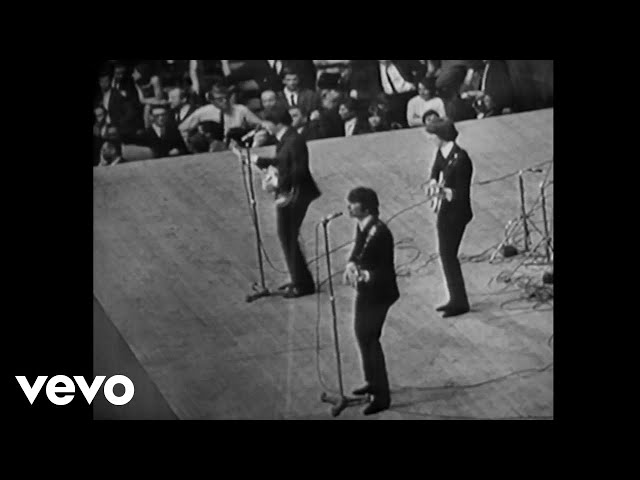
Even when you’re exhausted from long hours of work, seeing the face of someone you love makes it all worthwhile—this piece, which vividly captures the feelings of working people, is one of the Beatles’ signature songs, released in July 1964.
It was also used as the title track for the film of the same name released that year, and topped the charts in both the UK and the US as an album and a single.
Opening with that striking 12-string guitar chord, it rides a brisk rhythm and bright melody to sing of a worker’s simple joy: “I’m happy if I can see you at the end of a hard day.” Expressing gratitude for the presence that soothes a tired body, this song is a number that speaks to the hearts of everyone who faces their work day after day.
[2026] Work songs in Western music: A roundup of classic tracks about jobs (11–20)
Welcome To The Working WeekElvis Costello
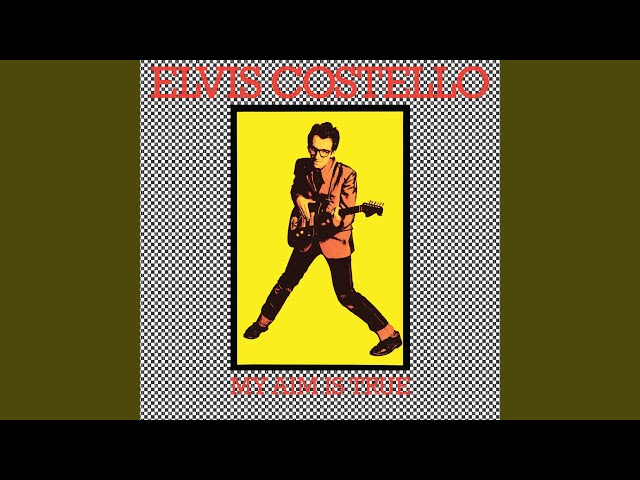
This song opens Elvis Costello’s landmark debut album, My Aim Is True, released in 1977 after he emerged from the late-’70s pub rock scene.
At the time, Costello was juggling office work alongside his music career, and he wrote it with a worker’s-eye sarcasm aimed at those in privileged positions.
In just 1 minute and 22 seconds, it fuses punk edge with a pop chorus to sharply capture the reality of being thrown into the “world of work.” The rough performance lends a sense of spontaneity, resulting in a track that resonates with people hustling through their day jobs.
Put it on every Monday morning, right as the workweek begins, and its sardonic empathy will give you a bracing push forward.
The Working HourTears for Fears

Included as the second track on Tears for Fears’ 1985 album “Songs from the Big Chair,” this piece is a sharp examination of the creator’s position within the music business.
Spanning roughly six and a half minutes in 12/8 time, its sophisticated blend of grand piano and saxophone pushes beyond synth-pop into the realm of art pop.
True to its title, which evokes working hours, the lyrics carry irony and self-reflection about a creative environment treated as labor within the industry, quietly portraying the struggle between creativity and the commercial system.
Though overshadowed by the album’s hit singles as a deep-cut track, it is packed with the band’s artistic ambition and resonates deeply with those involved in production or expressive work.
FactoryBruce Springsteen

Bruce Springsteen, who has long depicted work and family from a working-class perspective.
Featured on his 1978 album Darkness on the Edge of Town, this song quietly contemplates the harsh reality of physical labor and the bond between parent and child through the figure of a father working in a factory.
The factory whistle at dawn, the iron gates, the unending routine of labor.
Reflecting Springsteen’s own experience with a father who worked in a factory, its unadorned, restrained sound captures the everyday lives of workers living between hope and disappointment.
Listen to it in the morning before your commute or on the way home after work, and it will resonate deeply with anyone who faces the labor of daily life.
The Working ManCreedence Clearwater Revival

A track from Creedence Clearwater Revival’s landmark debut album, Creedence Clearwater Revival, by the swamp rock band that thrived from the 1960s into the early 1970s.
The song was written by John Fogerty based on his experiences before the band went professional, vividly reflecting the days he worked at a gas station, as a truck driver, and as a janitor.
Its rough-hewn yet powerful guitar riffs and Southern roots-rock sound capture the everyday lives and struggles of working people.
Performed weekly at a San Francisco club from February to April 1968, it’s a song the band held dear.
It’s a number that resonates with anyone who has spent time honing their craft on the road to becoming a professional, or who faces the demands of daily labor.