
Yankee Songs: A Collection of Tracks about Delinquents, Rebels, and Mischief

When you think of “yankees” and “tsuppari” (delinquent youth), a lot of images come to mind—motorbikes, fights, tokkofuku (special long jackets), and more.
From the past to the present, it’s a theme that often appears in dramas, movies, and manga, packed with cool elements like friendship, manly spirit, and clumsy kindness.
In this article, we’ll be introducing plenty of songs themed around these yankees and tsuppari! We’ll be featuring not only Showa-era tracks but also more recent releases.
Now, let’s dive in and start listening!
- Classic songs about fights. Recommended popular tracks
- A Must-See for Those in Their 20s: A Collection of Youthful Songs That Bring Back School Days
- Coming-of-age songs for your 50s: heart-thumping × heartwarming classics and popular tracks [2026]
- Also great for karaoke with friends! Youthful songs that hype up the Reiwa era
- [2026 Edition] Youth Anthems for Your 40s! A Roundup of Popular Heart-Pounding × Heartwarming Songs
- Youth Songs for Your 30s: Iconic and Popular Tracks That Are Both Heart-Pounding and Heart-Melting
- A classic track: a timeless anthem of youth punk that defined an era. A nostalgic youth song.
- A collection of iconic, cool Showa-era kayōkyoku classics sung by male vocalists
- [2026] Get Everyone Pumped! Fun and Funny Songs That Kill at Drinking Parties
- Hype to the max! Party songs recommended for the Yutori generation
- Packed with everything from friendship to romance! Youth anthems recommended for Gen Z
- Perfect for karaoke or background music! Energetic songs recommended for men of the Yutori generation
- From emotional tracks to exhilarating tunes! Heisei-era youth songs
Yankee songs: A collection of tunes about delinquents, rebels, and rascals (31–40)
Be-Bop ParadiseBībāppu Shōnen Shōjo Gasshōdan

When it comes to works that sparked a social phenomenon during the heyday of the 1980s delinquent (tsuppari) boom, it has to be Be-Bop High School! The film adaptation of Kazuhiro Kiuchi’s manga was also a massive hit, propelling its leads, Toru Nakamura and Kojiro Shimizu, into instant stardom.
This song is an insert track from the second film, Be-Bop High School: Koko Yotaro Elegy.
It’s performed by Toru Nakamura, Kojiro Shimizu, and Masumi Miyazaki, who played Junko Mihara-yama in the film, and the sprinkled-in spoken lines add a great touch.
Lyrics and composition are by Takashi Toshimi, and the track stands as a Showa-era kayou number that epitomizes both the delinquent culture of the time and the Be-Bop craze!

A flawless rock ’n’ rollerarajin
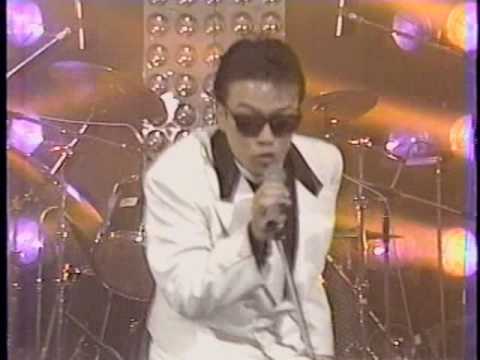
It’s a hit song that won the Grand Prix at Yamaha’s Popcon and also took the Grand Prix at the World Popular Song Festival.
The lyrics are a self-deprecating take from a rock ’n’ roller left behind by the “tsuppari” (delinquent) boom.
The band’s leader, Ani Takahara, has in recent years become known for producing songs related to the variety show “Quiz! Hexagon II.”
Girl ANakamori Akina

Seiko Matsuda followed the lineage of “The Idol” typified by Candies and Pink Lady, while Akina Nakamori carried on the line of Momoe Yamaguchi’s cool, mature style.
Back then, the slightly mischievous older kids seemed overwhelmingly to favor Akina Nakamori.
Her coolness really shone in one of her early big hits, “Shōjo A” — an absolute classic! Using the term “Shōjo A,” which implies a minor, as the title of an idol song was groundbreaking at the time.
Be sure to pay attention to Akina’s vocals, which perfectly showcase the allure of her lower register!
Bring it onKishidan

This song weaves a title that means picking a fight with anyone into themes of a woman’s love life and way of living.
It’s a declaration of resolve from a woman who can only live straight and true—awkward but sincere—and it portrays the coolness of risking everything to stake your claim in a once-in-a-lifetime life.
Shonan GraffitiMomotarō

Momotaro made his debut as a member of Kureiiso, the junior group of Yokohama Ginbae.
He handled drums and vocals.
This song was used for Yosuke Eguchi’s first starring film, Shonan Bakusozoku, and is included on the soundtrack.
Momotaro’s voice is powerful, and it feels like it would suit anime theme songs as well.
Since 2010, he has resumed activities under the name Kurei with former Kureiiso members Mits and Leer, so be sure to check that out too.

Yankee songs. A collection of tough/delinquent/rowdy tracks (41–50)
Rock ‘n’ Roll Love Fortune-tellingreisa
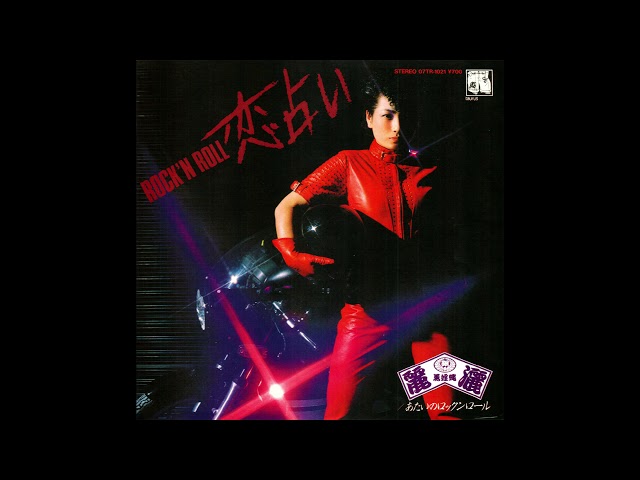
This is a song by Reisa, a singer who debuted as the “kid sister” act to Yokohama Ginbae, the quintessential Showa-era tsuppari rock band.
Released as her debut single in 1982, it’s a cute track that highlights a distinctly feminine charm, breezily singing about a yankee girl in love.
The sound is pure rock ’n’ roll—irresistibly feel-good! It’s a number that inevitably brings back memories of those good old days.
Young listeners, be sure to give it a try!

SCHOOL OUTBOØWY

Here is the first album by the rock band BOØWY.
Both the sound and the songs are quite different from BOØWY at their peak, which is fascinating.
It’s said that when they debuted, their agency suggested the name “Gunma Bōi” (meaning “Gunma Violence”), so they might have had a delinquent-band image.
Incidentally, Kyosuke Himuro wrote the lyrics for this song, but after receiving a letter from someone who said they related to the song and dropped out of school because of it, he realized the impact he could have on people’s lives and supposedly stopped writing lyrics thereafter.