

[For 2nd Graders] Make it with everyday materials! Irresistibly engaging ideas for independent research projects


For summer vacation independent study projects, especially for second graders, it’s common to wonder, “What should I do?” Here, we introduce craft and experiment ideas you can enjoy with excitement using familiar materials.
From mysterious color-changing experiments to a diorama packed with ocean memories and a sparkling hourglass, there are plenty of activities that both boys and girls will enjoy.
Be sure to find a wonderful independent study project to go along with your summer vacation memories!
- [Summer Vacation Crafts for Lower Grades] Make It with Everyday Materials! Simple Yet Awesome Craft Ideas
- DIY science projects that elementary school boys will love: ideas you can make with everyday materials
- Recommended for elementary school students! Science fair topics & craft ideas
- Craft ideas using plastic bottle caps [for boys]
- [Summer Vacation Crafts] Stylish Ideas for Girls
- Simple and cute summer project crafts! A collection of ideas for girls that will make you want to create
- Elementary School Students: Simple One-Day Science Project and Craft Ideas
- [Milk Carton Crafts] Fun ideas for elementary school kids. Perfect for summer vacation homework!
- Simple yet amazing crafts: craft ideas that elementary school students will want to make
- You can make them with cardboard! Cool katanas & swords
- For summer vacation homework! Simple and amazing crafts for elementary school students that you’ll want to make after seeing them
- Easy! Costume ideas made with colored plastic bags
- Recommended for elementary school kids! A collection of fun craft ideas for 2nd graders
[For 2nd Graders] Make It with Everyday Materials! Irresistible Independent Research Ideas (21–30)
Torokira Keychain
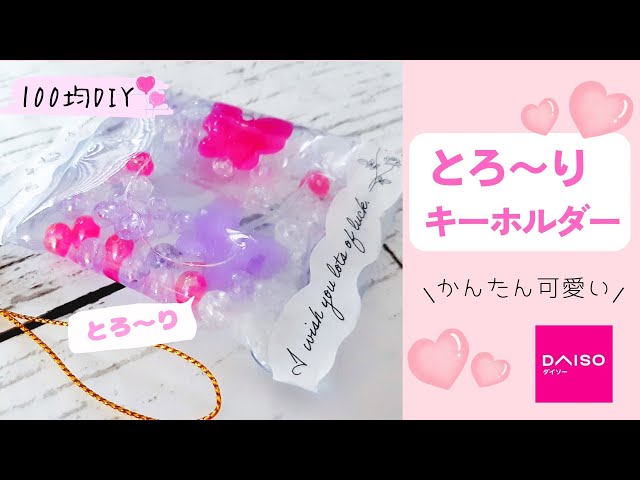
Do you know those cute accessories with a little doll floating in a tiny plastic bag? You often see them as prizes at festival raffles, but actually, you can make them yourself.
You only need items mostly from a 100-yen shop—like a soft card holder, beads and glitter, liquid laundry starch, and masking tape—so it’s a budget-friendly craft project.
Add cutouts of your favorite character or idol to the decorations, and it instantly becomes merch for your fave! You’ll want to make them for everyone!
Transparent cute coaster

Summer is supposed to be hot, but don’t you feel like the summers lately are getting hotter every year? When it’s hot, we crave cold drinks—so why not make coasters to brighten up your drink time and turn it into a summer science project? You’ll be using two-part resin and other chemicals, so be sure to have an adult or an older sibling help you when handling them.
Aside from working with the chemicals, it’s basically just decorating coasters, so even small children can join in! We’re looking forward to seeing your cool, refreshing coasters!
Specimen preparation

A great science project for kids who love insects is making specimen displays! Creating specimens can seem a bit challenging, but it’s sure to become a special summer vacation memory.
Some steps are tough for children to do alone, so it’s perfect for a parent–child challenge.
The key is to first collect insects in good condition.
Next, to shape them properly, soak the insects in hot water to soften them.
After soaking for about 30 minutes, arrange the shape, pin them to a base with dressmaker’s pins, and let them dry—that’s it! They’ll make a fine specimen as is, but if you encase them in resin, it will look even more professional.
Choose the method that suits your child’s age and give it a try!

Fizzy Ramune Experiment

Why not try making fizzy ramune tablets for your summer break science project and enjoy their colors and sounds when dropped into water? After thoroughly mixing ingredients like powdered sugar, cornstarch, and food-grade citric acid, add food coloring to make them visually fun.
Press the mixed dough with two spoons to shape it just right.
Let them dry for about half a day to finish the ramune.
When eaten, they fizz in your mouth, letting you experience the curious chemical reaction of carbonation.
It’s a safe project even for children, using the carbon dioxide produced by the reaction between lemon juice’s acid and baking soda.
You can boost originality by changing the colors and flavors.
It’s a great idea for learning chemistry with familiar materials.

Butter Even Elementary School Students Can Make
@nonno.chan I recreated a summer vacation science project I made a long time ago: homemade butter!#Summer VacationIndependent Research#HandmadeButterHomework#tiktoksummerbreak#meijiMeiji Delicious Fresh Cream
♬ 3 minutes cooking style pop / cooking / sweets(957554) – ArcTracks
Here’s a summer vacation science project idea for making authentic butter at home using heavy cream, salt, and a plastic bottle.
Put heavy cream and a pinch of salt into a plastic bottle, close the cap tightly, and shake it vigorously.
After shaking for a while, the contents will separate into liquid and solids.
This is the sign that butter and buttermilk have separated.
Pour off the liquid, cut the bottle open with scissors, and take out the contents—the butter is ready.
Spread it on bread to enjoy a special flavor that really lets you feel you made it yourself.
Watching the cream change teaches about dairy processing and fat separation.
The hands-on, energetic shaking is fun and gives a sense of accomplishment, making this a great idea for elementary school students.
Milk Carton Rolling Tower
@silk_haru3mama [Summer Vacation Craft/Independent Study] I made a rolling ball tower out of a milk carton 🌻#Summer VacationSummer Vacation Independent ResearchSummer Vacation Crafttranslation#HandmadeToysworkIndependent ResearchScrap Material CraftingSimple craft#AtHomePlay#craft
♬ Electro Swing Jazz – Retro, strange, mysterious(1137053) – Ponetto
Let’s reuse empty milk cartons to make a fun rolling tower where a ping-pong ball tumbles down! Cut the milk cartons and connect two of them to create a long cylindrical base.
Make holes and slits in paper plates, attach them in a stepped arrangement, and adjust the angles so the ball rolls smoothly through.
Add slits to the side of the cylinder so the ball won’t stop midway and will drop all the way to the bottom.
If you wrap the whole thing with a tube-shaped cover made from a clear file, the ball won’t fly out and it’s safer to play with.
A bonus is that kids can learn about gravity and incline through the speed of the rolling ball and the fun sounds it makes.
It’s an eco-friendly idea that uses recycled materials to create a moving, interactive project.
A piggy bank that helps you save while having fun

Let’s use Daiso’s 3-tier drawer case to make a fun, game-like piggy bank over summer break.
First, flip the second and third drawers upside down and reassemble them so the flat sides face the front.
Next, cut corrugated plastic (plastic cardboard) into any shapes you like and attach it to the outside of the drawers to create a design that looks great.
Inside, apply double-sided tape so coins pause partway and drop slowly as they travel down.
With a piggy bank you made yourself, saving money becomes fun and easier to turn into a habit.
It’s a unique, practical idea that can change your everyday life through creativity and ingenuity.