
Masterpieces in 3/4 Time: That Hit Song Too!? A Curated Selection of Popular Japanese and Western Tracks


When you think of hit songs in triple meter, what kind of tracks come to mind?
Triple meter is known as the waltz rhythm and is popular in classical music; it’s also commonly used in other genres, especially in Western music.
Interestingly, it’s often said that Japanese listeners are not as comfortable with triple meter, so it doesn’t appear much in J-pop hits.
In this article, we’ve selected songs in triple meter from Japanese and Western pop and rock.
From timeless favorites to lesser-known hidden gems, we’ve got a wide-ranging playlist for you!
- The Appeal of Irregular Time Signatures: A Collection of Songs in 5/4 Time
- Standard songs for ballroom dancing. Popular and well-known tracks.
- Coming-of-age songs for your 50s: heart-thumping × heartwarming classics and popular tracks [2026]
- [Gets you grooving] Upbeat Japanese songs. Tracks that make you feel happy.
- [For Seniors] Have Fun and Relieve Stress! Introducing Dances Everyone Can Enjoy Together
- The Appeal of Odd Time Signatures: A Compilation of Songs That Use 7/4 Time
- Ranking of Popular Children's Songs [2026]
- Kids will love it! A collection of dance song ideas with easy-to-follow rhythms
- [April 2026] Trending songs: A roundup of the hottest, viral tracks right now
- [Rhythm] A roundup of popular Japanese songs that use 16-beat [2026]
- [Spring Songs Recommended for People in Their 30s] Carefully Selected Nostalgic Classics & Big Hits
- [Classic and Contemporary Hits] Emotionally Stirring, Heart-Touching Songs
- [Easy to Remember] A Collection of Cool Dances Recommended for Girls
Masterpieces in 3/4 Time: That Hit Song Too!? A Curated Selection of Popular Japanese and Western Tracks (41–50)
Moon RiverHenry Mancini
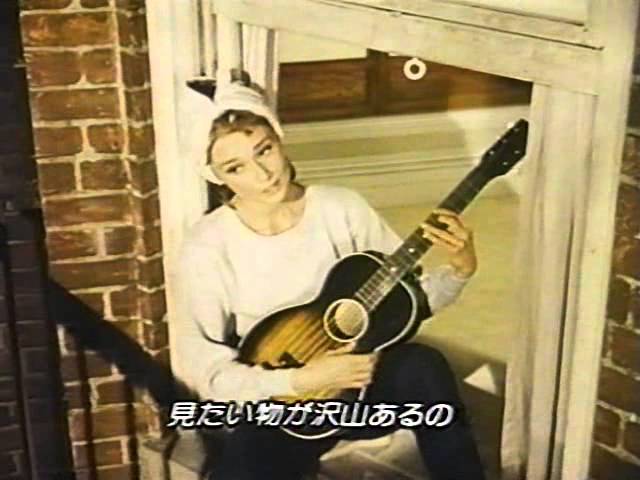
Every time you hear “Moon River,” many who have seen the 1961 film Breakfast at Tiffany’s will surely recall that unforgettable scene where the great actress Audrey Hepburn sings and plays the guitar.
Composed by the master of film music, Henry Mancini, “Moon River” is also famous as an instrumental piece and is a timeless masterpiece in 3/4 time that almost everyone has heard at least once.
Its gently lilting waltz rhythm and wistful melody evoke a sense of nostalgia.
As a standard immortalized in music history, it has been covered by many singers; among the most famous is the version released in 1962 by America’s celebrated pop vocalist Andy Williams, which became a major hit.
That said, it’s said that Mancini himself considered Hepburn’s rendition to be the definitive “Moon River.”

Army DreamersKate Bush

Kate Bush is a singer from England known for her distinctive, whisper-like voice.
Her song “Army Dreamers” notably emphasizes a waltz-like 3/4 rhythm on acoustic guitar, and combined with its folk-tinged timbre, it creates a wonderfully dreamlike atmosphere.
The title “Army Dreamers” can be understood in Japanese as “Yumemiru Heishi” (a soldier who dreams), and the song truly draws you into a world that feels like a dream.
The music video is also very compelling—be sure to check it out!

I’m In Love With My CarQueen
This track from Queen’s fourth album, A Night at the Opera, released in 1975, is one of the band’s rarities: it was written by drummer Roger Taylor, who also takes the lead vocals.
The song, which is about his love for cars, features superbly heavy, waltz-time drumming, and it’s a cool piece that conveys the feeling of a beloved car tearing along as if hugging the ground.

Manic DepressioJimi Hendrix

It’s a classic that shows how even a song driven by hard guitar riffs can create a unique groove by incorporating a 3/4 time signature! It’s included on the debut album Are You Experienced?, released in 1967 under the Jimi Hendrix Experience by Jimi Hendrix—“Jimi Hen,” rock’s greatest guitarist and an innovative player.
Not only is the guitar playing wildly and freely, but the groove created by Mitch Mitchell’s jazz-influenced drumming and Noel Redding’s constantly moving bass is incredibly cool.
Looking at the track as a whole, you can’t overlook its influence on later hard rock.
Be sure to check out the cover versions by many artists, including Jeff Beck!
Chim Chim ChereeJohn Coltrane
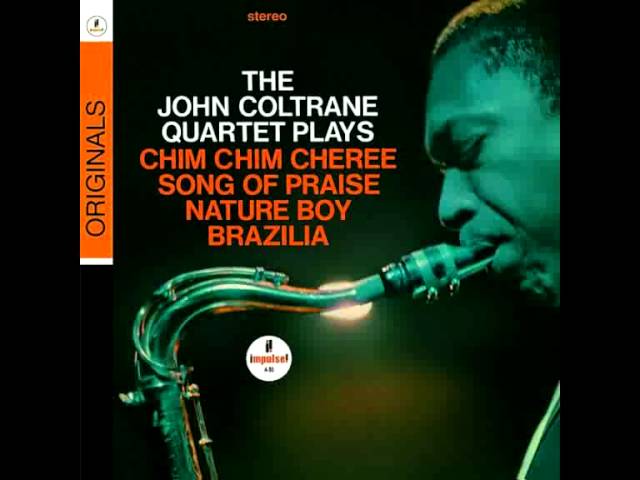
“Chim Chim Cher-ee” is one of the songs from the musical Mary Poppins.
In Japan, it was broadcast on NHK’s Minna no Uta and covered by artists such as Peggy Hayama, so many people may be familiar with it.
This version is included on the 1965 album The John Coltrane Quartet Plays—aptly named—recorded by jazz saxophonist John Coltrane with his own quartet.
Coltrane, who left an immeasurable legacy as a jazz musician and saxophonist, unleashes his signature, buoyantly floating solo style to full effect on this track as well.

ProvidenceLUNA SEA

Since their formation in 1989, LUNA SEA not only established the foundational style of the so-called ’90s visual kei, but also set one legend after another that other bands couldn’t achieve, continuing to influence those who followed.
Although they declared an end and went on hiatus in 2000, they fully resumed activity in 2010 and have continued to update their legend with an unchanging lineup.
Among their early songs, Providence—composed by SUGIZO and renowned for its striking violin introduction—is a 3/4-time masterpiece that is almost always performed live.
Even just looking at their ability to perfectly integrate a waltz rhythm like this into their own sonic world, you can sense the extraordinary potential that LUNA SEA possesses as a band.
This is a personal note, but it’s no exaggeration to say that LUNA SEA taught me the greatness of songs in triple meter.
Flowers in waterNakamori Akina

Akina Nakamori’s “Mizu ni Sashita Hana” features a striking piano accompaniment with an emphasis on the lower register.
The feel of this piece closely resembles the piano accompaniment in Beethoven’s Piano Sonata No.
14 “Moonlight,” first movement.
While the latter is in 4/4 time and uses triplets, the former is in triple meter; yet both share the idea that “three notes form a single phrase.” Since the first movement of Beethoven’s “Moonlight” Sonata is especially well-known in Japan, the accompaniment of “Mizu ni Sashita Hana” also feels familiar to many listeners.