
Masterpieces in 3/4 Time: That Hit Song Too!? A Curated Selection of Popular Japanese and Western Tracks


When you think of hit songs in triple meter, what kind of tracks come to mind?
Triple meter is known as the waltz rhythm and is popular in classical music; it’s also commonly used in other genres, especially in Western music.
Interestingly, it’s often said that Japanese listeners are not as comfortable with triple meter, so it doesn’t appear much in J-pop hits.
In this article, we’ve selected songs in triple meter from Japanese and Western pop and rock.
From timeless favorites to lesser-known hidden gems, we’ve got a wide-ranging playlist for you!
- The Appeal of Irregular Time Signatures: A Collection of Songs in 5/4 Time
- Standard songs for ballroom dancing. Popular and well-known tracks.
- Coming-of-age songs for your 50s: heart-thumping × heartwarming classics and popular tracks [2026]
- [Gets you grooving] Upbeat Japanese songs. Tracks that make you feel happy.
- [For Seniors] Have Fun and Relieve Stress! Introducing Dances Everyone Can Enjoy Together
- The Appeal of Odd Time Signatures: A Compilation of Songs That Use 7/4 Time
- Ranking of Popular Children's Songs [2026]
- Kids will love it! A collection of dance song ideas with easy-to-follow rhythms
- [April 2026] Trending songs: A roundup of the hottest, viral tracks right now
- [Rhythm] A roundup of popular Japanese songs that use 16-beat [2026]
- [Spring Songs Recommended for People in Their 30s] Carefully Selected Nostalgic Classics & Big Hits
- [Classic and Contemporary Hits] Emotionally Stirring, Heart-Touching Songs
- [Easy to Remember] A Collection of Cool Dances Recommended for Girls
Masterpieces in 3/4 Time: That Hit Song Too!? A Curated Selection of Popular Japanese and Western Tracks (41–50)
For youTHE BLUE HEARTS

THE BLUE HEARTS’ ‘Kimi no Tame’ is captivating for its simple guitar, bass, and drums paired with straightforward, lyric-driven vocals, creating a passionate song that stirs the emotions.
Despite the intense vocals, doesn’t the track somehow feel nostalgic? A waltz-like 3/4 rhythm is very similar to a heartbeat and is said to instinctively evoke a sense of comfort.
That might be why this song feels so nostalgic!

Masterpieces in Triple Meter: That Hit Song Too!? A Curated Selection of Popular Japanese and Western Tracks (51–60)
ShiverColdplay

Coldplay is a British band known for hit songs like “Fix You,” “Viva La Vida,” and “Yellow.” Their song “Shiver,” included on their debut album Parachutes, is set in triple meter.
The song seems to elevate the mysterious atmosphere created by vocalist Chris Martin’s beautiful falsetto even further through its 3/4 time.
Although it features a simple arrangement of vocals, guitar, bass, and drums, it offers a floating, ambient-like sensation.
A Midsummer Day’s DreamOhtaki Eiichi

“A Midsummer Daydream” is a love song with a waltz-like feel that highlights a triple meter.
It’s a track by Eiichi Ohtaki—vocalist and guitarist of Happy End, pioneers of Japanese rock.
While celebrating the sweetness of love, the song also carries a hint of melancholy, making full use of the dreamy qualities inherent in 3/4 time.
His falsetto-heavy singing style is so soothing that, as you listen, it practically lulls you to sleep!
SiestaKEYTALK

KEYTALK is a four-piece rock band that has gained popularity for impactful songs featuring key changes woven into a sense of brisk momentum.
“Siesta,” included on their second full-length album OVERTONE, is a track they intentionally crafted with an eye toward stepping away from what’s typically considered the band’s signature style.
The driving ensemble features a waltz-time melody that’s intricate yet catchy.
It’s a pop tune that blends buoyancy with exhilaration, revealing both the core and the depth of KEYTALK as a band.

The Toilet GodUemura Kana

Toire no Kamisama (The Toilet God), based on a true story about Kana Uemura and her grandmother.
Over the course of this ten-minute song, it depicts the memories shared between Kana from third grade through age 23 and her grandmother.
The gentle, soothing melody is set in a triple meter, and that three-beat rhythm warmly and tenderly colors the heartwarming exchanges between the two about the “toilet god.” Even if the lyrics don’t match your own experiences at all, listening to the song makes you feel as if your own memories with your grandmother are coming back.
The story closes with Kana expressing gratitude to the grandmother who taught her that by keeping the toilet clean, you can make yourself clean as well.

El HombrePat Martino
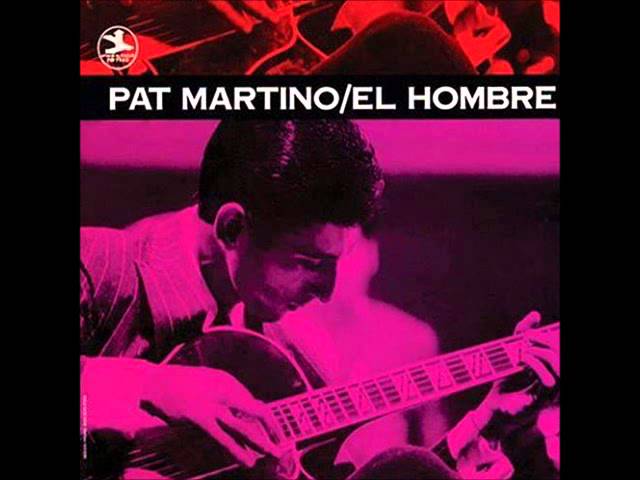
This is the title track from American jazz guitarist Pat Martino’s debut album, released in 1967.
Pat Martino is a master guitarist who has been active since the 1950s and is highly respected by professional musicians still performing today.
One of the great appeals of jazz is ad-libbing—improvisation—and Martino developed his own unique improvisational theory known as “minor conversion.” There are many approaches to improvisation, but if you ever feel stuck, it might be worth giving this one a try.

(You Make Me Feel Like) A Natural WomanAretha Franklin

Also known in Japan by the title “Natural Woman,” this 3/4-time masterpiece is a love song whose truly “natural” beauty, just like the title says, brings tears to your eyes.
Released as a single in 1967 by the world’s most famous and greatest soul singer, Aretha Franklin, this classic—one of her signature songs—has been covered by many artists and continues to be cherished across generations.
The song was written by the formerly married songwriting duo Carole King and Gerry Goffin, and King included a self-cover on her landmark 1971 solo album Tapestry.
The version Aretha performed to honor King at the 2015 Kennedy Center Honors, which we featured in this article, is such an outstanding performance—please be sure to watch it!
