

[Childcare] A collection of recommended melodica (pianica) songs for 4-year-olds

Many preschools start working with the melodica (keyboard harmonica) from around age four.
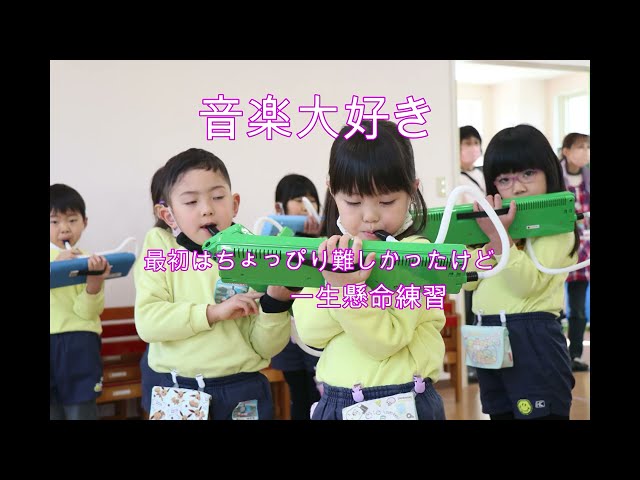
Pressing the keys with their fingers and blowing to make sound is a fresh experience for four-year-olds, and they get excited about this new adventure.
On the other hand, if it feels too hard or they can’t do it well, children may stop enjoying the activity.
So this time, we’ve gathered lots of melodica pieces that four-year-olds can enjoy practicing.
It’s great when they can play many favorite songs and grow their repertoire.
- Recommended Songs to Try on the Melodica for Kindergarten Seniors
- Choral songs that captivate 4-year-olds! A collection of heartfelt song ideas for junior kindergarten recitals
- [Childcare] A collection of recommended melodica (pianica) songs for 4-year-olds
- Ensemble Performances by Older Kindergarteners Heat Up! A Collection of Recommended Song Ideas for Recitals
- [Preschool] Recommended choral pieces for 3-year-olds
- [For 4-year-olds] Popular and classic songs to sing at recitals and seasonal events
- [For 4-year-olds] Recommended pieces for a piano recital!
- I want to sing it at the senior class recital! A choral piece that 5-year-olds can sing with all their heart
- [Piano Recital for 5-Year-Olds] Play Disney’s Beloved Classics! A Curated Selection of Recommended Pieces
- [For 3-year-olds] Songs to sing at nursery schools and kindergartens! Popular and recommended songs
- [Childcare] I want to have fun with the kids! Simple songs for handbells
- [Age 4] Fun for grown-ups too! A roundup of anime for four-year-olds
- For 4-year-olds (middle preschool)! Performances such as plays and songs for recitals and school shows
[Childcare] Recommended Pianica Songs for 4-Year-Olds (1–10)
Buzz buzz buzzSakushi: Murano Shirou / Sakkyoku: Bohemia min’yō

Known as a classic children’s song, this piece is an adorable tune that depicts a bee buzzing around a wild rose.
With its simple, easy-to-remember melody and lyrics, it sparks children’s imaginations.
Through the image of a wild rose heralding the arrival of spring and bees flying about it, one can feel the beauty of nature and the rhythms of life.
Since its release in Japan in 1947, this song has been loved for many years.
It’s a wonderful choice for four-year-olds too, letting them enjoy taking on the keyboard harmonica while sensing the changing seasons and the workings of nature.
Song of the FrogsSakushi: Okamoto Toshiaki / Sakkyoku: Doitsu kyoku

“The Frog Song” is a classic practice piece for the pianica.
Since it contains many passages where the notes move up and down stepwise, it’s perfect for practicing playing while paying attention to finger numbers once students have learned them.
When repeating the same note on the pianica, it’s best to keep the finger on the key and shape the expression with your breath.
Once children get used to playing it solo, it’s also fun to try a round: divide into groups and have each group enter the melody at equal intervals, chasing one another.
It’s ideal for practicing basic finger movements and breath control, so be sure to incorporate it.
Jingle Bellssakushi, sakkyoku: jēmuzu rōdo piaponto

Jingle Bells, a song that celebrates the joys of winter, is popular among children.
It depicts dashing through the snow in a sleigh and vividly conveys a sense of excitement.
First published in 1857, the piece has been covered by many artists and sung in various languages.
With its bright, cheerful rhythm, it’s great for playing on a melodica or dancing while ringing bells.
It’s also a perfect song to perform at a Christmas party event!
[Childcare] Recommended Pianica Songs for 4-Year-Olds (11–20)
Playing bus (pretend bus play)Sakushi: Kayama Yoshiko / Sakkyoku: Yuyama Akira

The song “Bus Make-Believe,” which is especially familiar to kids who love vehicles or ride the bus to and from school, is also popular as a hand-play song.
Many children have probably heard it before, so practice can start smoothly.
This piece includes a section that uses the black keys (the black notes).
It’s a great choice when you want to teach children who are getting used to the melodica about sharps and flats.
The tempo and finger movements are a bit complex, so encourage patient, repeated practice to master it.
When the Saints Go Marching In

Many people have heard the song “When the Saints Go Marching In” somewhere.
Today it’s beloved as a jazz standard, but it originally came from an African American spiritual and was used in post-burial parades to celebrate a loved one’s journey to heaven.
With its catchy, lively rhythm and cheerful melody, the piece can be played using just the notes up to sol (do-re-mi-fa-sol), making it perfect for children to practice on the melodica.
By paying attention to contrasts—where to hold notes and where to rest—you can bring out the song’s character even more.
Give it a try!
Twinkle, Twinkle, Little Starsakushi: Takeshika Etsuko / sakkyoku: Furansu min’yō

Twinkle, Twinkle, Little Star, sung around the world in many languages, is a nursery rhyme everyone has heard at least once.
Since children are already familiar with the melody, they can start practicing smoothly.
The rhythm is slow and the scale is simple and easy to remember, so it’s also great for practicing finger movements by moving all five fingers in order.
It’s a perfect piece for children who are just starting on the melodica.
It’s also recommended for group performances at events like Tanabata or Christmas.
If you’re happy and you know it, clap your handsSakamoto Kyu
“If You’re Happy and You Know It” is a song you can enjoy by clapping your hands, stomping your feet, and expressing the concept of “happiness” through body language as you sing.
Its bright, positive feel is appealing, and it’s loved around the world across differences in race, language, and culture.
It’s definitely a song we’d like children to know.
As a practice piece for the melodica, it’s relatively challenging, so start by singing it with solfège and make sure to memorize the score well.
With steady practice, once they can play it, children are sure to experience a sense of confidence and achievement.