

[Oldies] A collection of nostalgic hit songs from Western music of the 1950s


When you hear “Western music from the 1950s,” what kind of songs come to mind?
Hits from the 1950s and 1960s are sometimes called “oldies,” and perhaps because their retro vibe feels stylish, you’ll often hear them as in-store BGM at cafes and vintage clothing shops.
That said, since it’s music from 70 years ago, you might think it has nothing to do with you… For those who feel that way, this article rounds up and introduces classic 1950s Western songs across genres—rock, soul, blues, and more.
You’ll definitely come across some tunes you’ve heard before, so be sure to check them out!
- Back to those nostalgic days… Classic and hit Western songs of the 1960s
- [2026] Recommended for people in their 50s! A roundup of classic Western hits that always get the crowd going
- Top Western Music Rankings Popular with People in Their 60s (By Generation)
- Explore the innovative sounds and iconic songs that shaped the history of 60s bands
- Great Western rock classics and hit songs of the '60s
- [Nostalgic Collection] Classic oldies masterpieces. Recommended popular songs
- Recommended youth songs for people in their 80s: A collection of nostalgic classics
- Nostalgic Japanese hit songs from the 1960s. A collection of popular Showa-era classic melodies.
- Recommended Western music for men in their 60s: world classics and popular songs
- Recommended Summer Songs for People in Their 70s: A Collection of Nostalgic Summer Tunes [2026]
- Nostalgic Days of Youth: A Collection of Western Music Recommended for Men in Their 70s [2026]
- Youth-themed Western music. World classics and recommended popular songs.
- [1960s–80s] Nostalgic! A roundup of retro Western songs recommended for weddings
[Oldies] A Collection of Classic Western Hits from the Nostalgic 1950s (1–10)
Only You, And You AloneTHE PLATTERS

A gem of a love song whose melody gently cradles sweet feelings of romance and whose warm harmonies resonate in the heart.
Released by the American group The Platters in July 1955, it spent seven consecutive weeks at No.
1 on the R&B chart and became a massive hit, selling over two million copies worldwide.
Tony Williams’s deeply expressive lead vocals blend beautifully with the group’s sophisticated choral work, gracefully conveying a vow of eternal love.
Their memorable performance scene in the 1956 film “Rock Around the Clock” captivated many audiences.
It’s the perfect track for a quiet evening with someone special or as a companion to a romantic dinner.
Summertime BluesEddie Cochran
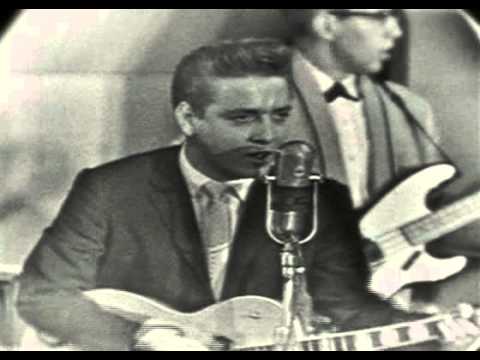
When it comes to quintessential rock ’n’ roll classics of the 1950s, many people probably think of the coming-of-age anthem released in June 1958 by American musician Eddie Cochran.
Portraying the frustrations of a teenager stuck working a summer job with a breezy rhythm and plenty of humor, the song became a major hit, reaching No.
8 on the Billboard Hot 100 and No.
18 on the UK Singles Chart.
It was later covered by numerous artists, including Blue Cheer and The Who, and featured in films such as Caddyshack and La Bamba.
Its lyrics, which refreshingly distill youthful rebellion and dissatisfaction with society, carry a universal message that anyone can relate to, and it’s the kind of tune that would sound right at home as background music in a café or vintage clothing shop.
Whole Lotta Shakin’ Goin’ OnJERRY LEE LEWIS

Jerry Lee Lewis’s 1957 release “Whole Lotta Shakin’ Goin’ On” is truly a rockabilly landmark.
As a striking emblem of the dawn of rock ’n’ roll, the song stunned the youth of its day.
Lewis’s powerful, unconventional piano and passionate vocals continue to be adored by music fans to this day.
Not only did it light up the charts at the time, it has been covered by countless artists over the years, and you can still often hear it as background music in cafés and fashion boutiques.
Even more than 60 years later, the song brims with youthful energy, whisking listeners back to the vibrancy of their younger days.
[Oldies] A Collection of Nostalgic 1950s Western Music Classics (11–20)
Please, Please, PleaseJames Brown

James Brown, known by the moniker “the Godfather of Funk,” lit up the music scene of the nostalgic 1950s.
His debut single, “Please, Please, Please,” released in 1956, continues to captivate music lovers as a defining work that helped propel soul music forward.
Its emotive lyrics and his vocals, which convey searing emotion with unflinching directness, are nothing short of breathtaking.
This one track foreshadows the breadth of his musical styles, and even today it offers a fresh and dynamic listening experience.
It’s the kind of timeless song that makes you stop in your tracks when it’s playing in a café or a shop.
Bo DiddleyBo Diddley
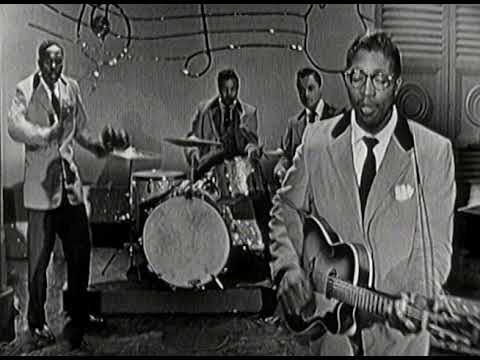
A track that elevates the melody of a traditional lullaby into a completely new form of rock ’n’ roll.
Released in April 1955, the debut single by American rock titan Bo Diddley captivated music fans worldwide with its distinctive rhythmic pattern later known as the “Bo Diddley beat.” It topped the Billboard R&B chart for two consecutive weeks and left a major mark on rock history.
While inheriting the musical legacy of African Americans, this ambitious work brims with powerful self-assertion and identity.
Its thunderous electric guitar sound and inventive rhythm perfectly embody the innovation of rock ’n’ roll’s dawn.
An ideal pick for times you want to amp up the energy—like on a drive or at a party.
I Put a Spell on YouScreaming Jay Hawkins

Released in 1956, Screamin’ Jay Hawkins’s “I Put a Spell on You” is a landmark song that has earned a place in the Rock and Roll Hall of Fame.
Although it was originally intended to be a polished ballad, an oft-told anecdote about the recording session explains how it took a completely different direction—something that became central to its unique character.
Despite controversy within the African American community, the song has been covered by numerous artists, each bringing fresh life through their own interpretations.
Nina Simone’s powerful cover, infused with jazz elements, is particularly noteworthy, yet the raw passion and vitality of the original continue to captivate listeners to this day.
Let’s Have a PartyWanda Jackson

“Let’s Have a Party,” written by Jessie Mae Robinson in 1957 and also recorded by Elvis Presley, was reborn through Wanda Jackson’s voice, adding a new chapter to rock ’n’ roll history.
Known for her powerful singing style, Wanda Jackson was hailed as the Queen of Rockabilly and influenced many young people.
Her recording of this song gave 1950s Western pop music a fresh sparkle, and it’s still beloved today as nostalgic cafe and in-store background music.
This perfect party number is sure to excite listeners of all ages!